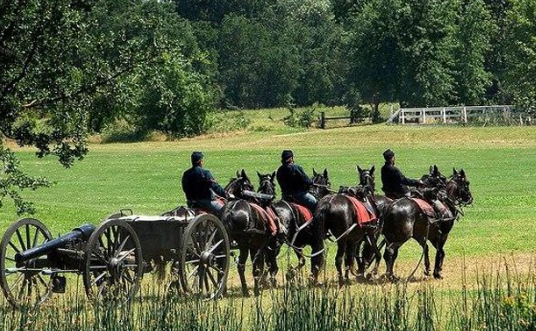
Draft horses have played a significant role in agricultural and military history, and their importance is creatively rekindled in historical reenactments. These massive, gentle giants not only add authenticity to events but also engage audiences by providing a living connection to the past. In this blog post, we will explore the use of draft horses in historical reenactments, highlighting their historical significance, training requirements, and their impact on events today.
1. Historical Significance of Draft Horses
Draft horses have been used for centuries, primarily for heavy labor in agriculture and transport. Breeds such as the Clydesdale, Percheron, and Belgian have historically played crucial roles, pulling plows, wagons, and artillery during conflicts. In reenactments, participants often showcase these roles, allowing audiences to visualize the enormity of what these horses contributed to both agricultural and military efforts.
During events, reenactors wearing period-appropriate gear might showcase how these horses were used for everyday tasks, like plowing fields or hauling goods. This aged connection resonates with audiences, who can appreciate the immense strength and stamina of these animals. Additionally, depicting the relationship between humans and horses throughout history highlights cultural values, work ethic, and community bonding styles in various periods.
-
- Research the specific draft horse breed to understand its historical roles.
-
- Incorporate period-appropriate harnesses and equipment for authenticity.
-
- Showcase the horse’s capabilities during events, emphasizing historical tasks.
-
- Encourage audience interaction by allowing them to pet or feed the horses.
2. Training Requirements for Draft Horses in Reenactments
Preparing draft horses for historical reenactments is no small feat. Proper training ensures that these animals are well-behaved, responsive, and safe around both participants and spectators. Training often starts with basic groundwork, advancing into more specialized skills per the tasks they will perform during events.
A well-trained draft horse must be accustomed to the sights and sounds of historical events, including rifle fire, banners, and large crowds. Consistent practice sessions, socialization, and desensitization to various stimuli are key. Special attention should be paid to loading, harnessing, and driving techniques to ensure the horse is comfortable and adept at performing in a reenactment scenario.
-
- Start training with basic commands and gradually introduce distractions.
-
- Utilize experienced trainers familiar with draft horses.
-
- Schedule regular practice sessions for horses and their handlers.
-
- Incorporate historical equipment during training to prevent surprises.
3. Enhancing Event Experience with Draft Horses
Draft horses enrich historical reenactments by providing a tangible representation of the past. Their presence can facilitate interactive educational opportunities, making history more relatable. Event organizers often incorporate these majestic animals into presentations to emphasize their roles in wars, economies, and communities.
To maximize the impact of draft horses during events, consider creating activities around them. This could include sessions where attendees learn to groom the horse, understand its nutritional needs, or discover the types of work these giants performed historically. This hands-on approach encourages deeper appreciation and understanding of the bond between humans and draft horses.
-
- Create interactive experiences for attendees centered on the horses.
-
- Include storytelling sessions explaining the horse’s role in history.
-
- Encourage participant engagement through educational workshops.
-
- Utilize horses for demonstrations of period agricultural practices.
4. Challenges and Considerations in Using Draft Horses
While integrating draft horses into historical reenactments can be rewarding, it is not without challenges. Managing the well-being and safety of the horses and the participants is essential. Horses can become stressed due to large crowds and loud noises, requiring proper precautions to ensure everyone’s enjoyment and safety during events.
Furthermore, understanding the physical needs of the horses is crucial. Draft horses require adequate breaks, access to fresh water, and nutritional provisions during engagements. Being attentive to these needs not only promotes the animal’s welfare but also fosters a positive atmosphere where all participants can enjoy the experience.
-
- Assess the venue for potential hazards that may affect the horses.
-
- Establish a care schedule that includes breaks and feeding times.
-
- Have experienced handlers ready to intervene if horses appear stressed.
-
- Educate audiences on horse care and signs of discomfort.
In conclusion, the use of draft horses in historical reenactments offers a unique opportunity to explore and connect with the past. By understanding their historical significance, meeting training requirements, enhancing event experiences, and addressing challenges, reenactors and organizers can create memorable experiences for attendees. If you’re considering incorporating draft horses in your next event, it’s essential to consult with experts in horse training and care to ensure everything goes smoothly.