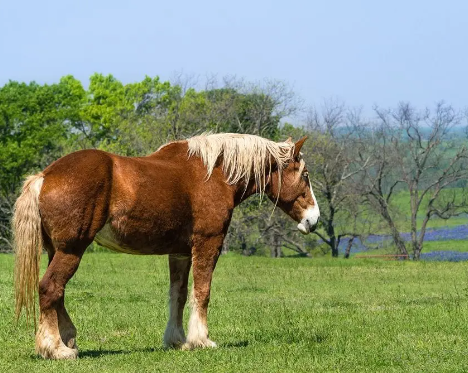
When it comes to caring for draft horses, specifically large breeds, there are unique veterinary considerations that must be taken into account. Their size and physical demands create different challenges compared to smaller horse breeds, necessitating specialized care and attention.
1. Nutritional Needs for Large Draft Horses
Draft horses require a balanced diet tailored to meet their size and workload. Their energy needs are significantly higher than those of lighter breeds, especially if they are used for work or competition. It’s crucial to provide the right mix of carbohydrates, proteins, and essential vitamins and minerals to avoid issues like obesity or laminitis, which are common in heavier breeds.
Quality hay should form the basis of their diet, supplemented with grains and pelleted feed if necessary. Additionally, ensure they have unlimited access to fresh water and make adjustments to their diet based on activity level and body condition throughout the year.
-
- Monitor their weight regularly to avoid obesity.
-
- Introduce any dietary changes gradually to prevent digestive upset.
-
- Consult a nutritionist for specialized feeding programs.
-
- Incorporate forage with high fiber content to support digestion.
2. Joint and Hoof Care for Draft Breeds
The weight and height of draft horses put substantial stress on their joints and hooves. Regular hoof care is essential to prevent lameness and other orthopedic issues. Farrier visits should be scheduled every 6 to 8 weeks to properly address their large hooves, ensuring they are trimmed and shod correctly to support their size.
Joint supplements may also be beneficial, especially for working or aging draft horses. Look for products containing glucosamine and chondroitin to support joint health and potentially mitigate issues stemming from their weight. Regular exercise is important, but be mindful of the surfaces they work on to reduce impact-related injuries.
-
- Set a regular farrier schedule for hoof care.
-
- Perform daily inspections of their legs and hooves.
-
- Choose appropriate footing for exercise to minimize joint stress.
-
- Consider joint supplements for added support.
3. Preventive Health Care Specific to Draft Horses
Preventive healthcare is particularly vital for larger breeds who may not exhibit signs of illness as overtly as smaller horses. Regular veterinary check-ups, vaccinations, and dental care should be part of their health routine. Large draft horses may experience different health risks, such as metabolic disorders, which require early identification and management.
It’s also important to keep a close watch for signs of common ailments such as colic or respiratory issues, which can escalate quickly in larger breeds. Establish a routine for vaccinations and dental check-ups to maintain their overall health and ensure longevity.
-
- Schedule regular veterinary check-ups and vaccinations.
-
- Keep an up-to-date health and vaccination record.
-
- Monitor for behavioral changes that may indicate discomfort.
-
- Establish a dental care routine with your vet.
In conclusion, caring for draft horses involves more than basic grooming and feeding; it requires attention to their specific needs due to their size and weight. By focusing on their nutritional needs, joint and hoof care, and preventive health checks, you can help ensure your large breed horse remains healthy and happy. For any concerns, don’t hesitate to consult a professional to tailor a care plan suited to your horse’s unique requirements.