Draft horses are impressive animals, known for their strength and unique visual characteristics. For those new to the world of draft horses, understanding the differences in their appearance can enhance your appreciation for these magnificent creatures.
1. Size and Build
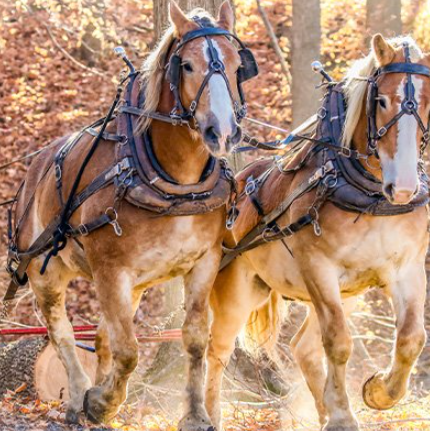
One of the most striking visual differences among draft horses is their size and build. Draft horses are generally much larger than standard breeds, standing between 14 and 20 hands (56-80 inches) at the shoulder. Their bodies are thick and powerful, designed for heavy pulling and farm work, which sets them apart from lighter horse breeds.
When examining a draft horse, you’ll notice its sturdy frame, which includes a broad chest, short back, and well-muscled hindquarters. Breeds like the Clydesdale or Percheron exhibit these strong physical attributes, making them well-suited for tasks that require significant strength and endurance.
-
- Observe the height: Measure from the ground to the top of the shoulder.
-
- Compare the girth: Notice the thickness around the barrel.
-
- Check their legs: Draft horses have larger, stronger legs compared to light breeds.
-
- Look for muscle definition: Notice the pronounced muscles in the shoulders and hindquarters.
2. Coat Colors and Patterns
Another fascinating aspect of draft horses is the variety of coat colors and patterns. While some breeds maintain specific color standards, others showcase a wide array of shades. Common colors include chestnut, bay, black, and gray, but unique patterns such as roans or piebalds can also appear in certain breeds. For instance, Clydesdales often have white markings that make them easily recognizable.
Understanding coat variations can help you identify different draft horse breeds. For example, the Belgian draft horse is predominantly chestnut but may occasionally come in shades of bay or gray. When inspecting a draft horse, notice the consistency and texture of the coat, as these can indicate its health and grooming practices.
-
- Familiarize yourself with breed-specific colors.
-
- Look for unique markings, such as blazes or socks.
-
- Check for coat condition: A shiny, well-groomed coat is often a sign of good health.
-
- Observe the mane and tail: Length and fullness can vary based on the breed and care.
3. Head and Facial Features
The head structure of draft horses is another area ripe for comparison. Typically, draft horses have broad heads, which house large, expressive eyes and strong jaws. For example, the Belgian draft horse is known for its distinctively wide forehead and short, compact skull, which contrasts with the longer, elegant heads of lighter breeds.
Facial features can also indicate the temperament of the horse. Horses with soft expressions may be more approachable, while those with tighter facial lines might display a different demeanor. Pay attention to the size of the nostrils and the position of the ears, as these features contribute to a horse’s overall personality and reaction to its environment.
-
- Notice the width of the forehead: Wider foreheads are common in draft breeds.
-
- Compare eye sizes: Larger eyes can indicate a calm temperament.
-
- Observe ear movements: Ears that are relaxed indicate comfort.
-
- Check nostril size and shape: Broader nostrils can signify better breathing.
4. Hoof Structure
The hooves of draft horses are significantly larger and more robust than those of lighter breeds. A draft horse’s hoof is designed to support its substantial weight and absorb shock from heavy pulling and work. For example, a Belgian draft horse often has wider, stronger hooves than a thoroughbred, which aids in durability over rough terrains.
Inspecting hoof health is vital for maintaining a draft horse’s overall well-being. Well-maintained hooves should be hard and shiny, with no signs of cracks or infections. Regular farrier visits are essential, as trimmed hooves will help prevent issues such as laminitis, which can greatly affect a horse’s performance and quality of life.
-
- Assess hoof size: Larger hooves indicate draft breeds.
-
- Check for overall shape: Well-balanced hooves should be round.
-
- Look for cracks or chips: Signs of poor maintenance or health issues.
-
- Keep a regular farrier schedule: Regular trimming and shoeing are essential.
5. Movement and Gait
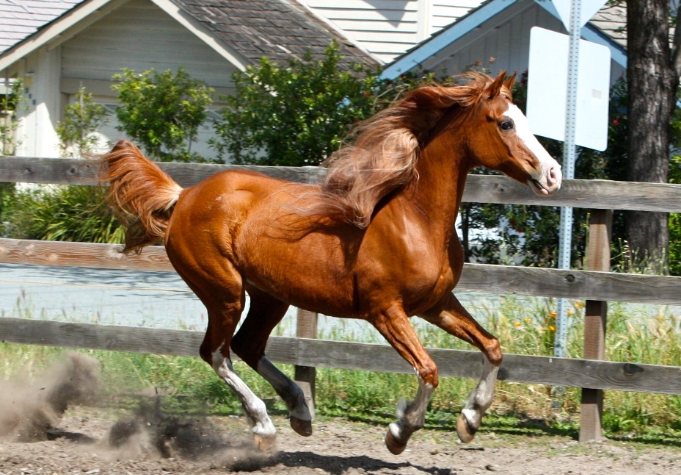
The movement of draft horses is typically more powerful and grounded compared to lighter breeds. When observing a draft horse, watch how they carry themselves; their gait is often described as “bold” or “heavy,” emphasizing their strength and stability. For instance, the typical walk of a Clydesdale can almost appear more majestic than the swift gallop of a Thoroughbred.
To appreciate these differences fully, it’s beneficial to watch them in action. Draft horses tend to move with a purpose, demonstrating their background in work and utility. Their slower, more deliberate movements may be less flashy but showcase their incredible power and ability to perform substantial tasks.
-
- Watch for the size of the strides: Draft horses have longer and more powerful strides.
-
- Observe the energy level: Draft horses may appear more deliberate in their movements.
-
- Pay attention to posture: A strong, upright posture indicates confidence and strength.
-
- Note ground material: Draft horses perform differently on various terrains.
Understanding the visual differences of draft horses can enhance your experience with these amazing animals. Whether you are a beginner or considering owning one, recognizing these traits can help you appreciate their unique qualities better. Always consult professionals for specific guidance tailored to your interests—taking the next step can lead to rewarding experiences with these magnificent creatures!