The world of horses can be quite intricate, particularly when it comes to understanding the various classifications used to describe different breeds and types. Among these classifications, ‘draft horses’ and ‘cold blood horses’ are terms often used interchangeably; however, they have distinct meanings and applications.
1. What are Draft Horses?
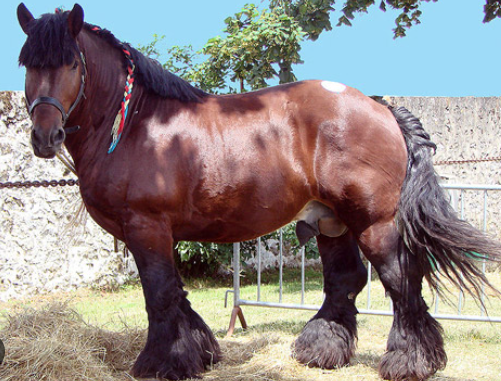
Draft horses are a specific category of large, powerful horses bred primarily for heavy work, such as pulling plows, wagons, and carriages. These horses typically exhibit strong muscular builds, fostered by generations of selective breeding for strength and stamina. Common examples of draft horse breeds include the Clydesdale, Shire, and Belgian. Each of these breeds has unique characteristics, such as size and coat color, but they all share a common purpose related to labor.
In addition to their physical attributes, draft horses also have a calm temperament. This behavior makes them especially suitable for farm work and pulling heavy loads, even under challenging conditions. Many people who work in agriculture, logistics, or even tourism (like carriage rides) favor these horses due to their reliability and strength.
-
- Research different draft horse breeds to find one that suits your needs.
-
- Consider the proper training and care necessary for maintaining a draft horse.
-
- Assess your workload to determine if a draft horse is the right choice for you.
-
- Participate in draft horse events to meet potential owners and breeders.
2. Understanding Cold Blood Horses
‘Cold blood’ horses refer to breeds that are generally heavyset, calm, and well-suited for hard work. While all draft horses are considered cold bloods, not all cold bloods are draft horses. Cold blood horses have a laid-back demeanor, making them ideal companions for both novice and experienced riders. Expect to find breeds like the Percheron and Suffolk in this category, which have been traditionally used for agricultural and hauling purposes.
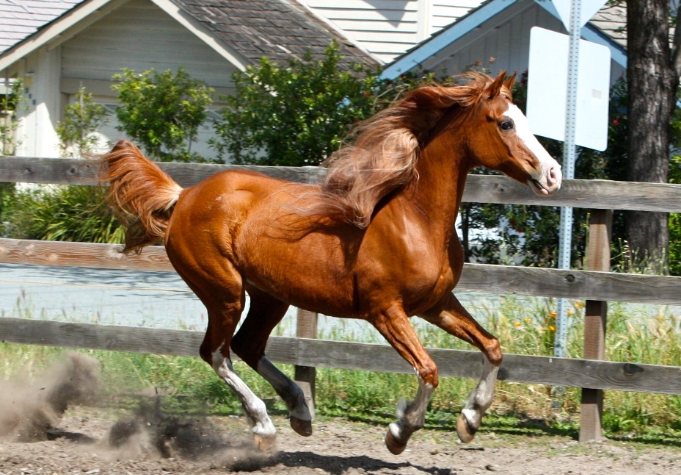
This term contrasts with “hot blood” horses, which are typically more energetic and excitable, such as Arabians and Thoroughbreds. Understanding the difference enables horse owners to choose the right horse for their lifestyle. Cold bloods tend to be robust, adaptable, and easy to train due to their tranquil nature.
-
- Evaluate your riding or working style to see if a cold blood horse fits.
-
- Consider the horse’s temperament—cold bloods are generally more accepting of novice riders.
-
- Learn about different cold blood breeds to understand their unique traits.
-
- Establish a consistent training regimen to develop a positive relationship with the horse.
3. Key Differences Between Draft and Cold Blood Horses
Understanding the distinctions between draft horses and cold blood horses can significantly impact your ownership experience. Draft horses are a specific type of cold blood horse characterized by their size and strength, primarily bred for labor. Cold bloods, on the other hand, cover a broader range of breeds that may not be as large or powerful as draft horses but still share the gentle nature associated with the cold blood classification.
Aside from size and purpose, another crucial difference is the context in which they are used. Draft horses often participate in competitive plowing contests, performances, and heavy hauling jobs, while cold blood horses may find themselves in various roles, from family pets to therapy horses. Knowing these distinctions can help prospective owners make informed decisions based on their needs and expectations.
-
- Compare the size and strength requirements of your intended activities.
-
- Keep in mind the horse’s temperament when selecting your mount.
-
- Investigate the specific roles each type of horse has historically played.
-
- Consult experienced owners or breeders to gain insights into different breeds.
4. Choosing the Right Horse for You
When deciding whether to choose a draft horse or a cold blood horse, it’s essential to evaluate your lifestyle and needs. If you’re looking for a steady horse for farm work, a draft horse might be an excellent option, given their size and power. However, if you’re interested in a versatile companion that is calm and easy to handle, cold bloods offer a range of options that may be more suitable.
Before making a decision, it’s wise to spend time with both types to understand their unique personalities and how they interact with humans. This experience will provide valuable insights that can help inform your choice and ensure a more fulfilling relationship.
-
- Foster relationships with local horse communities to gain firsthand experience.
-
- Attend workshops or classes focusing on both types of horses.
-
- Consider your long-term goals and what you want from horse ownership.
-
- Conduct thorough research on breed characteristics and care requirements.
Understanding the differences and similarities between draft horses and cold blood horses can help you make more informed decisions when choosing the right equine partner for your needs. Whether you lean toward the powerhouse of draft breeds or the manageable nature of cold bloods, you’re one step closer to an enriching experience. Consider consulting a professional trainer or breeder to discuss your specific needs and to learn more about the horse that will fit best into your life.