Understanding the differences between draft horses and workhorses can empower horse owners and enthusiasts to choose the right companion for their needs. While these terms are often used interchangeably, they actually refer to distinct categories of equine breeds with specific functionalities. This blog post will clarify these differences and help you appreciate the unique contributions each type of horse makes.
1. What Are Draft Horses?
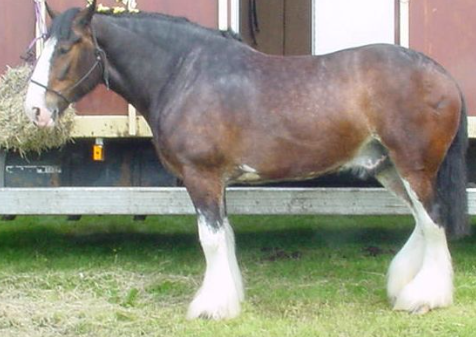
Draft horses are large, powerful horses bred specifically for heavy pulling tasks, such as plowing fields and hauling cargo. Breeds like Clydesdales, Percherons, and Shires fall under this category. The impressive size and strength of draft horses allow them to work in conditions that lighter breeds might find daunting, making them essential in agricultural and heavy-lifting situations.
One notable trait of draft horses is their calm demeanor, often making them suitable for novice horse owners. Their large size can be intimidating, but they typically possess a patient and gentle nature, which is beneficial when working with people. Many draft breeds also have a rich history, contributing significantly to transportation and farming before the rise of modern machinery.
-
- Research different draft horse breeds to find the right fit for your needs.
-
- Consider adopting from rescue organizations focused on these breeds.
-
- Learn about their care, including special nutritional needs and exercise.
-
- Familiarize yourself with their training requirements as they can differ from lighter horses.
2. What Are Workhorses?
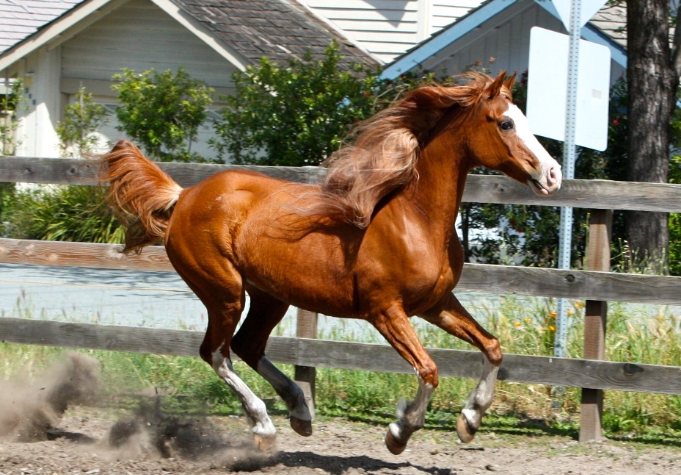
While the term “workhorse” indicates a horse bred for tough jobs, it usually refers to lighter breeds that excel in various work-related tasks without the extreme size of draft horses. Breeds such as Quarter Horses and Appaloosas can be classified as workhorses and are well-suited for activities requiring agility, speed, and versatility. These horses often exhibit a strong drive for work and can adapt to different jobs effectively.
Workhorses can be used in diverse roles, such as ranching, rodeos, and even therapy animals, due to their manageable size and versatility. Their ability to perform multiple tasks often makes them a valuable asset for both hobbyists and farmers. Thanks to their adaptable nature, they often excel in activities like team penning or barrel racing, requiring a different skill set than the heavy hauling typically associated with draft horses.
-
- Evaluate what types of tasks you want your workhorse to perform.
-
- Consider participating in local events or clubs that focus on specific workhorse breeds.
-
- Invest in proper training to maximize your horse’s potential.
-
- Stay up-to-date with health and agility training preferred for workhorses.
3. Key Differences Between Draft Horses and Work Horses
Understanding the key differences between draft horses and work horses can make all the difference in selecting the right horse for your needs. One major distinction lies in their physical attributes: draft horses are generally larger, often weighing over 1,800 pounds, while workhorses typically range from 900 to 1,200 pounds. This size difference influences their capabilities, with draft horses well-suited for heavy pulling and workhorses offering versatility across various tasks.
Another critical difference is in their temperament and training requirements. Draft horses tend to be more placid, which can make them easier to train but requiring regular work to maintain their muscle tone. Workhorses may require more varied training focuses due to their adaptability; they’re often required to switch tasks frequently, which keeps their intelligence engaged. Each type serves a different purpose and requires unique management to thrive.
-
- Assess the tasks needed: heavy pulling vs. agility and versatility.
-
- Consider training style: is the horse calm and easy to train, or adaptable and intelligent?
-
- Review space and care requirements based on their size.
-
- Understand the nutrition needs to maintain optimal health and performance.
4. The Roles of Draft Horses and Work Horses Today
Today, draft horses are commonly seen in events like plowing contests and parades, often demonstrating their strength in various displays. Many farms still utilize these gentle giants for sustainable agriculture practices. Though modern farming has shifted toward mechanization, the resurgence of interest in Draft breeds is evident in many communities focused on sustainable practices and equine-assisted therapies.
Workhorses, on the other hand, are often found in more diverse settings such as rodeos, trail riding, and even equine therapy programs. These horses excel in performance events and are typically valued for their speed and agility. Their adaptability also makes them suitable for ranching and stock work, further emphasizing their importance in our modern equestrian community.
-
- Look into local riding or farming clubs that use draft or workhorses.
-
- Explore opportunities for volunteering with equine therapy programs.
-
- Attend agricultural fairs or events to appreciate the roles these breeds play.
-
- Consider career paths in agriculture or equine services that focus on these breeds.
In conclusion, whether you’re drawn to the majestic strength of draft horses or the agile, versatile nature of workhorses, each type presents unique advantages. Understanding these differences can help you make informed decisions about horse ownership or involvement in equestrian activities. Dive deeper into this fascinating world and consider consulting local professionals or trainers to learn more about what suits your needs the best.