Draft horses have been invaluable companions for farmers and heavy laborers, thanks to their immense strength and endurance. Understanding their weight limits and load capacity is essential for maximizing their efficiency and ensuring their well-being. In this article, we will explore important factors regarding draft horse weight and how to effectively utilize their capacity.
1. Understanding Draft Horse Weight Limits
The weight of a draft horse varies significantly based on its breed, age, and overall health. On average, a mature draft horse can weigh between 1,600 and 2,200 pounds. Breeds such as the Clydesdale or Belgian may even exceed these averages, reaching up to 2,400 pounds in some cases. It is critical to know the specific breed and condition of your draft horse to determine their individual weight limit accurately.
Overloading a draft horse can lead to numerous health issues, including muscle strain, respiratory problems, and even long-term injuries to their bones and joints. An important rule of thumb is that a draft horse can generally pull a load about 1.5 times its body weight, which means a 1,600-pound horse could ideally handle a load of up to 2,400 pounds under optimal conditions. Nevertheless, the terrain and environmental conditions should always be considered when evaluating weight limits.
-
- Know your horse’s weight by regularly using a weight tape or scale.
-
- Consult breed standards to understand the average weight for your horse’s breed.
-
- Regularly assess your horse’s health and fitness to adjust their load limit as needed.
-
- Consider the environment when determining the weight limit (hilly vs. flat terrain).
2. Calculating Load Capacity for Draft Horses
Calculating the load capacity for draft horses requires consideration beyond just their weight. Factors such as the horse’s fitness level, the type of harnessing equipment used, and the nature of the load can significantly influence their performance. For instance, a well-conditioned horse may handle a greater load thanks to trained muscles and endurance, while a horse that is not used to heavy work may fatigue more quickly even under lighter loads.
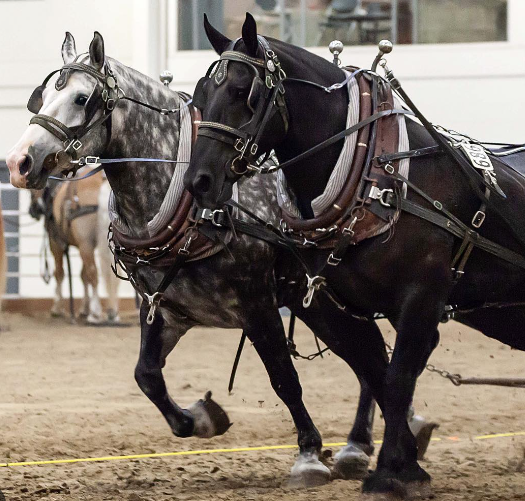
Additionally, the type of harnessing technology is crucial. A well-fitted collar should allow for even weight distribution across the horse’s shoulders, enabling the horse to carry or pull heavier loads efficiently. In contrast, poorly fitted gear can lead to chafing and discomfort, reducing the horse’s working capacity and increasing the likelihood of injury.
-
- Assess your horse’s fitness level regularly.
-
- Inspect and maintain your harnesses to avoid discomfort.
-
- Consider the type of work: pulling vs. carrying.
-
- Monitor your horse during work for signs of fatigue.
3. Safe Practices for Loading and Working Draft Horses
Implementing safe practices while loading and working with draft horses is paramount for both their health and performance. When loading, always ensure the horse is calm and facing the load, using proper techniques to lead and encourage them. Avoid sudden movements and loud noises that could spook the horse, as this can affect their confidence and cooperation.
When working with draft horses, it’s vital to provide adequate breaks and hydration to prevent exhaustion. Draft horses can easily overheat when working hard, especially in warm weather, so monitoring their condition is crucial. Ensure an appropriate workload and adjust it based on environmental factors, such as humidity and temperature, and keep a watchful eye for any signs of distress.
-
- Always lead the horse calmly and gently during loading.
-
- Provide frequent breaks and hydration during work sessions.
-
- Monitor the weather conditions and adjust workloads accordingly.
-
- Be attentive to any signs of fatigue or discomfort.
In conclusion, knowing the weight limits and load capacity of draft horses is essential for their safety and performance. By understanding these factors, you can ensure your draft horse remains healthy and capable of meeting your work demands. If you’re unsure about the specifics for your horse, consulting a veterinarian or equine specialist can provide additional guidance tailored to your individual horse’s needs.