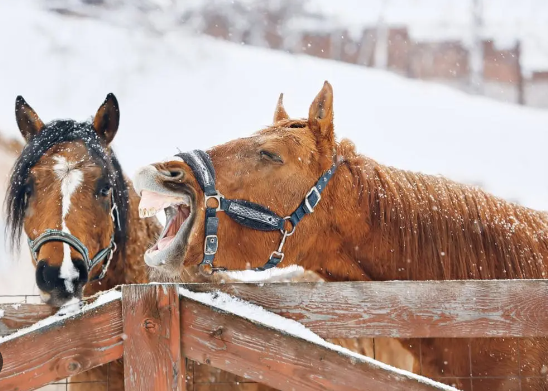
As winter descends, caring for draft horses requires extra attention. The cold weather can be harsh on these gentle giants, making it crucial to understand their unique needs during the winter months. With the right approach, you can ensure your draft horse remains healthy and happy even in the frosty weather.
1. Nutritional Needs
In winter, a draft horse’s caloric requirements significantly increase due to the need for maintaining body heat. Horses use more energy to stay warm, especially if they are exposed to cold winds or wet conditions. A high-quality forage diet is essential; consider offering additional hay or specially formulated feeds designed for winter use. Make sure to assess your horse’s weight regularly to adjust their feed as necessary, ensuring they don’t lose condition throughout the colder months.
Moreover, hydration becomes particularly critical when temperatures drop. Horses often drink less water when it’s cold, which can lead to dehydration and digestive issues. Hence, ensure they have constant access to fresh, unfrozen water at all times. Adding electrolytes to their feed can also help maintain hydration levels.
-
- Provide high-quality hay as part of their diet.
-
- Monitor body weight and adjust rations accordingly.
-
- Ensure access to fresh, unfrozen water always.
-
- Consider adding electrolytes to their feed.
-
- Consult with a veterinarian or equine nutritionist for tailored feeding plans.
2. Shelter and Bedding
A well-structured shelter is critical for your draft horse’s comfort during winter. It should be large enough to accommodate the horse without feeling confined, while also offering protection from wind, rain, and snow. Ideally, the shelter should have proper ventilation to inhibit moisture buildup, as stagnant air can lead to respiratory issues. A three-sided barn or run-in shed is an excellent option for keeping your horse dry and warm.
The bedding within their shelter also plays a vital role. Straw or shavings can provide insulation, keeping the horse warmer on colder nights. Ensure that bedding is dry and well-maintained, as damp bedding can contribute to health problems, such as skin infections and respiratory issues. Regularly clean the space to promote hygiene and comfort.
-
- Ensure your shelter is spacious and well-ventilated.
-
- Use appropriate bedding materials like straw or shavings.
-
- Check bedding regularly to ensure it’s dry and clean.
-
- Consider placing extra bedding in high-traffic areas.
-
- Inspect the shelter for any wind drafts or leaks.
3. Grooming and Health Monitoring
Grooming is essential year-round, but in winter, it serves an additional purpose by promoting circulation and keeping the coat healthy. Regular brushing helps to remove dirt and debris, encouraging natural oils that keep the coat waterproof. This is particularly important as wet coats can lead to chills. Additionally, check for any signs of skin irritation or injuries that might require attention during grooming sessions.
It’s also an ideal time to monitor your draft horse’s overall health. Look for signs of discomfort or distress, such as shivering or lethargy, which could indicate issues with cold stress. Keeping up with vaccinations and parasite control remains vital, as winter can also be a time for colds and other illnesses. Make sure they are up-to-date with all health checks, and consult your veterinarian regarding any concerns.
-
- Brush regularly to maintain coat health and promote circulation.
-
- Monitor for signs of discomfort or health changes.
-
- Check the skin for infections or injuries during grooming.
-
- Keep up-to-date with vaccinations and deworming.
-
- Schedule regular vet check-ups to ensure overall health.
4. Exercise and Activity
While cold weather might inspire you to keep your draft horse tucked away, it’s crucial they receive adequate exercise to stay fit and prevent boredom. Daily turnout in a safe area provides not only physical exercise but also mental stimulation. Consider activities such as ground work, lunging, or riding if conditions permit. Just be mindful of ice and slippery surfaces.
For those horses that might be more sensitive to the cold, short but regular walks provide both exercise and a bonding experience. You can also incorporate groundwork activities to engage their mind without exposing them overly to the cold. Adjust exercise routines based on temperatures and how your horse is handling the colder weather.
-
- Provide daily turnout for both exercise and socialization.
-
- Engage in safe riding or lunging sessions as appropriate.
-
- Monitor for ice and slippery areas while exercising.
-
- Incorporate groundwork to keep their minds stimulated.
-
- Adjust exercise routines based on temperature and weather conditions.
In conclusion, taking care of your draft horse during the winter months is essential for their well-being. By addressing their nutritional needs, providing proper shelter, ensuring regular grooming, and maintaining an exercise routine, you can help them thrive in colder conditions. Don’t hesitate to consult a veterinarian or equine specialist to ensure you’re covering all bases for your horse’s health and happiness during the winter season.