Draft horses have long been admired for their strength and versatility, playing essential roles in agriculture and transport throughout history. In the modern era, their impressive working abilities continue to shine, often in ways that may surprise many. This blog explores how these majestic animals are not only retained for tradition but also adapted to fit contemporary needs.
1. The Resurgence of Draft Horses in Agriculture
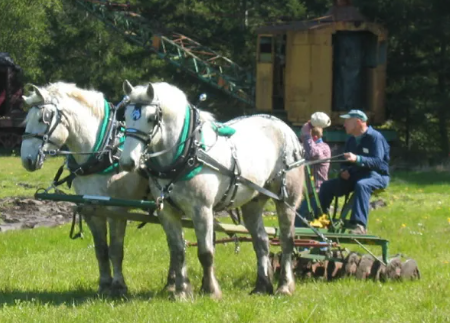
With the rise of organic and sustainable farming, many farmers are rediscovering the unique advantages offered by draft horses. Unlike tractors, draft horses are environmentally friendly and can thrive in diverse agricultural terrains. Their ability to work efficiently without the need for fossil fuels makes them increasingly popular among eco-conscious farmers.
Additionally, draft horses can access areas where machinery may struggle, such as steep slopes and smaller fields. Their gentler impact on the land contributes to soil preservation and reduces compaction, which can benefit crops in the long run. Moreover, farmers often find that the relationship built with draft horses offers an enriching experience for both animal and handler.
-
- Evaluate your land’s suitability for draft horse cultivation.
-
- Research different draft horse breeds to find the best fit.
-
- Invest in proper training and equipment for draft horse farming.
-
- Consider integrating sustainable practices alongside horse-powered farming.
2. Draft Horses in Therapeutic Settings
Beyond traditional farming, draft horses have found a vital place in therapeutic settings, offering physical and emotional support to individuals with various needs. Equine-assisted therapy sessions frequently incorporate draft horses due to their calm demeanor and size, making them a safe choice for participants who may require more substantial physical interaction.
These gentle giants are ideal for therapeutic activities as they foster emotional connections and build trust. Participants often find strength and confidence through interactions, which can lead to improved mental well-being. Programs utilizing draft horses have shown promising results, enhancing communication skills and even alleviating symptoms of anxiety and depression.
-
- Look for accredited equine therapy programs in your area.
-
- Engage licensed therapists familiar with draft horse interactions.
-
- Observe initial interactions to ensure comfort and safety.
-
- Encourage participants to share their feelings during sessions.
3. Draft Horses in the Competitive Arena
While many may see draft horses as primarily work animals, they have also found success in various competitive events. Competitions like logging, plowing, and pulling showcase their strength and training, drawing audiences who admire their skills. These events highlight not only the physical prowess of the horses but also the bond between the horse and its handler.
Furthermore, the popularity of pulling competitions has soared, where teams of draft horses demonstrate their incredible power. Here, proper training and care are critical for success, as handlers must maintain the horses’ health and morale throughout the competitive season. Owners often invest in specialized training, grooming, and feeding to ensure their horses are at peak performance.
-
- Consider enrolling your draft horse in training for specific competitions.
-
- Attend local events to learn about practice techniques and community resources.
-
- Join clubs or organizations focused on draft horse sports.
-
- Keep track of your horse’s health and fitness regimen as competitions approach.
4. The Importance of Education and Community
As interest in draft horses grows, educational programs and community resources are becoming invaluable. Individuals interested in these powerful animals can access workshops, online courses, and local meetups, where they can learn best practices for care, training, and harnessing techniques. Education promotes responsible ownership and enhances the overall experience for both horse and handler.
Local clubs often host events that provide networking opportunities, allowing enthusiasts to connect, share experiences, and learn from each other. This sense of community fosters a supportive environment where newcomers can gain insight and seasoned owners can share best practices. Education helps ensure that draft horses continue to be respected members of modern society.
-
- Find local or online classes focused on draft horse care and management.
-
- Attend community events to foster relationships with other horse owners.
-
- Follow reputable sources for articles, tips, and guidelines on draft horses.
-
- Consider volunteering with organizations dedicated to draft horse welfare.
Draft horses are not merely a relic of the past; their remarkable working abilities have adapted remarkably to modern times. Whether for agriculture, therapy, or competition, these gentle giants have much to offer. To dive deeper into the world of draft horses, consider consulting with local experts or joining community groups that celebrate these beautiful animals.