Maintaining working gear for draft horses is not only essential for the safety and comfort of the animal but also enhances performance and longevity of the equipment. Draft horses have unique needs, and understanding the right materials and maintenance practices can make a significant difference in their effectiveness. This guide will cover essential aspects of gear maintenance and material selection so you can ensure your draft horse is well-equipped for work.
1. Understanding Draft Horse Harnesses
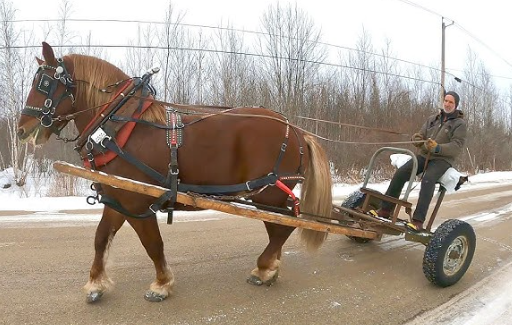
The harness is one of the most critical components of draft horse gear. It must distribute weight evenly to prevent injury and ensure that the horse can perform its tasks efficiently. Common materials used in harness construction include leather, nylon, and synthetic compounds. Each material has its own set of benefits and drawbacks. For instance, leather is durable and has a classic appeal but requires regular conditioning to prevent cracking. Synthetic materials are often lighter and more affordable but may not be as durable under strenuous conditions.
When choosing a harness, consider the type of work your horse will be doing. For heavy-duty farm work, a leather harness with padded breast straps may be ideal. On the other hand, if your work involves increased exposure to moisture, a synthetic or waterproof harness may be the better choice. Careful selection will ensure longer-lasting gear that supports your horse effectively.
-
- Inspect harness fittings regularly for wear and tear.
-
- Condition leather with a suitable product at least once a month.
-
- Ensure the harness is the correct fit to prevent chafing.
-
- Keep synthetic materials clean with warm soapy water.
-
- Store harnesses in a cool, dry place to prevent damage.
2. Tack Maintenance for Draft Horses
While harnesses are essential, the tack—like saddles and reins—also requires proper maintenance. Tack should be cleaned after every use to remove sweat and dirt, which can lead to deterioration over time. Leather tack can be cleaned with a damp cloth and then conditioned using specialized products. Synthetic tack can often be washed in a machine, but always check the manufacturer’s care instructions before doing so.
Saddles, particularly, need a regular check for fit and functionality. If a saddle is too tight or worn, it can cause discomfort for the horse, which affects both performance and behavior. Regular adjustments, along with the occasional professional fitting, are great ways to ensure that your saddle remains effective and comfortable.
-
- Inspect reins for fraying or wear regularly.
-
- Store tack away from direct sunlight to avoid fading.
-
- Apply saddle soap to leather to maintain suppleness.
-
- Use saddle pads designed specifically for draft horses.
-
- Schedule annual checks with a professional saddler.
3. Selecting the Right Materials for Gear
The choice of materials for drafting gear significantly impacts both function and durability. Leather, as mentioned, offers strength and longevity, making it an excellent choice for harnesses and saddles. It’s conscientious to select high-quality leather free from defects. Synthetic materials, although newer to the market, have advanced significantly and can be incredibly durable while being lightweight and less maintenance-intensive.
In addition to leather and synthetic options, consider materials like nylon, which is both strong and resistant to moisture. However, while nylon is durable, it can cause chafing without proper padding. Ensure that materials chosen are suitable for the specific climate and working conditions your horse will be exposed to, as this can affect their comfort and the gear’s lifespan.
-
- Choose waterproof materials for work in wet conditions.
-
- Look for breathable, moisture-wicking fabrics in warmer weather.
-
- Prioritize ergonomic designs for horse comfort.
-
- Avoid low-quality materials that may break down quickly.
-
- Research brands and reviews before making a purchase.
4. Regular Inspections and Repairs
Even with the best maintenance routines, wear and tear is inevitable. Regular inspections can catch minor issues before they result in more significant problems. Look for signs of wear such as fraying, cracks, or rust on hardware. Don’t overlook the importance of checking the stitching, as worn stitching can lead to equipment failure.
Develop a routine schedule for equipment inspections, ideally before and after each work session. Documenting the condition of gear can help you identify patterns and anticipate when a particular piece may need replacing. If repairs are needed, either undertake them yourself or consult a professional to ensure they are done correctly and safely.
-
- Inspect all gear before use.
-
- Document any signs of wear or damage.
-
- Repair minor issues immediately to avoid larger problems.
-
- Don’t hesitate to seek professional help if unsure about repairs.
In summary, proper maintenance and careful material selection for draft horse working gear can significantly prolong the life of your equipment while ensuring your horse’s comfort and effectiveness in their tasks. Regular assessments and a proactive approach to repairs will keep both your draft horse and gear in optimal condition. Consider consulting with professionals for specialized advice on your specific equipment and routines to make the most of your draft horse’s capabilities.