Hoof care is crucial for draft horses, which are known for their immense strength and size. Due to their weight and specific needs, maintaining healthy hooves requires regular attention and specialized knowledge. In this article, we will explore essential aspects of hoof care for draft horses.
1. Understanding Hoof Anatomy
Before diving into hoof care routines, it’s vital to understand the basic anatomy of a horse’s hoof. Each hoof is composed of various structures, including the hoof wall, sole, and frog. The hoof wall, made of keratin, protects the softer internal structures and plays a key role in weight-bearing. The sole adds protection to the internal structures, while the frog, a V-shaped structure on the underside of the hoof, aids in shock absorption and circulation.
In draft horses, the size and weight of their hooves can cause unique challenges. Their hooves must support significant weight, meaning they’re more prone to issues like cracks and thrush if not properly maintained. Regularly acknowledging these structures will empower you to identify problems and administer appropriate care.
-
- Familiarize yourself with hoof anatomy to spot issues quickly.
-
- Regularly check for signs of wear and tear, such as cracks or uneven wear.
-
- Learn the basic terms associated with hoof health.
-
- Monitor health with respect to the horse’s activity level.
2. Regular Hoof Maintenance
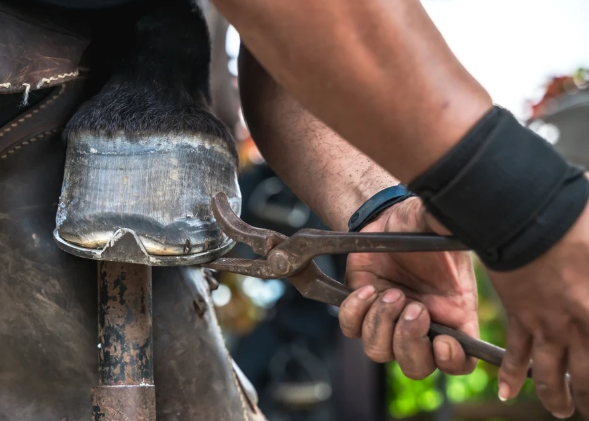
Consistent and proactive hoof maintenance is essential for draft horses. Regular trimming and shoeing ensure that the hooves remain healthy and correctly shaped. While some owners may opt for a professional farrier, understanding the trimming process helps you keep an eye on the hooves between visits. Generally, draft horses require trimming every 6 to 8 weeks, but this can vary based on their activity level and environment.
In addition to trimming, regular cleaning is crucial. Dirt and debris can build up and lead to hoof diseases, so making a habit of picking out the hooves daily can prevent complications. Look for signs of thrush, a common bacterial infection that thrives in moist environments, particularly in the grooves of the frog.
-
- Schedule regular farrier visits based on your horse’s needs.
-
- Learn to pick out hooves to prevent dirt and moisture buildup.
-
- Inspect for cracks and diseases during each cleaning routine.
-
- Use the appropriate tools (hoof pick, nippers, etc.) for maintenance.
3. Nutrition and Its Impact on Hoof Health
The health of a draft horse’s hooves is closely linked to its overall nutrition. Horses require a balanced diet rich in key nutrients such as biotin, zinc, and protein, all critical for strong hoof growth. Look for high-quality feed that includes these essential nutrients. Supplementing with a hoof-specific supplement can also be beneficial, especially for horses with known hoof issues.
Hydration also plays a crucial role, as a well-hydrated horse is less likely to experience cracking and brittleness. Ensure that your draft horse has unlimited access to clean, fresh water. Additionally, consider the impact of your horse’s environment; dry land can lead to brittle hooves, while excessive moisture can make hooves too soft.
-
- Consult with a vet or equine nutritionist for a balanced diet plan.
-
- Incorporate hoof supplements if necessary.
-
- Ensure that clean water is always available for hydration.
-
- Monitor for signs of nutritional deficiencies, such as poor hoof growth.
Maintaining the health of draft horses is a multifaceted task that requires a keen understanding of hoof care and its implications. By focusing on hoof anatomy, regular maintenance, and proper nutrition, you can help ensure that your equine companion remains sound and healthy. Regular attention to these aspects will go a long way in preventing potential health issues down the line.
In conclusion, taking the time to properly care for your draft horse’s hooves is an investment in its overall health and performance. Don’t hesitate to reach out to a veterinarian or farrier for professional guidance, and make hoof care part of your routine. Your horse will thank you for it!