Maintaining the health of a horse’s hooves is a critical aspect of caring for performance horses. Proper hoof care not only supports the horse’s overall health but also enhances their performance in various disciplines. Understanding hoof anatomy and care practices can help horse owners keep their equine partners in prime condition.
1. Understanding Hoof Anatomy
The hoof is a complex structure that bears the weight of the horse and absorbs shock during movement. It consists of several key components: the hoof wall, sole, frog, and digital cushion. Each part serves a specific function, and understanding these can help in diagnosing potential issues. For instance, the hoof wall provides protection and support, while the frog plays a crucial role in shock absorption and circulation.
Moreover, the hooves’ health is influenced by factors such as diet, terrain, and activity level. It’s beneficial to regularly examine your horse’s hooves and understand any changes. Owners should get familiar with the signs of healthy hooves—like a smooth hoof wall without cracks, balanced weight distribution, and a worn frog, which indicate proper use.
-
- Learn the anatomy: Get familiar with the parts of the hoof.
-
- Regularly inspect hooves for cracks and signs of disease.
-
- Ask a professional for assistance in understanding hoof structure.
-
- Observe your horse’s movement to identify any issues.
2. Establishing a Regular Hoof Care Routine
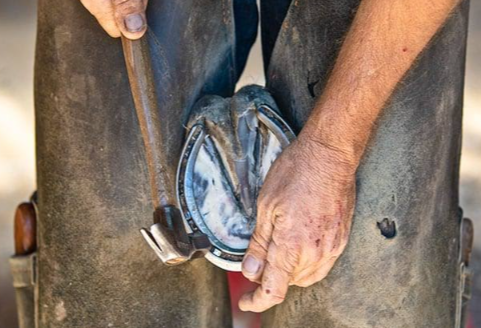
A consistent hoof care routine is essential for performance horses. Farrier visits should be scheduled every 6 to 8 weeks, depending on the horse’s activity level and hoof growth. Regular trimming helps maintain proper hoof shape and prevents complications such as overgrowth and imbalance, which can lead to lameness.
Additionally, incorporating daily hoof cleaning into your routine can significantly improve hoof health. Clearing away dirt, stones, and debris helps prevent infections such as thrush. It’s also an opportunity to check for any abnormalities or injuries, ensuring any potential problems can be addressed early.
-
- Schedule regular farrier appointments and stick to them.
-
- Clean hooves daily using a hoof pick to remove debris.
-
- Check for signs of infection or injury during cleaning.
-
- Foster a calm environment for your horse during hoof care.
3. Nutrition and Its Impact on Hoof Health
The health of a horse’s hooves is closely linked to their overall nutrition. A balanced diet rich in essential nutrients such as biotin, zinc, and omega fatty acids promotes strong hoof growth and resilience. High-quality hay, grains, and supplements tailored to your horse’s needs can significantly improve hoof quality over time.
For instance, horses deficient in biotin may exhibit brittle hooves that are prone to cracking and splitting. Supplements can help remedy these deficiencies but should be given under veterinary guidance to ensure optimal results without over-supplementation. Regularly monitoring your horse’s condition will provide the feedback needed to adjust their diet accordingly.
-
- Consult a vet or equine nutritionist for dietary recommendations.
-
- Incorporate high-quality grains and hay into your horse’s diet.
-
- Consider hoof supplements, especially those containing biotin.
-
- Observe changes in hoof quality based on dietary adjustments.
4. Environment and Its Effects on Hoof Care
The environment in which your horse lives plays a crucial role in hoof health. Horses that spend a lot of time on dry, hard ground may develop more wear on their hooves, while muddy or damp conditions can lead to soft hooves that are susceptible to thrush and other infections. Striking a balance is vital for maintaining hoof integrity.
Providing a clean, dry environment along with ample opportunity for hoof aeration—like turnout time—helps keep the hooves in good condition. Using proper bedding materials in stalls can also reduce moisture exposure, ultimately promoting stronger hooves. Regularly rotating grazing areas can help mitigate the impact of varied terrain.
-
- Keep stalls clean and dry to prevent damp-related issues.
-
- Provide adequate turnout time for hoof air circulation.
-
- Rotate pastures to reduce excessive wear or risk of disease.
-
- Consider using gravel or sand areas for additional hoof conditioning.
5. Recognizing and Addressing Common Hoof Problems
Performance horses may encounter a variety of hoof-related issues, including thrush, laminitis, and hooves that are too soft or too hard. Early identification of these conditions can make a considerable difference in treatment efficacy and long-term hoof health. For instance, thrush can often be treated with antifungal solutions, while laminitis requires immediate veterinary intervention.
Regular hoof inspections can help catch these problems before they escalate. Look for swelling, heat, changes in hoof shape, or unusual behavior such as limping. Having a solid relationship with a veterinarian or farrier helps ensure quick access to advice and treatment options when issues arise.
-
- Learn the symptoms of common hoof problems.
-
- Inspect hooves visually and physically during cleaning.
-
- Maintain open communication with your farrier or vet.
-
- Don’t hesitate to seek help at the first sign of trouble.
In conclusion, proper hoof care is vital for the performance and well-being of your horse. Establishing a routine and being proactive about nutrition and environment will go a long way in promoting healthy hooves. Make sure to consult professionals regularly and stay informed to provide the best care for your equine companion.