Hoof care for young horses is crucial not only for their immediate health but also for their long-term soundness. Proper hoof management sets the foundation for future performance and well-being, ensuring that these young athletes grow into healthy adults. This blog post will explore key aspects of hoof care that every horse owner should know.
1. Understanding the Importance of Healthy Hooves
The hooves of a young horse are a critical component of its overall health. A horse’s hoof is designed to absorb shock and provide stability, making excellent hoof condition essential to prevent injury and disease. In young horses, the structures in the hoof are still developing, making them particularly vulnerable to problems that can affect their growth and development.
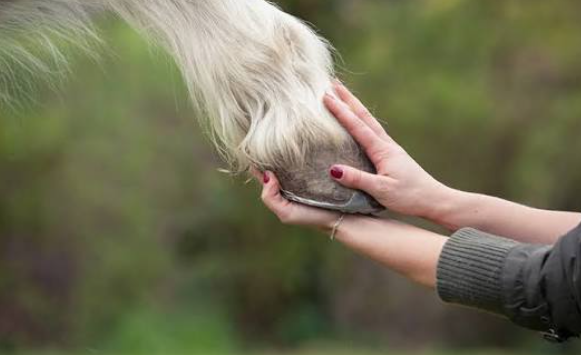
Ensuring healthy hooves involves more than just routine shoeing – it includes regular inspections and a proper trimming schedule. Young horses may encounter various terrains and activities that can lead to hoof issues like cracks, splits, or thrush. Understanding these potential problems can help you act before they escalate.
-
- Check hooves daily for cracks or abnormalities.
-
- Ensure your horse’s diet supports healthy hoof growth.
-
- Be mindful of the terrain your horse is on regularly.
-
- Consult a farrier experienced with young horses.
2. Regular Hoof Trimming and Shoeing Practices
One of the most vital aspects of hoof care is developing a regular trimming and shoeing schedule. Typically, young horses should be trimmed every 6 to 8 weeks, depending on their growth and activity level. During this time, a professional farrier can assess their hooves and make necessary adjustments to promote proper growth.
Shoeing may not be necessary for all young horses, especially those that will primarily be turned out in a pasture. However, for those that will be ridden or worked on hard surfaces, appropriate shoeing becomes crucial. The use of the right type of shoe can protect the hoof and support healthy development, so always engage a farrier who understands the unique needs of young horses.
-
- Schedule regular trims and keep a calendar for tracking.
-
- Assess the need for shoes based on the horse’s activities.
-
- Watch for signs of discomfort when the horse is moving.
-
- Communicate any concerns with your farrier immediately.
3. Nutrition and Its Impact on Hoof Health
A balanced diet is essential for maintaining healthy hooves. Young horses require specific nutrients that contribute to hoof quality, such as protein, biotin, calcium, and zinc. Providing a nutrient-rich diet that includes hay, grains, and specialized supplements can significantly enhance hoof strength and resilience.
It’s also vital to ensure that your horse stays hydrated, as hydration impacts overall health and hoof condition. Poor hydration can lead to dryness and cracking. Regularly evaluate their diet and consult a vet or equine nutritionist for tailored recommendations to ensure optimal hoof health.
-
- Consult a veterinarian for dietary recommendations.
-
- Include high-quality forage in their diet to support hoof growth.
-
- Consider hoof supplements, if necessary.
-
- Ensure clean and fresh water is always available.
4. Identifying Common Hoof Problems in Young Horses
Being vigilant about potential hoof problems can save you and your horse from significant challenges down the line. Common issues include thrush, laminitis, and hoof abscesses. An early diagnosis can make treatment easier and more effective. It’s essential to familiarize yourself with symptoms, such as heat in the hoof, an altered gait, or odor from the hoof.
If you discover any abnormalities, seek veterinary advice promptly. Don’t wait for issues to become severe. Regular visual inspections can help you catch problems early, and hand-picking stones or debris from the hooves can prevent injuries as well.
-
- Learn to recognize signs of hoof distress.
-
- Inspect hooves for debris or signs of infection.
-
- Keep your horse’s environment clean to reduce risks.
-
- Document any issues for follow-up with a vet.
In summary, hoof care for young horses is an essential responsibility that involves regular monitoring, proper nutrition, and timely professional input. By maintaining a proactive approach, you can ensure that your horse enjoys a healthy, active life. Don’t hesitate to consult a veterinarian or farrier to build a tailored hoof care routine for your young horse.