After a rewarding ride, it’s crucial to give your horse’s hooves the care they deserve. Proper hoof care not only promotes hoof health but can significantly enhance your horse’s overall performance and well-being. In this guide, we’ll delve into practical steps to ensure your horse’s hooves are well maintained after riding.
1. Assessing and Cleaning the Hooves
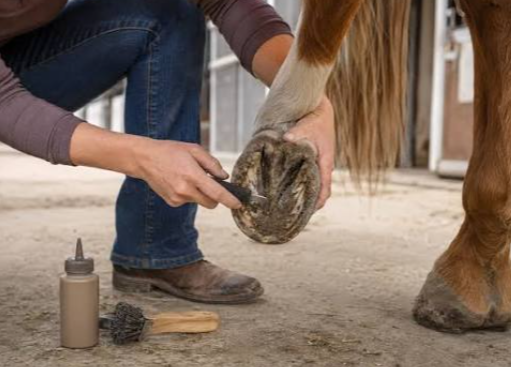
Before anything else, a thorough inspection of your horse’s hooves is essential. After riding, their hooves may accumulate dirt, gravel, and debris, which can lead to various issues if left unchecked. Start by picking out the hooves, working from the heel to the toe while ensuring not to injure the sensitive frog or sole. Regular hoof cleaning helps prevent thrush and other infections.
Once you’ve cleared the mud and debris, examine each hoof for any signs of damage or abnormalities. Look for cracks, chips, and unusual wear patterns. Early detection of issues will save you from more serious problems down the line. If you’re inexperienced in hoof inspection, don’t hesitate to consult a farrier for a second opinion.
-
- Pick out dirt and debris using a hoof pick.
-
- Inspect for signs of cracks, thrush, and abrasions.
-
- Clean the hooves with a soft brush if necessary.
-
- Monitor wear patterns for irregularities.
2. Moisture and Protection
Equally important is maintaining the proper moisture balance within the hooves. Too much moisture can lead to soft, weak hooves, while too little can cause cracking and dryness. Consider using a hoof conditioner or moisturizer after cleaning, especially in dry climates. These products help maintain hoof integrity and prevent excessive moisture loss.
It’s also vital to provide hoof protection after riding, particularly if your horse is frequently ridden on hard surfaces or rocky trails. Applying a hoof dressing can help shield the hooves from moisture fluctuations while promoting a healthy hoof environment. Always choose a product that suits your horse’s specific hoof condition.
-
- Use a quality hoof moisturizer or conditioner after cleaning.
-
- Apply hoof dressings to protect against environmental changes.
-
- Ensure your horse has access to clean water, which helps overall hoof hydration.
-
- Rotate the types of surfaces your horse walks on to promote balance.
3. Regular Farrier Visits
Routine farrier visits are fundamental to maintaining your horse’s hoof health. It’s typically recommended to schedule a visit every six to eight weeks, depending on how quickly your horse’s hooves grow. The farrier will assess the hooves and may trim or shoe them to keep them in optimal condition. Regular professional care can help identify issues you might overlook.
Establishing a good relationship with your farrier is critical. Communicate any concerns or observe any changes in your horse’s gait or behavior related to hoof discomfort. This information is invaluable for ensuring your horse’s feet are managed appropriately throughout its riding career.
-
- Schedule farrier appointments every 6-8 weeks.
-
- Track your horse’s hoof growth to anticipate visits better.
-
- Discuss any concerns with your farrier openly.
-
- Keep records of hoof health and farrier services to monitor progress.
4. Nutrition and Supplements for Hoof Health
What your horse eats can directly influence its hoof health. A balanced diet rich in vitamins and minerals is essential for strong, durable hooves. Key nutrients such as biotin, zinc, and omega fatty acids contribute to hoof strength and resilience. Incorporating hoof supplements into your horse’s diet can also provide extra support, especially for horses prone to hoof issues.
Pay attention to your horse’s feed and consider consulting with a veterinarian or an equine nutritionist for tailored dietary recommendations. Making sure your horse gets adequate vitamins and minerals can prevent many common hoof-related problems and ensure overall well-being.
-
- Offer a balanced diet rich in biotin and minerals.
-
- Consider hoof supplements as needed.
-
- Ensure consistent access to fresh pasture or high-quality hay.
-
- Monitor changes in the horse’s coat and energy levels as indicators of health.
In conclusion, after every ride, take the time to ensure your horse’s hooves are cared for properly. From cleaning and inspecting to nutrition and regular farrier visits, each step contributes to the long-term health of your horse. For the best results, don’t hesitate to seek professional advice tailored to your horse’s specific needs.