
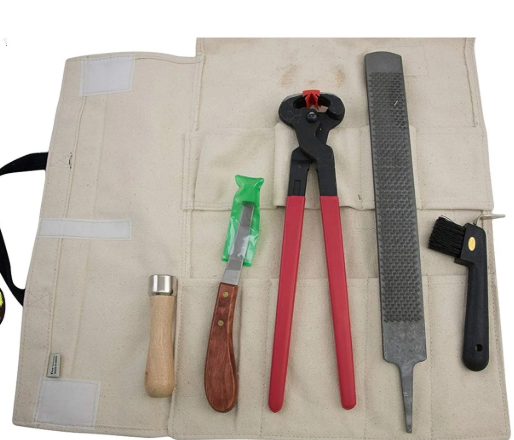
Taking care of your horse’s hooves is essential for their overall health and well-being. Having the right tools for hoof care can make the process more effective and enjoyable for both you and your horse. In this blog post, we will explore the essential tools you need for proper hoof care and how to use them effectively.
1. Hoof Pick
A hoof pick is an essential tool for every horse owner. It is designed to remove dirt, mud, and stones that can accumulate in a horse’s hooves. Regularly using a hoof pick can help prevent issues like thrush and lameness. When picking out your horse’s hooves, ensure you hold the pick correctly and gently scrape the hoof from back to front.
The best type of hoof pick depends on your preference and your horse’s specific needs. Some picks come with a brush on one end, making it easier to clean out the hoof. If your horse tends to be sensitive, consider a hoof pick with a softer grip, which can provide comfort when you’re working on their hooves.
-
- Choose a hoof pick with a sturdy handle for better grip.
-
- Always lift the horse’s hoof carefully; never put your hand under the hoof.
-
- Inspect the hoof thoroughly for any signs of nails or injuries.
-
- Clean the hoof at least once a week or more frequently if needed.
2. Hoof Knife
A hoof knife is an incredibly useful tool for trimming the edges of the hoof. This tool can help maintain the shape of the hoof and remove any dead tissue. When using a hoof knife, make sure you understand the anatomy of the hoof to avoid damaging sensitive areas. Proper usage involves gliding the knife along the hoof wall to remove any excess material gently.
You can find various types of hoof knives; some have a straight blade, while others are curved. A curved hoof knife is often more efficient for some horse owners as it allows for smoother cuts. Remember to regularly sharpen your hoof knife to ensure a clean cut and reduce the risk of injuring your horse.
-
- Use a hoof knife only if you are comfortable and knowledgeable.
-
- Always work on a secure footing; never rush the process.
-
- Check the blade for sharpness before each use.
-
- Keep the hoof in a natural position to avoid strain.
3. Nippers
Nippers are essential for trimming the hooves down and ensuring they don’t become overgrown. These tools function like large clippers and allow for better control when cutting thick hoof material. When using nippers, remember to cut from the side of the hoof, ensuring a smooth, even trim. This helps maintain the natural hoof shape and promote healthy growth.
When selecting nippers, look for a pair that feels comfortable in your hand. Heavy-duty nippers can handle tougher hooves, while lighter options may suffice for routine maintenance. Regularly inspect the cutting edge and have them sharpened as needed to maintain effectiveness.
-
- Trim hooves every 4–6 weeks to prevent overgrowth.
-
- Avoid cutting too much at once; take it slow and steady.
-
- Ensure the nippers are sharp and free from rust.
-
- Watch for changes in the hoof structure during trimming.
4. Frog Care Tool
A frog care tool is specifically designed to maintain the frog of the hoof, the V-shaped structure located on the underside. Proper care of the frog is vital, as it aids in shock absorption and circulation within the hoof. This tool enables horse owners to ensure that the frog is healthy and free from disease by allowing for precise cleaning and maintenance.
When using a frog care tool, gently scrape the edge of the frog and the associated regions, taking care not to injure sensitive tissues. Maintaining a healthy frog can prevent common hoof issues and contribute to your horse’s soundness and performance. Learning the anatomy of the hoof will help you use this tool effectively.
-
- Regularly inspect the frog for signs of infection or damage.
-
- Clean the frog gently to avoid causing discomfort.
-
- Monitor your horse’s movement for signs of discomfort.
-
- Consult with a farrier if you notice persistent problems.
5. Hoof Boots
Hoof boots serve as a protective measure for horses, especially those that work on rough terrain or have sensitive hooves. They provide cushioning and protect against stones and harsh surfaces. Hoof boots come in various sizes and materials; your horse’s specific needs will guide your choice. Always measure your horse’s hooves accurately to ensure a proper fit.
When using hoof boots, ensure they fit snugly but are not too tight, as improper fit can lead to chafing and discomfort. Regularly check the boots for wear and tear, as damaged boots won’t effectively protect your horse. You may also look into options designed for specific activities, such as trail riding or performance work.
-
- Choose the correct size for maximum comfort and protection.
-
- Check the boots after each ride for wear and tear.
-
- Follow manufacturer instructions for cleaning and maintenance.
-
- Gradually introduce your horse to using boots to prevent discomfort.
Caring for your horse’s hooves is an essential component of their overall health and performance. By utilizing the right tools and techniques, you can ensure your horse remains sound and happy. If you’re unsure about any of the processes, consider consulting a professional farrier to help you develop a routine tailored to your horse’s specific needs.