Understanding horse hoof pain is crucial for any horse owner or caregiver. Horses rely on their hooves for mobility, and pain can dramatically affect their well-being and performance. By recognizing the signs of hoof pain early, you can take proactive measures to ensure your horse remains healthy and happy.
1. Changes in Gait and Movement
One of the first signs of hoof pain is often a noticeable change in a horse’s gait. This may show up as limping, favoring one hoof, or reluctance to walk or trot. A horse in pain might also exhibit stiffness, particularly after periods of rest. If you notice these behaviors, it’s essential to closely monitor your horse’s movement patterns to differentiate between minor discomfort and serious issues.
Additionally, the horse may experience changes during workouts or while performing tasks it usually enjoys. For example, a horse who usually loves to gallop may suddenly resist doing so, or a horse that competes in shows may become hesitant before entering the ring. If you observe such changes, consulting a veterinarian can provide valuable insights.
-
- Watch for changes in speed or enthusiasm during rides.
-
- Record any specific movements that appear painful or awkward.
-
- Check for signs of stiffness during warm-ups.
-
- Monitor improvement after rest; any significant changes should be addressed.
2. Sensitivity or Reaction to Touch
If your horse displays increased sensitivity or reacts negatively when you touch its hooves, this is a significant indicator of pain. A horse may flinch, pull its foot away, or even snort when pressure is applied to the affected areas. These reactions can occur during routine hoof care like cleaning or shoeing, indicating that something might be wrong.
Moreover, horses may exhibit signs of distress or fear when their hooves are handled if pain is present. It’s crucial to approach hoof inspections gently and observe your horse’s body language closely. A horse that once stood calmly for hoof care and suddenly resists suggests a need for veterinary attention.
-
- Handle your horse’s hooves regularly to familiarize them with touch.
-
- Be mindful of any unusual reactions during hoof care.
-
- Look for signs of swelling or heat in the hooves.
-
- Consult a farrier about hoof sensitivity if it persists.
3. Changes in Hoof Condition
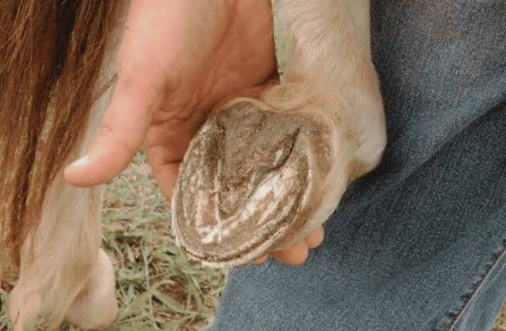
The condition of your horse’s hooves is an essential factor in diagnosing pain. Cracks, chips, or unusual wear patterns can indicate underlying issues that might cause discomfort. A healthy hoof should have a smooth, solid surface with no signs of decay or excessive wear. If you notice hollows, weak spots, or abnormal shapes, these could signal hoof pain.
In addition, the foot’s digital pulses can be checked for signs of inflammation. Strong digital pulses can indicate laminitis or other conditions that cause hoof pain. Regular hoof inspections help catch these issues early on, making it easier to manage your horse’s health and comfort.
-
- Inspect hooves regularly for cracks or abnormalities.
-
- Check the hoof walls for wear and strength.
-
- Monitor digital pulses to detect inflammation.
-
- Maintain a regular schedule with a qualified farrier.
4. Behavioral Changes and Discomfort
Behavioral changes can be a clear sign of hoof pain in horses. If your usually calm or social horse becomes irritable, aggressive, or withdrawn, it might indicate discomfort. Horses may also demonstrate signs of stress, such as repeated pawing or shifting weight from one leg to another, which signifies they are trying to alleviate their pain. It’s essential to take note of any drastic changes in temperament or behavior as they can provide clues to underlying issues.
Additionally, a horse in pain may show signs of discomfort while being saddled or ridden. For example, they might refuse to move or show signs of unease when the saddle goes on. These behavioral indicators should prompt immediate investigation to rule out any serious hoof issues.
-
- Observe your horse’s behavior for any unusual patterns.
-
- Keep a journal of any behavioral changes over time.
-
- Speak to trainers or caregivers about noticeable changes in temperament.
-
- Always check the saddle fit and equipment if issues arise during riding.
In conclusion, recognizing the signs of horse hoof pain is crucial for the health and happiness of your equine companion. Regular checks and consultations with professionals can ensure timely intervention and care. Don’t hesitate to reach out to your veterinarian if you notice any concerning symptoms; proactive measures can make a significant difference in your horse’s well-being.