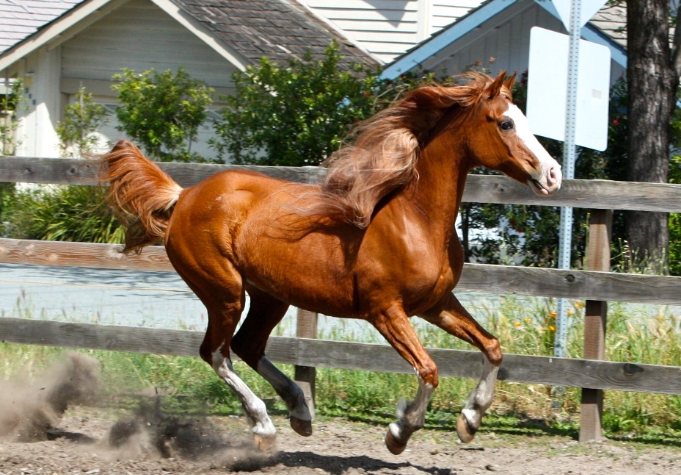
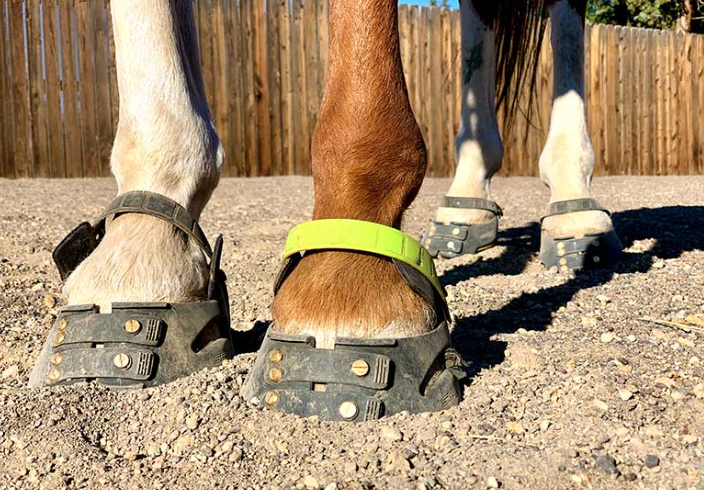
The debate between horseshoes and barefoot care for horses has been ongoing among equine experts, trainers, and enthusiasts alike. This topic holds significant implications for your horse’s health, performance, and comfort. Understanding the pros and cons of each option is essential for making informed decisions about your horse’s hoof care.
1. Understanding Horseshoes
Horseshoes are metal plates that are affixed to the underside of a horse’s hooves. Their primary purpose is to protect the hooves from excessive wear and to provide additional support during work or athletic activities. For horses that engage in rigorous activities like jumping or racing, shoes can offer much-needed traction and grip, which can prevent slips and subsequent injuries.
Moreover, horseshoes can be customized to address specific issues such as lameness or hoof deformities. For instance, therapeutic shoes might be designed to relieve pressure on certain areas of the hoof and aid in healing. Regular farrier visits are essential to ensure that the shoes fit properly and to avoid complications, such as thrush or laminitis, which can arise from improperly fitted shoes.
-
- Schedule regular farrier appointments every 6-8 weeks.
-
- Choose a style of shoe that meets your horse’s specific needs.
-
- Monitor your horse for any signs of irritation or discomfort.
-
- Ensure the shoes are correctly fitted to prevent injuries.
2. Benefits of Going Barefoot
Going barefoot refers to not using horseshoes and allowing horses to roam and exercise without metal attachments. One of the primary benefits of barefoot care is that it permits the hoof to function naturally, promoting better circulation and healthier hoof growth. Horses often adapt to their environment, which can enhance their overall strength and resilience against various terrains.
Additionally, riding or working barefoot can improve your horse’s proprioception, which is the awareness of their body and its movements in space. Many experts argue that when a horse is allowed to move freely without shoes, they develop stronger hoof walls and better muscle tone, contributing to a more agile and mobile animal. Just like with shoes, regular maintenance is essential in a barefoot system, which typically involves trimming every 4-6 weeks.
-
- Gradually transition your horse to barefoot by allowing them more time on varied terrain.
-
- Consult a professional equine podiatrist for tailored advice.
-
- Regularly trim hooves to maintain balance and shape.
-
- Monitor for signs of stone bruises or other discomfort.
3. Assessing Your Horse’s Needs
Every horse is unique, and their hoof care needs can vary based on multiple factors such as age, breed, activity level, and environmental conditions. Therefore, it’s crucial to assess your horse’s individual needs before deciding between shoes and going barefoot. For example, some breeds, such as Thoroughbreds, may have hooves that are more prone to injury when unshod due to their high activity levels.
Another critical factor is the terrain where the horse will spend most of its time. If your horse will be primarily on hard, rocky surfaces, shoes may be necessary for protection. On the other hand, if your horse is primarily on soft grass or a sandy arena, going barefoot could be perfectly suitable, provided their hooves are healthy and strong.
-
- Evaluate your horse’s activity level and type of workload.
-
- Consider the footing of your riding area or pasture.
-
- Consult your veterinarian to assess hoof health.
-
- Monitor changes in your horse’s behavior that may indicate discomfort.
4. Costs and Considerations
The costs associated with hoof care can vary widely between horseshoes and barefoot care. Horseshoeing can be more expensive due to the cost of the shoes and frequent farrier visits for fitting and adjustments. In contrast, barefoot care may initially seem more economical; however, investing in regular trims and possibly supplements to support hoof health can increase costs as well.
It’s also worth examining the long-term implications of your choice. Horses that experience discomfort from improperly fitted shoes may face additional vet costs due to injuries or complications. On the other hand, transitioning to barefoot can sometimes involve a period of adaptation, where your horse may need special attention to adjust to the lack of shoes.
-
- Research local farrier rates and costs for shoes vs. trims.
-
- Budget for additional hoof care products or supplements if going barefoot.
-
- Factor in veterinary consultations for ongoing health assessments.
-
- Consider the long-term impacts on both your horse’s health and your finances.
In conclusion, whether to shoe your horse or allow them to go barefoot is a significant decision that requires careful thought and professional advice. By considering the individual needs of your horse and consulting with professionals, you can make an informed choice that supports their overall health and performance. Take time to observe your horse and consult your vet or farrier for expert guidance on the best path forward.