Overgrown hooves can lead to discomfort and health issues for horses if not addressed promptly. Proper hoof care is vital for their overall well-being and performance. Here’s a comprehensive guide on how to fix and manage overgrown hooves effectively.
1. Understanding Overgrown Hooves
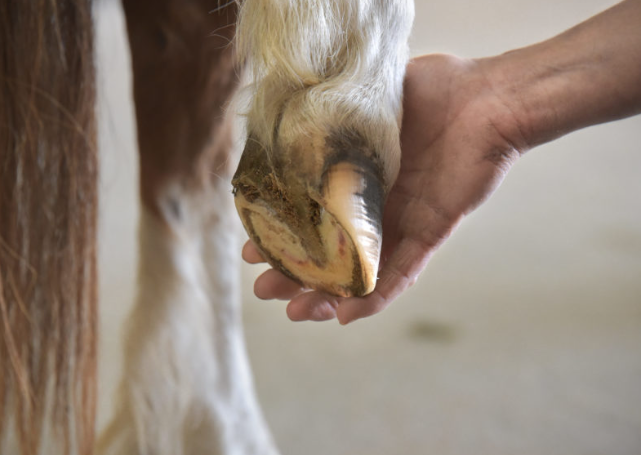
Overgrown hooves occur when regular trimming is neglected, leading to an imbalance that can cause pain and lameness. Factors contributing to overgrown hooves include lack of exercise, improper diet, or insufficient hoof care. Recognizing the signs early on is crucial for intervention.
Common signs of overgrown hooves include elongated digital cushions, uneven wear, and cracking. Regular inspections can aid in identifying these issues before they escalate. If your horse’s hooves appear excessively long, it’s essential to take action immediately to avoid further complications.
-
- Inspect hooves regularly for signs of overgrowth.
-
- Look for uneven wear and cracks.
-
- Address dietary needs that promote healthy hoof growth.
-
- Ensure the horse is getting regular exercise.
2. Proper Trimming Techniques
Trimming is critical in maintaining healthy hooves, and it should be done every 6–8 weeks, depending on the horse’s growth rate. The process involves cutting away excess hoof wall, cleaning the frog, and balancing the hoof to ensure even weight distribution. Learn to recognize the natural angles of the hoof to prevent future growth problems.
If you’re inexperienced, consider consulting a farrier or taking a trimming course. The first session may involve more significant trimming to restore balance, but follow-up sessions will focus on maintenance. It’s important to use the right tools—such as hoof knives, nippers, and rasps—for effective trimming.
-
- Use appropriate tools for trimming.
-
- Take care to maintain proper angles and balance.
-
- Be cautious not to cut too close to the sensitive structures.
-
- Consider hiring a professional farrier for best results.
3. Maintaining Healthy Hoof Growth
After addressing the immediate issue of overgrown hooves, maintaining healthy hoof growth is the next step. A balanced diet rich in essential nutrients will support hoof health. Key ingredients include biotin, methionine, and zinc, all of which aid in promoting strong, resilient hooves.
In addition to a nutrient-rich diet, ensure your horse has adequate access to clean drinking water and exercise. Regular movement naturally files down hooves and prevents excessive growth. Monitoring your horse’s body condition and overall health will also contribute to proper hoof development.
-
- Feed a balanced diet with hoof-healthy supplements.
-
- Ensure ample access to clean water.
-
- Encourage regular exercise to help wear down hooves naturally.
-
- Monitor body condition and adjust diet as necessary.
4. Identifying and Addressing Underlying Issues
Sometimes, overgrown hooves are symptomatic of underlying health issues such as laminitis or other metabolic disorders. It’s essential to assess your horse’s overall health when dealing with hoof problems. If overgrowth is persistent despite regular trimming and care, consult a veterinarian for a detailed examination.
Also, consider environmental factors that may contribute to hoof problems, such as wet conditions or inappropriate footing. Providing a dry, clean living environment will reduce the risk of infections and encourage proper hoof growth. Keep an eye out for changes in your horse’s behavior that may indicate pain or discomfort.
-
- Consult a veterinarian for persistent hoof growth issues.
-
- Assess your horse’s living conditions for improvements.
-
- Watch for signs of pain or discomfort in movement.
-
- Keep records of your horse’s hoof care routine.
Fixing and maintaining healthy hooves is essential for the long-term happiness and well-being of your horse. By implementing a regular hoof care routine, addressing nutritional needs, and monitoring for medical issues, you can keep your horse comfortable and performing at its best. Consult a professional for tailored advice, and stay proactive in maintaining your horse’s hoof health.