Mud and wet conditions can pose significant challenges for horse owners, particularly when it comes to hoof care. Understanding how to maintain equine hoof health during muddy seasons is crucial to preventing problems that can lead to serious issues.
1. Understanding Mud’s Impact on Hoof Health
Mud can be detrimental to horse hooves, promoting conditions like thrush and other bacterial infections. When hooves sit in damp conditions, moisture can penetrate the hoof wall and lead to soft, weakening structures. Bacteria thrive in these wet environments, exacerbating foot problems and potentially causing lameness.
Moreover, horses with pre-existing hoof issues such as cracks or laminitis may experience heightened risks during muddy conditions. They may require special attention to ensure their hooves can withstand challenging weather. Regular assessments and a solid understanding of the hoof’s condition can help owners mitigate risks effectively.
-
- Inspect hooves daily for signs of damage or infection.
-
- Maintain cleanliness in the paddock to reduce mud accumulation.
-
- Consider using hoof dressing or protective products.
-
- Provide adequate shelter to minimize exposure to wet conditions.
2. Routine Hoof Care Practices
Establishing a consistent hoof care routine is essential to keep your horse’s hooves healthy, especially during muddy seasons. Regular trimming by a qualified farrier can ensure that the hooves are shaped correctly, reducing the risk of cracks and other issues. Knowing when to trim or shoe is essential, particularly when soft ground conditions may necessitate a change in routine.
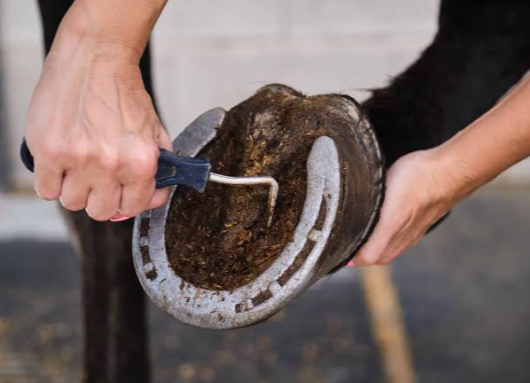
In addition to trimming, daily hoof cleaning can prevent the buildup of dirt and debris that may harbor bacteria. Use a hoof pick to effectively remove mud, stones, and manure. Routine cleaning can be incorporated as part of your daily grooming, making it easier to monitor for any signs of infection.
-
- Schedule regular farrier visits (at least every 6-8 weeks).
-
- Use a hoof pick daily to clean the hooves.
-
- Apply hoof conditioner for moisture balance.
-
- Keep detailed records of hoof conditions and any treatments applied.
3. Nutritional Considerations for Healthy Hooves
A horse’s diet significantly influences hoof health. Providing a balanced diet with the right nutrients can reinforce hoof strength and resilience against environmental stressors like mud. Biotin, a B-vitamin, is particularly essential as it supports keratin production, which strengthens hooves. Consulting with an equine nutritionist can help tailor the diet to meet specific hoof health needs.
In addition to vitamins, ensuring your horse has access to a mineral-rich salt block is also key. Minerals such as zinc and copper support overall hoof quality. Furthermore, providing adequate hydration is essential, as water intake is crucial for overall health, including hoof integrity.
-
- Incorporate biotin-rich supplements into the diet.
-
- Ensure access to mineral-rich salt blocks.
-
- Monitor overall hydration and feed quality.
-
- Consult a nutritionist for tailored feeding programs.
In conclusion, keeping your horse’s hooves healthy during muddy conditions involves daily care, regular professional attention, and a balanced diet. Emphasizing these aspects will help you ensure optimal hoof health, even in challenging environments. Don’t hesitate to consult a professional if you notice anything unusual or have concerns about your horse’s hoof care routine!