Maintaining proper stable hygiene is essential for ensuring the overall health of your horse. One crucial aspect of this hygiene is hoof care, which directly impacts a horse’s mobility and performance. In this blog post, we will explore the connection between stable hygiene and hoof health, offering actionable insights for horse owners.
1. Understanding the Relationship Between Stable Hygiene and Hoof Health
A clean stable is vital for the well-being of your horse. The accumulation of dirt, urine, and manure can lead to an unhealthy environment that encourages hoof-related issues. When stalls aren’t cleaned regularly, horses are exposed to pathogens that can cause infections, such as thrush or abscesses. Understanding this correlation is the first step towards fostering better hoof health.
Additionally, a well-maintained stable reduces stress for your horse. Horses are creatures of habit and feel more secure in a clean, organized environment. Reduced stress can lead to better overall physical health, including sounder hooves. Maintaining discipline in these practices can pay dividends in the long run.
-
- Clean your horse’s stall daily to prevent waste buildup.
-
- Check for and remove wet bedding that can harbor bacteria.
-
- Ensure proper ventilation to minimize moisture.
-
- Organize feed and supplies to limit pests.
2. Regular Cleaning and Its Benefits
Regular cleaning routines play a significant role in hoof health. When you consistently remove muck and debris from your horse’s environment, you decrease the likelihood of hoof infections. This is particularly important in wet or muddy conditions, as moisture can soften hooves and make them more susceptible to injury and disease.
Moreover, regular cleaning enables you to keep an eye on your horse’s hooves for any signs of trouble. A clean environment makes it easier to identify issues such as cracks, chips, or signs of thrush early on. Early detection is key in minimizing potential health risks and ensuring a faster recovery.
-
- Establish a daily cleaning schedule for stalls and paddocks.
-
- Inspect hooves during each cleaning session for potential issues.
-
- Keep grooming tools and supplies organized and accessible.
-
- Change bedding regularly to avoid bacterial growth.
3. The Role of Nutrition in Hoof Health
Stable hygiene extends beyond just cleaning; it includes providing proper nutrition to promote hoof health. Nutrients such as biotin, zinc, and omega-3 fatty acids are critical for strong, healthy hooves. An equine diet that lacks these essential nutrients may result in brittle or weak hooves, leading to various ailments. Always consult with a veterinarian or equine nutritionist to tailor a feeding plan that meets your horse’s specific needs.
Additionally, hydration plays a crucial role in maintaining hoof integrity. A well-hydrated horse is less likely to suffer from dry, cracked hooves. Ensuring access to clean water, especially during hot weather, is essential for overall equine health and hoof wellness.
-
- Include hoof-healthy supplements in your horse’s diet.
-
- Consult a professional for a tailored nutritional plan.
-
- Provide consistent access to clean water to ensure hydration.
-
- Monitor any changes in appetite or behavior as they can indicate dietary deficiencies.
4. Routine Hoof Care and Maintenance
In addition to stable hygiene and nutrition, routine hoof care is crucial. Regular trimming and shoeing (if needed) help to maintain the proper structure and function of hooves. Depending on your horse’s activity level, hooves should be trimmed every 4 to 8 weeks on average. Regular visits from a qualified farrier can prevent many hoof problems that arise from overgrown or improperly balanced hooves.
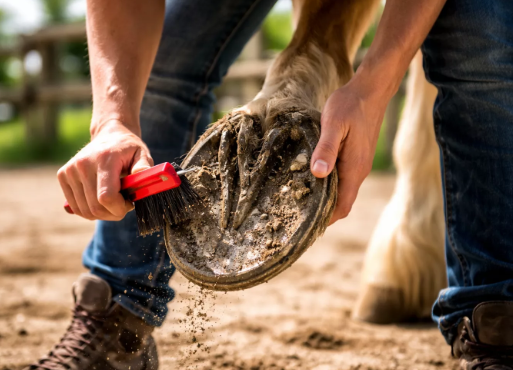
It’s important to learn how to examine your horse’s hooves between farrier visits. Look for signs of separation, soreness, or unusual growth patterns. Becoming more observant can alert you to problems early on, allowing for timely intervention and treatment.
-
- Schedule regular farrier appointments based on your horse’s needs.
-
- Learn to pick out your horse’s hooves to check for rocks or debris.
-
- Pay attention to your horse’s gait; limping can indicate hoof issues.
-
- Document any changes in hoof appearance or health for discussion with your farrier.
By understanding the interconnectedness of stable hygiene, nutrition, and regular hoof care, horse owners can take proactive steps to ensure their horse’s hoof health. These strategies can lead to a happier, healthier horse that performs optimally. If you’re unsure about any aspect of hoof care, don’t hesitate to consult a professional for guidance.