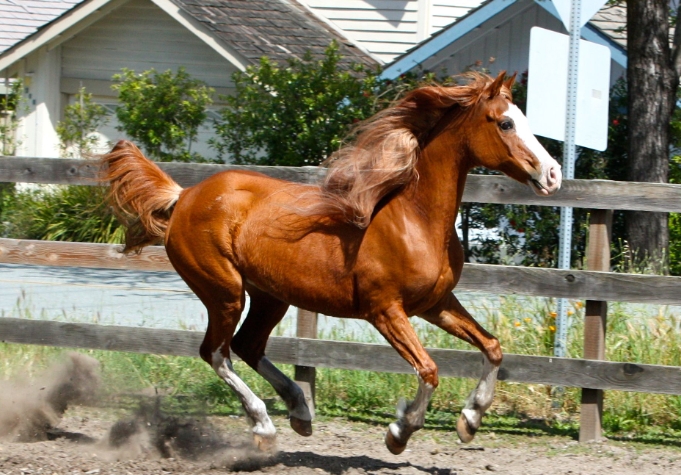
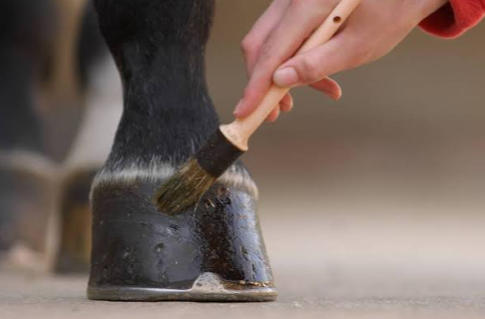
Summer brings sunshine, green pastures, and a host of activities for horse owners and their equine companions. However, the warm weather also necessitates diligent hoof care to ensure your horse remains healthy and active. A solid understanding of summer hoof care can protect your horse’s hooves from heat, moisture, and the various challenges that come with the season.
1. The Effects of Hot Weather on Hoof Health
In summer, the heat can lead to dry, brittle hooves, which may crack and lead to serious problems. High temperatures can cause the hoof wall to lose moisture, making it more susceptible to injury. Constant exposure to hot ground can also lead to conditions like founder or laminitis, particularly in horses that may be sensitive to changes in their environment or diet.
It’s crucial to monitor your horse’s hooves closely during the hot months. Regular inspections can help catch problems before they escalate. Look for cracks, chips, or changes in the texture of the hoof wall, as well as signs of discomfort or difficulty walking.
-
- Check hooves daily for cracks or chips.
-
- Observe your horse’s movement and overall comfort level.
-
- Ensure your horse is well-hydrated, particularly in the heat.
-
- Consider hoof conditioners or moisturizers during dry spells.
-
- Avoid excessive work during the hottest parts of the day.
2. The Importance of Proper Hoof Trimming
Regular hoof trimming is essential for maintaining healthy hooves, especially during summer months when growth can be accelerated. Horses typically need their hooves trimmed every 6 to 8 weeks, but some may require more frequent visits depending on their lifestyle, diet, and environment. Neglecting regular trims can lead to distorted hoof growth, making your horse more prone to lameness or discomfort.
During a trim, your farrier will not only shorten the hoof wall but also ensure that the hoof is properly balanced and that the frog and sole are healthy. A well-trimmed hoof can better manage the heat and maintain moisture levels, thus protecting against summer-related issues.
-
- Schedule regular trims every 6 to 8 weeks.
-
- Communicate with your farrier about your horse’s specific needs.
-
- Inspect hooves after trimming to check for any signs of imbalance.
-
- Maintain a routine to keep your horse accustomed to the trimming process.
-
- Consider specialized shoes if your horse is working on hard ground.
3. Keeping Hooves Clean and Dry
One of the most critical aspects of hoof care during the summer is ensuring that hooves remain clean and dry. Mud and moisture can lead to infections such as thrush, a condition that affects the frog and can cause severe pain and lameness. Keeping your horse’s living area clean and providing dry ground for them to roam can make a significant difference.
Additionally, be cautious about the water your horse may encounter, such as ponds or streams. While these may seem like enjoyable places for a drink, stagnant water can harbor bacteria. Regular hoof cleaning after rides, especially after crossing wet areas, can also help in the prevention of ailments.
-
- Clean hooves daily, especially after work or play.
-
- Remove manure and wet bedding from your horse’s living area.
-
- Consider using bedding that wicks moisture away.
-
- Monitor any changes in hoof odor; a foul smell can indicate thrush.
-
- Provide fresh, clean water to avoid stagnant sources.
4. Nutrition’s Role in Hoof Health
The condition of your horse’s hooves can be significantly influenced by their diet. A balanced diet rich in essential nutrients like biotin, zinc, and omega fatty acids can help maintain strong, healthy hooves. Horses that are fed a diet high in sugary grains or low in quality forage may experience hoof issues more frequently.
Consult with a veterinarian or an equine nutritionist to evaluate your horse’s dietary needs. Sometimes, a simple grain supplement or hoof conditioner can provide the necessary nutrients to promote healthier hoof growth and resilience during summer heat.
-
- Provide a balanced diet rich in vitamins and minerals.
-
- Consider hoof supplements if necessary.
-
- Consult a nutritionist for tailored dietary advice.
-
- Avoid overfeeding sugary grains; opt for quality forage.
-
- Monitor your horse’s weight and health throughout the summer.
5. Recognizing Signs of Hoof Trouble
It’s essential to be vigilant about recognizing signs of hoof issues early. Symptoms like heat in the hooves, excessive sweating, abnormal hoof shape, and reluctance to move can indicate underlying problems that may need immediate attention. Early diagnosis and intervention can save your horse from further pain or more serious conditions.
Use a systematic approach when overseeing hoof care. If you notice something unusual, don’t wait for it to improve on its own. Regular communication with your farrier and vet will ensure any emerging issues are addressed promptly and effectively.
-
- Check each hoof for heat and swelling daily.
-
- Observe your horse’s gait for any changes or stiffness.
-
- Keep a diary of hoof health issues to track progress.
-
- Request professional evaluations if you see signs of concern.
-
- Educate yourself about common hoof ailments.
Taking proactive steps in your horse’s summer hoof care can make all the difference in maintaining their overall health and performance. By understanding the challenges presented by the warm weather and implementing a structured care routine, you can enjoy a safe and enjoyable summer with your horse. Don’t hesitate to consult a professional if you notice any issues to keep your equine partner happy and healthy.