Draft horses, with their impressive size and strength, offer unique insights into body mass and balance that can greatly inform the art of sculpture design. Understanding the physiological characteristics of these majestic animals is crucial not only for accuracy but also for the artistic representation of strength and grace in sculpture.
1. The Physical Characteristics of Draft Horses
Draft horses are bred for their tremendous size and muscle mass, typically weighing between 1,200 to 2,200 pounds. This body mass is balanced by their sturdy frames, which often include a broad chest, thick neck, and strong limbs. Artists must capture this balance in their sculptures, ensuring that the musculature reflects the horse’s powerful build while maintaining a sense of grace and fluidity.
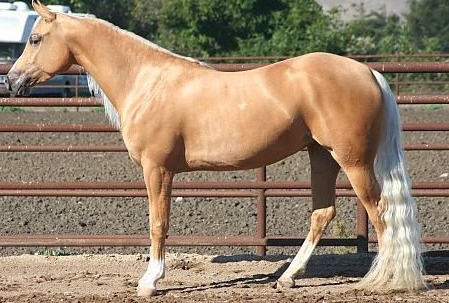
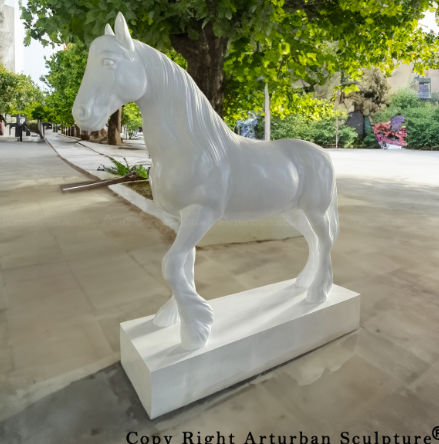
When sculpting a draft horse, one must pay particular attention to the proportions. The head should not be too large or too small compared to the body; it should reflect the breed’s specific characteristics such as its short, wide muzzle and expressive eyes. The balance between body and limbs is equally crucial; artists should aim to depict the horse in a natural stance, whether standing to attention or in motion, to accurately convey its strength and vigor.
-
- Study the anatomy of draft horses to understand key muscle groups.
-
- Take reference photos from multiple angles to grasp the horse’s dimensions.
-
- Practice sketching to capture the dynamic balance of the body.
-
- Observe live models to better understand movement and posture.
2. The Role of Balance in Sculpture Design
Balance in sculpture is essential for not only aesthetic appeal but also structural integrity. A sculpture that lacks balance can appear awkward or unstable, undermining the intended representation of the draft horse. Artists should strive to achieve a center of gravity that mirrors that of the real animal, which is typically located near the front of the withers. This knowledge can influence the pose and the material choices in the sculpture.
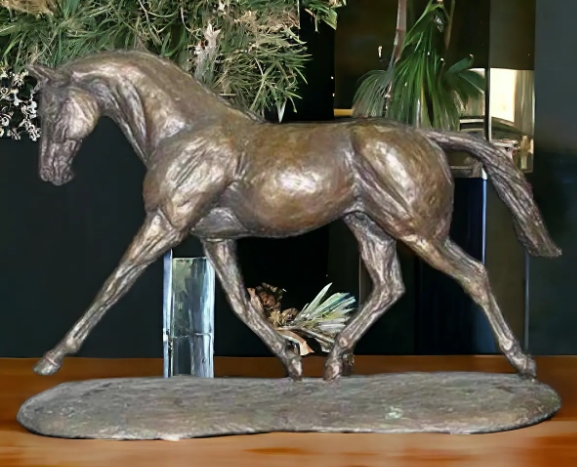
Moreover, balance is affected by the distribution of mass throughout the sculpture. For instance, when depicting a draft horse in motion, the weight should be visually shifted toward the leg that is bearing the most weight. Maintaining this visual balance will ensure the sculpture feels lifelike and dynamic, drawing viewers into its representation of action.
-
- Consider the center of gravity when planning the sculpture’s pose.
-
- Experiment with different materials to see how they affect balance.
-
- Use supportive structures if necessary to maintain stability.
-
- Engage with other artists to gain feedback on the balance of your design.
3. Techniques for Capturing Body Mass in Sculpture
To effectively represent the mass of a draft horse in a sculpture, you can employ various techniques. First, choose materials that lend themselves well to creating defined shapes and robust structures. Clay, for instance, can help in forming the rounded muscles, while bronze has the ability to capture finer details and textures that showcase mass.
Additionally, layering techniques can help in illustrating the horse’s muscular build. By building volume through layered forms and textures, you can create a realistic depiction of the thick skin and powerful muscles typical in draft horses. A combination of smooth surfaces and rough textures can also add a sense of realism to the horse’s body.
-
- Experiment with different materials for various effects.
-
- Utilize layering techniques to create depth and realism.
-
- Incorporate textures to emphasize muscle structure and skin.
-
- Regularly step back from your work to evaluate mass and volume.
4. The Influence of Proportions on Perception
Proportions play a vital role in the viewer’s perception of a draft horse sculpture. Artists need to understand that slight deviations from natural proportions can impact how strength and mass are interpreted. For instance, overly exaggerated features can evoke emotions related to power or grace, depending on the artist’s intent.
A stunning example can be found in historical sculptures that emphasize the massive build of draft horses to symbolize hard work and reliability. The proportions observed in these works often reflect the societal values associated with these animals, such as industriousness. Thus, artists are encouraged to consider the emotional narrative they wish to convey through their proportions.
-
- Study classical sculptures for insights into effective proportions.
-
- Use digital modeling tools to experiment with size ratios.
-
- Keep in mind the narrative you want to convey with proportions.
-
- Seek feedback from peers or mentors on proportion choices.
Creating sculptures that depict draft horses requires a deep understanding of their body mass and balance. Artists can significantly elevate their work by paying close attention to the physical characteristics, balance, and proportions that define these magnificent creatures. Don’t hesitate to seek further education or mentorship to refine your skills and capture the essence of draft horses in your art.