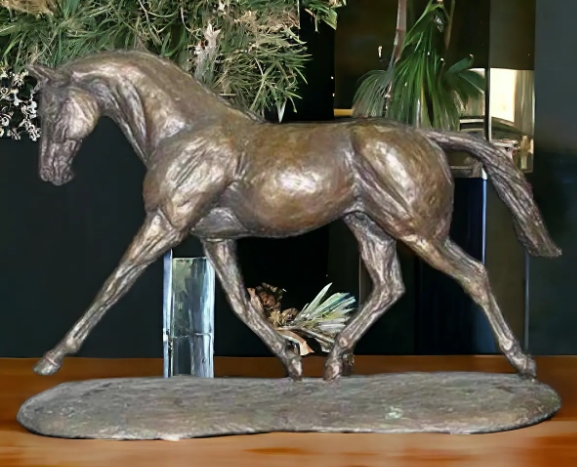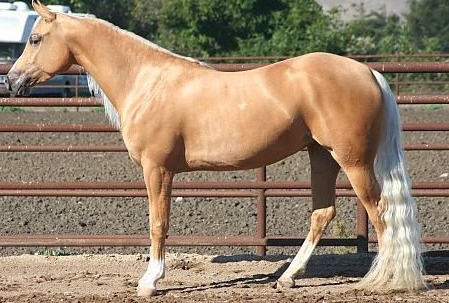
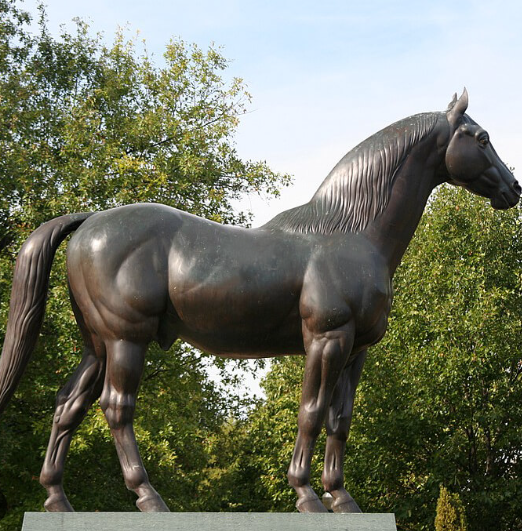
Draft horses have been a part of human history for centuries, serving various roles from work on farms to competing in competitions. Today, their robust size and majestic stature make them particularly suitable for large outdoor sculptures. This blog post will delve into why draft horses make excellent subjects for sculpture, discussing their physical attributes, historical significance, and how to approach creating art inspired by them.
1. Physical Attributes of Draft Horses
One of the standout characteristics of draft horses is their impressive size. Most draft horse breeds, such as Clydesdales and Percherons, stand between 16 and 20 hands tall and can weigh over 2,000 pounds. This formidable presence allows them to dominate outdoor spaces, making them ideal for large sculptures that are meant to capture attention and evoke admiration. Additionally, their muscular build and thick necks offer artists ample opportunities to display strength and grace in various poses.
Draft horses also exhibit a variety of coat colors and patterns, ranging from solid blacks and browns to fantastically dappled coats. These variations can inspire unique approaches to outdoor sculptures, as artists can portray different breeds in lifelike detail. When crafting large sculptures, understanding the physical dimensions of these animals helps ensure that proportions are realistic, allowing for a more authentic representation that resonates with the viewer.
-
- Research different draft horse breeds for inspiration.
-
- Consider the scale of your sculpture relative to the size of a draft horse.
-
- Study the anatomy of draft horses for accurate proportions.
-
- Choose materials that can withstand outdoor elements and showcase details.
-
- Incorporate dynamic poses to convey movement and power.
2. Historical Significance and Cultural Impact
Draft horses have played significant roles in agricultural development, industrial work, and transportation, particularly before the advent of modern machinery. Their historical importance can elevate the cultural value of a sculpture, connecting viewers to a shared history with these animals. For example, Clydesdales are not only known for their strength but also for their historical ties to Scottish agriculture, making them a meaningful subject for artistic representations.
In many cultures, draft horses symbolize strength, endurance, and a deep connection to land and labor. This cultural significance can be explored through artistic choices such as the materials used, pose, and accompanying elements that narrate a story. Creating a sculpture that captures this essence can evoke nostalgia and appreciation for the roles these horses have played in society.
-
- Incorporate historical elements in your sculpture design.
-
- Use materials that reflect the cultural significance of draft horses.
-
- Research local historical contexts to enrich your piece.
-
- Engage with communities to gather stories about draft horses.
-
- Consider integrating multimedia aspects to enhance storytelling.
3. Techniques for Sculpting Draft Horses
When approaching the sculpting of a draft horse, one must choose the right techniques to ensure success. Traditional sculpting methods, such as clay modeling or stone carving, can help capture the animal’s strong presence. However, contemporary sculptors might also explore alternative materials like metal or wood to create more abstract representations that focus on movement and form.
Dedicating time to study not just the physique of the horse but also its behavioral traits will aid in portraying emotion and vitality in your sculpture. For example, depicting a draft horse in mid-gallop can evoke feelings of freedom and strength, while a sculpture capturing a resting horse might convey calmness and dignity. This careful consideration of pose and material will ensure your piece resonates with onlookers both visually and emotionally.
-
- Practice with clay or other malleable materials before committing to your final piece.
-
- Sketch different poses to visualize how best to capture the horse’s character.
-
- Choose materials that complement the intended aesthetic of your sculpture.
-
- Experiment with textural contrasts to reflect the draft horse’s coat.
-
- Seek out critiques from fellow artists to refine your techniques.
4. Location and Environmental Considerations
When planning to create large outdoor sculptures of draft horses, the location plays a crucial role in visibility and impact. Finding a site that allows adequate space to showcase the sculpture while considering natural lighting conditions can enhance its appeal. A well-placed sculpture can become a focal point in a park, farm, or community space, inviting greater interaction from the public and enhancing community aesthetics.
Moreover, the environmental elements can significantly affect the longevity and maintenance of the sculpture. Outdoor artworks are subject to weather conditions such as rain, sun, and wind; therefore, choosing durable materials that can withstand these elements is essential. Planning for routine maintenance, such as cleaning and protective coatings, will ensure that the sculpture retains its beauty and cultural significance over time.
-
- Scout potential locations for outdoor visibility and audience engagement.
-
- Analyze sunlight exposure at different times of the day.
-
- Research weather-resistant materials suitable for outdoor installations.
-
- Plan for maintenance schedules to protect your sculpture.
-
- Engage with local authorities when installing large outdoor pieces.
In conclusion, drafting an effective large outdoor sculpture based on draft horses requires understanding their physical attributes, cultural history, and suitable techniques. By combining this knowledge with thoughtful planning and material choices, artists can create meaningful pieces that resonate with audiences. If you’re considering a project like this, consult with fellow artists and professionals to inspire your creativity and bring your vision to life.