The Clydesdale draft horse is renowned for its impressive stature, gentle nature, and striking appearance. With their unique feathering and distinctive gait, these majestic creatures have gained admiration in various equine and farming communities. Let’s delve deeper into the fascinating aspects of their feathering and gait that set them apart from other horse breeds.
1. Understanding Clydesdale Feathering
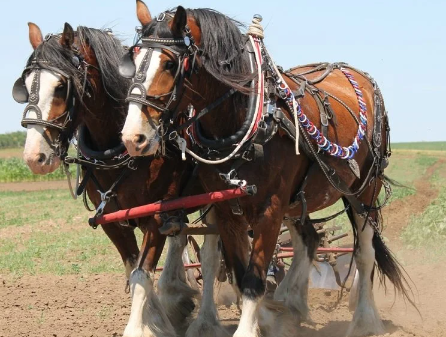
Feathering refers to the long hair that grows around the lower legs of certain horse breeds, and Clydesdales are among the most notable. This feature not only enhances their beauty but also serves practical purposes, such as protection against harsh weather conditions. The feather is thick and fluffy, requiring regular grooming to maintain its health and appearance. It is common to see this feathering extending down to the hooves, creating a dramatic and elegant look while showcasing the horse’s strength.
Maintaining the health of Clydesdale feathering is essential. Regular grooming helps to remove dirt and debris that can accumulate in the feathers, preventing skin irritation and infections. Additionally, you may notice that the feathering can change with seasons; it tends to grow thicker in the winter for protection and may reduce during the warmer months. Therefore, owners should adapt their grooming routines based on the season to ensure optimal feather condition.
-
- Groom regularly to remove dirt and debris.
-
- Check for skin irritation or infections beneath the feathers.
-
- Use a soft brush specifically designed for feathered horses.
-
- Consider using a detangler to manage tangled hair.
-
- Monitor changes in feathering due to seasonal changes.
2. The Unique Gait of Clydesdales
Clydesdales have a distinctive gait that sets them apart from many other horse breeds. Their movement is often characterized as a “lifting action” which showcases their powerful hindquarters and impressive strides. The walking pace can be both smooth and relaxed, making them suitable for various activities, from pulling heavy loads to participating in parades. Their natural ability to maintain a steady trot also allows for very efficient movement when working long hours on farms.
A key aspect of Clydesdales’ gait is their high-stepping motion, which many enthusiasts find appealing. This action not only adds to their graceful appearance but also enhances their visibility during parades or exhibitions. Performers often train Clydesdales to emphasize this high-stepping gait for visual impact, resulting in a captivating sight that exhibits their strength and elegance. Understanding this unique gait can also help owners to better care for the horses’ physical condition and performance.
-
- Observe your Clydesdale’s natural gait regularly.
-
- Incorporate exercise routines that support their muscle development.
-
- Consult with a trainer on best practices for showing off their gait.
-
- Provide proper hoof care to maintain an optimal gait.
-
- Encourage natural movement through balanced training methods.
3. Care Considerations for Feathering and Gait
Proper care for a Clydesdale’s feathering and gait involves consistent practices that promote their overall health. Daily grooming is essential not just for aesthetics but also for the horse’s well-being. Regularly checking their legs for injuries or abnormalities can help to prevent more serious issues down the line, especially given the increased risk associated with their long leg hair.
Furthermore, maintaining their muscle strength and coordination is vital for supporting their unique gait. This is best achieved through a balanced exercise routine that includes not only riding but also groundwork and driving practices. Keeping a check on their diet, along with adequate hydration, is also crucial in supporting muscle and joint health, thereby enhancing their strong and graceful movement.
-
- Establish a daily grooming routine focusing on feathers and legs.
-
- Regularly inspect legs for any signs of injury.
-
- Implement a balanced exercise routine incorporating various activities.
-
- Monitor diet for optimal muscle health and hydration.
-
- Consult with a vet for tailored care strategies.
In conclusion, the Clydesdale draft horse’s distinctive feathering and gait are crucial elements of its charm and utility. By understanding and caring for these features, horse owners can ensure their Clydesdales remain healthy and vibrant. Whether you’re finishing up feeding, grooming, or planning their exercise, be sure to cherish the unique qualities that make Clydesdales truly extraordinary.