The Belgian Draft Horse, known for its impressive stature and strength, has a rich history that is interwoven with agricultural practices in Belgium and beyond. Understanding its origins and physical traits not only highlights its importance in farming but also emphasizes its versatility today.
1. A Glimpse into Belgian Draft Horse History
The Belgian Draft Horse has roots that trace back to medieval times in Belgium, probably descending from several breeds, including the Flemish horse. Initially bred by monks in the region for work in agriculture, these horses were crucial for plowing fields and pulling heavy loads. The breed gained recognition during the 19th century as industrialization increased the need for strong horses, leading to selective breeding for enhanced size and strength.
During the late 1800s, Belgian Draft Horses were exported to the United States and other countries, where they made a significant impact on farming practices. Their strength made them ideal for heavy agricultural work, and they soon became popular in industries requiring robust equine support. In competitions, Belgian Drafts garnered attention for their massive build and friendly demeanor, further elevating their status and appeal.
-
- Research the origins of different draft breeds.
-
- Visit local farms or equestrian events to learn more about these horses.
-
- Join a community of horse enthusiasts for networking opportunities.
-
- Read historical accounts detailing the evolution of draft horses.
2. Distinct Physical Traits of the Belgian Draft Horse
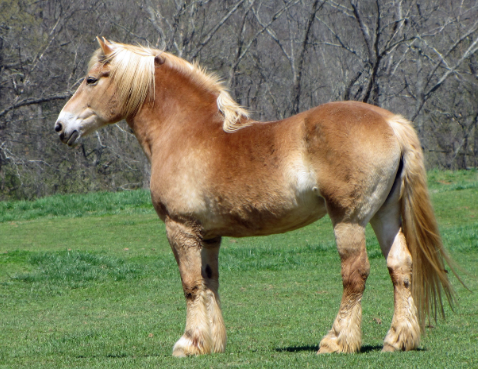
The Belgian Draft Horse is renowned for its formidable size and muscular build. Adult males typically weigh between 2,000 to 2,200 pounds and stand around 16.2 to 17 hands tall, while females, though slightly smaller, are still quite substantial. Their broad, powerful bodies are complemented by strong legs designed for heavy lifting, making them excellent for pulling plows, wagons, and even firefighting equipment.
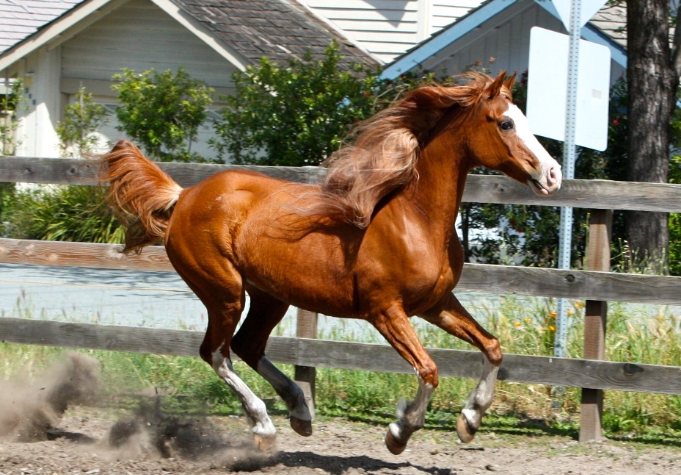
In terms of coloration, Belgian Draft Horses often showcase a striking chestnut coat, with some exhibiting white markings or shades ranging from dark bay to even roan. Their gentle disposition adds to their charm, making them not just workhorses but also excellent companions in various equestrian disciplines. Their broad heads and calm eyes reflect both their intelligence and their friendly temperament, traits that endear them to owners and handlers alike.
-
- Learn about the different color variations in Belgian Draft Horses.
-
- Observe their movements to better understand their physical capabilities.
-
- Explore grooming techniques specific to their thick coats.
-
- Consult an equine veterinarian to discuss health specifics of heavy breeds.
3. Modern Uses and Care of Belgian Draft Horses
Today, Belgian Draft Horses are utilized in various capacities beyond traditional farm work. They are often featured in parades, exhibitions, and even as therapy animals, demonstrating their adaptability. Their strength is still apparent in agricultural settings, especially for sustainable farming practices requiring horsepower instead of machinery. Organizations dedicated to draft horse welfare also focus on ensuring these robust animals receive proper care and training.
Caring for a Belgian Draft Horse involves more than just food and shelter. It is essential to provide routine veterinary check-ups, proper nutrition tailored to their large size, and opportunities for regular exercise to maintain their health. They thrive on social interaction and consistent training sessions to keep their minds engaged, making it crucial for owners to establish a strong bond with their horses.
-
- Develop a regular feeding and grooming schedule.
-
- Ensure plenty of exercise in a safe environment.
-
- Maintain routine health checks with a vet.
-
- Participate in training programs or clinics to learn proper handling techniques.
-
- Foster a loving environment for your horse to enhance its well-being.
The Belgian Draft Horse stands as a testament to centuries of breeding and careful management, showcasing both majesty and capability. With their gentle nature and impressive abilities, they remain invaluable in various modern roles. For anyone interested in learning more, taking steps to engage with these magnificent horses can lead to rewarding experiences and friendships.