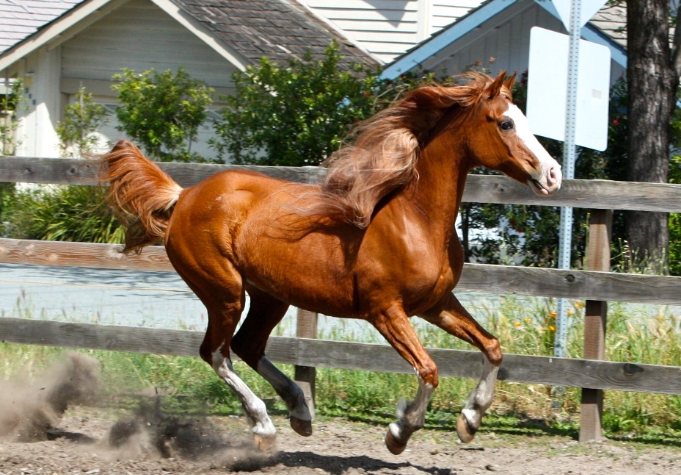
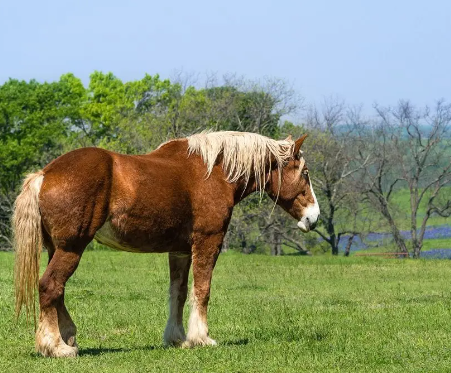
The genetic traits of draft horses have had a lasting influence on many modern horse breeds. Originally developed for strength, endurance, and heavy work, draft horses contributed qualities that remain highly valued in riding, sport, and working horses today.
1. Strength and Muscular Build
Draft horses such as the Clydesdale, Percheron, Belgian, and Shire were bred for pulling heavy loads and performing demanding farm work. As a result, they developed powerful muscles, broad frames, and strong bone structure.
These traits continue to influence many modern breeds, contributing to physical strength, athleticism, and durability.
- Study the conformation of different horse breeds
- Select horses with balanced muscular development
- Maintain proper exercise and nutrition
- Match physical structure to intended activities
2. Calm Temperament and Trainability
Draft horses are widely known for their gentle and steady temperaments. Their calm nature made them reliable work animals and continues to benefit breeds that carry draft ancestry today.
This temperament is especially valuable in therapeutic riding, family riding programs, and situations requiring patience and trust.
- Spend time evaluating horse temperament
- Use consistent and calm training methods
- Build trust through groundwork exercises
- Look for breeds known for reliability and adaptability
3. Hardy Health and Resilience
Draft horses were developed to work in challenging weather and demanding environments, which contributed to strong resilience and physical hardiness.
Modern breeds influenced by draft genetics may benefit from improved durability, stronger immune systems, and the ability to adapt to varied climates and workloads.
- Maintain regular veterinary care
- Provide balanced nutrition for long-term health
- Use thoughtful breeding strategies
- Ensure proper shelter and environmental care
4. Versatility in Performance
Draft horse genetics have contributed to versatility across many equestrian disciplines. Horses with draft influence may excel in trail riding, driving, ranch work, dressage, jumping, and recreational riding.
Their combination of strength, calmness, and endurance makes them suitable for a wide range of riders and activities.
- Explore breeds known for multi-discipline ability
- Train gradually across different skills
- Attend clinics to build versatility
- Evaluate strengths and limitations regularly
5. Improved Stamina and Endurance
Although draft horses are associated with power, they were also bred for sustained labor over long periods. This endurance remains valuable in modern horses used for distance riding, ranch work, and demanding performance activities.
Careful conditioning and proper management help develop these natural stamina traits further.
- Use gradual conditioning programs
- Monitor recovery and fitness levels
- Adjust feeding to support energy needs
- Include long-distance work in training routines
The legacy of draft horses continues to shape modern equine breeding through strength, temperament, resilience, versatility, and endurance. Understanding these inherited traits can help riders and breeders make more informed choices when selecting and training horses.
At heritage farms, equestrian centers, or rural museums, a draft horse statue often stands as a tribute to these enduring qualities, honoring the generations of powerful horses that helped shape agriculture, transportation, and modern horse breeding.