Understanding draft horse harness types and traditional equipment is essential for safe, efficient work with these powerful animals. The right harness supports comfort, distributes weight properly, and helps the horse perform tasks without unnecessary strain.
1. The Basics of Draft Horse Harness
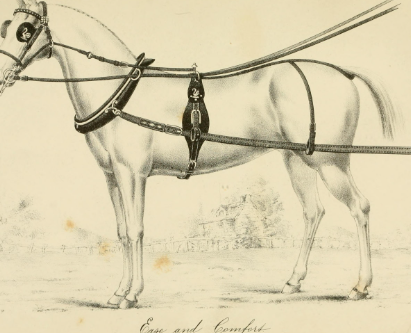
A draft horse harness includes several key components, such as the collar, hames, traces, saddle, breeching, and reins. Each part helps distribute force, control movement, and connect the horse safely to the load.
The collar rests around the horse’s neck and shoulders, allowing it to pull with strength. Hames secure the collar, while traces connect the harness to the wagon, plow, or other equipment.
- Ensure the collar fits snugly without rubbing
- Check hames for sharp edges or damage
- Inspect traces for wear and weakness
- Ask an experienced handler to confirm fit
- Adjust equipment after each use
2. Various Types of Draft Horse Harnesses
Different harnesses are designed for different forms of work. A farm harness is suited for fieldwork and moderate hauling. A logging harness is stronger and built for heavy pulling in rough terrain. A work harness is versatile and often used for wagons, carts, and general draft tasks.
Choosing the correct harness helps prevent injury and improves performance.
- Match the harness to the job
- Consider the horse’s size and strength
- Inspect all parts before use
- Ensure components are compatible
- Learn from experienced draft horse handlers
3. Traditional Draft Horse Equipment
Traditional equipment includes singletrees, doubletrees, evener bars, yokes, wagons, sleds, and plows. These tools help transfer pulling force from the horse to the load while keeping movement balanced and controlled.
A singletree is commonly used for one horse, while a doubletree allows two horses to work together. Proper use of this equipment helps distribute effort evenly and protects the animals from strain.
- Learn the purpose of each equipment piece
- Use equipment suited to the task
- Maintain wooden and metal parts regularly
- Train horses gradually with new gear
- Seek guidance before heavy pulling work
Working with draft horses requires knowledge, patience, and respect for the animal’s comfort and safety. Proper harnessing and traditional equipment use can make farm work, hauling, and demonstrations more effective and humane.
In barns, heritage farms, or agricultural museums, a draft horse sculpture can serve as a tribute to these animals’ strength, service, and enduring role in rural traditions.