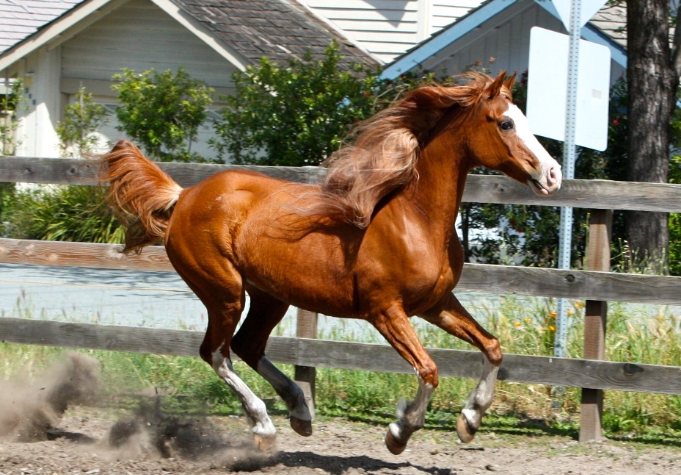
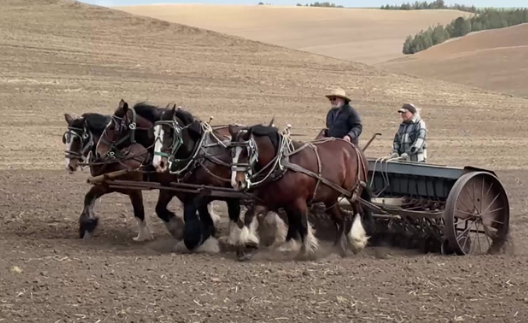
Draft horses have played an integral role in the history of agriculture and transportation, particularly in rural communities. As urbanization increases, the preservation of rural heritage becomes increasingly important, and draft horses remain symbols of this vital culture.
1. The Historical Significance of Draft Horses
Draft horses were once the backbone of agricultural production in rural communities. Breeds like the Clydesdale, Percheron, and Shire were used to plow fields, haul heavy equipment, and transport goods. Their strength and reliability made them indispensable for farm work, and this history is vital to understanding rural heritage. Many local festivals and fairs still celebrate these horses, emphasizing their historical importance.
In addition to their contributions to agriculture, draft horses were also used in urban settings for transporting heavy materials or goods. Cities relied on these horses before the advent of motor vehicles, and their presence is a testament to a simpler time when communities relied on animal power. Preserving the stories and traditions surrounding draft horses helps maintain a connection to the past, fostering a sense of identity within rural communities.
-
- Visit local museums that feature agricultural history to learn more about draft horses.
-
- Attend fairs or events that showcase draft horse exhibitions.
-
- Read up on different breeds of draft horses and their specific roles in history.
-
- Connect with local historical societies to participate in educational programs.
2. Draft Horses in Modern Agriculture and Tourism
While the advent of technology has changed the landscape of agriculture, draft horses are experiencing a revival in certain areas. Many farms are now using them for sustainable practices that rely on their natural abilities while minimizing carbon footprints. Horses can perform tasks in a low-impact manner, such as plowing, tilling, and logging, making them valuable assets for eco-friendly farming.
Moreover, the presence of draft horses is increasingly popular in agritourism. Many farms offer visitors an opportunity to interact with these gentle giants through rides, working farm experiences, or even workshops to learn about traditional farming techniques. This not only provides a source of income but also facilitates a deeper understanding of rural practices and the agricultural heritage they embody.
-
- Explore farms that offer hands-on experiences with draft horses.
-
- Consider sustainable farming practices that incorporate draft horses.
-
- Participate in workshops or classes to learn about traditional farming techniques.
-
- Support local agritourism to help in preserving rural heritage.
3. Conservation Efforts and Community Involvement
Preserving the draft horse lineage is critical for both agricultural diversity and cultural heritage. Various organizations have sprung up to promote the conservation of draft horse breeds facing the threat of extinction. These organizations often provide resources for breeders, farmers, and hobbyists to ensure a continuous effort in maintaining the genetic diversity and strength of draft horses.
Community involvement plays a crucial role in the conservation efforts surrounding draft horses. Local organizations often host events where people can learn about the history and significance of these horses, as well as the best practices for their care and handling. Engaging the community ensures that the knowledge of draft horse heritage is passed on to future generations.
-
- Engage with local conservation organizations dedicated to draft horse breeds.
-
- Participate in educational events that focus on horse care.
-
- Consider adopting or fostering a draft horse if possible.
-
- Advocate for local programs that promote the heritage of draft horses.
In conclusion, draft horses are more than just working animals; they’re a vital part of rural heritage preservation. By learning about their history, participating in agritourism, and getting involved in conservation efforts, we can help ensure that these magnificent creatures remain a part of our agricultural landscape for generations to come. Embrace this heritage through exploration and action in your community!