Draft horses are majestic creatures known for their strength and size. For artists, understanding their anatomy and proportions is crucial for creating realistic and captivating representations. This blog post explores essential aspects of draft horse anatomy and offers helpful tips for artists looking to improve their skills.
1. Overview of Draft Horse Anatomy
Draft horses are generally characterized by their robust bodies, short legs, and powerful muscular builds. Their anatomy includes several key components, such as a broad chest, strong neck, and sturdy limbs, which contribute to their ability to perform heavy work. The sheer size of these horses—often weighing between 1,600 to 2,200 pounds—demands careful attention to detail when artists depict them.
Understanding the skeletal structure is equally important. A draft horse’s skeleton supports its mass and influences the horse’s overall proportions. The skull is broad and flat, while the rib cage is deep and rounded. By familiarizing oneself with these details, artists can create more accurate forms that capture the essence of draft horses.
-
- Study photographs from multiple angles to get a sense of proportions.
-
- Practice drawing skeletal structures to better understand the underlying anatomy.
-
- Observe live horses in various movements to grasp their muscular dynamics.
-
- Use reference materials like books or videos focused on horse anatomy.
2. Key Proportions and Measurements
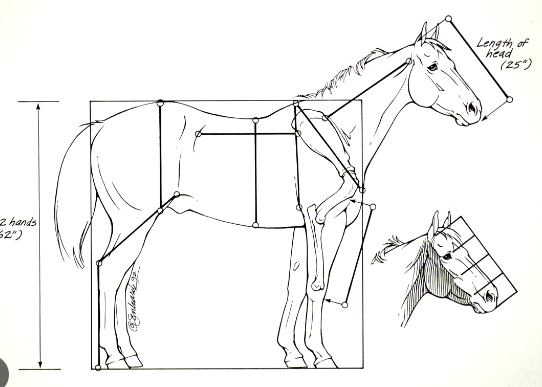
When depicting draft horses, understanding the key proportions and measurements can significantly enhance your artwork. Generally, the height at the withers—where the neck meets the back—serves as a critical reference point. Draft horses typically measure between 14.2 to 18 hands, with one hand equivalent to 4 inches. This height can help you establish the dimensions and scale in your compositions.
Another important proportion involves the length of the horse’s body versus its height. The body length from the point of the shoulder to the point of the hip can help maintain a realistic ratio. For instance, a well-proportioned draft horse’s body is usually about 1.5 times its height at the withers, which is useful when sketching the horse’s overall structure.
-
- Measure using a ratio of 1.5:1 for body length to height.
-
- Use a grid system to maintain proper proportions in your drawings.
-
- Focus on creating a balanced figure, paying attention to body shape and mass.
-
- Practice sketching various sizes and breeds of draft horses for versatility.
3. Muscular Development and Movement
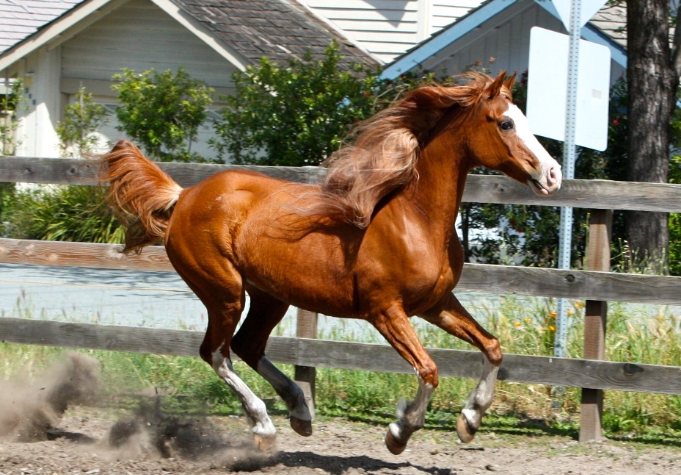
One of the remarkable features of draft horses is their muscular development, which plays a vital role in their movement. Unlike lighter horse breeds, draft horses possess a thickset musculature that aids in pulling and carrying heavy loads. The neck, shoulder, and hindquarters are especially muscular, providing the power needed for labor.
To capture the essence of draft horses in motion, artists should study their gait nuances. Draft horses typically move with a broad, steady stride, which can be depicted through dynamic lines and shading. Paying attention to how muscles engage during various movements—such as trotting or cantering—will help you produce artwork that feels alive and energetic.
-
- Analyze the horse’s movements by observing them in natural settings.
-
- Focus on the engagement of muscles during different gaits.
-
- Experiment with gesture drawing to capture their dynamic poses quickly.
-
- Utilize reference videos to understand movement more thoroughly.
4. Unique Features and Variations
Draft horses come in various breeds, each with unique features and characteristics. Breeds like the Clydesdale, Percheron, and Belgian display differences in coat color, feathering on their legs, and even facial structures. Understanding these variations allows artists to create distinct portrayals that resonate with horse enthusiasts and lovers alike.
While rendering details, pay close attention to the specific markings and coat types of the horses you choose to depict. For instance, the flowing mane and tail of a Clydesdale contrast beautifully against the more solid build of a Belgian. Not only do these differences add character to your artwork, but they also enrich your understanding of horse anatomy as a whole.
-
- Research the various draft horse breeds to find your inspiration.
-
- Focus on the unique attributes of each breed when sketching.
-
- Incorporate elements like feathering and coat patterns into your artwork.
-
- Network with horse owners or enthusiasts to gain firsthand insights.
In conclusion, mastering draft horse anatomy and proportions will significantly enhance your artistic abilities. By incorporating these insights into your practice, you’ll improve both the accuracy and expressiveness of your work. Don’t hesitate to expand your knowledge further by engaging with professionals or exploring additional resources related to equine anatomy.