For artists looking to capture the majestic beauty and strength of draft horses, understanding their walking and pulling poses is essential. These powerful animals exhibit unique forms and movements that can be both challenging and rewarding to depict. This blog post will guide you through various poses that can enhance your artistic skills.
1. Understanding the Anatomy of Draft Horses
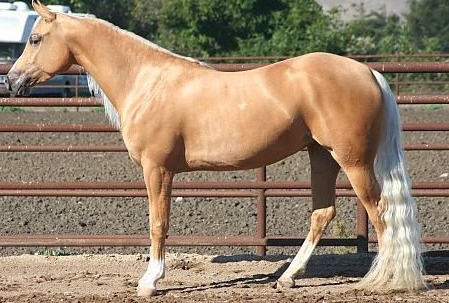
Before diving into specific poses, it’s important to grasp the anatomy of draft horses. These animals are characterized by their large size, muscular build, and distinctive bulk. Unlike lighter horse breeds, draft horses usually have broader chests and stronger joints, which allows them to carry and pull heavy loads. Familiarity with these anatomical features can help artists render more realistic and dynamic representations.
Additionally, the way muscle groups interact when a draft horse is in motion is critical. For example, when a draft horse walks, its powerful hindquarters propel the body forward, while the front legs help balance the weight. Observing the interplay between these muscle groups can alert the artist to capture the horse’s movement accurately, allowing for more fluid and lifelike illustrations.
-
- Study the muscle structure through diagrams or model horses.
-
- Observe live horses or video footage for real-time movement.
-
- Sketch quick studies focusing on different muscle groups in motion.
-
- Use reference photos to understand proportions and posture.
2. Dynamic Walking Poses
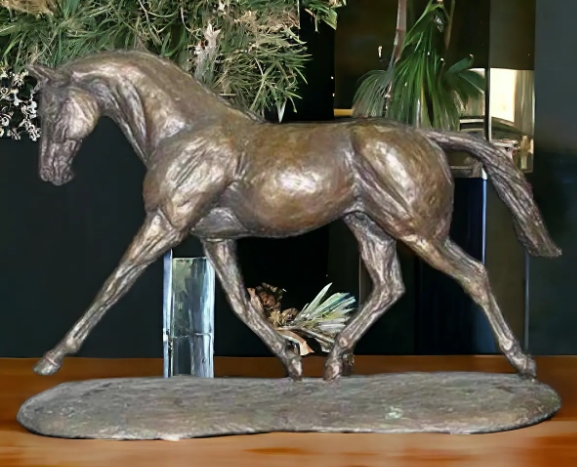
Draft horses exhibit a distinctive gait that is both powerful and graceful. When walking, they showcase a four-beat rhythm where each foot hits the ground at separate intervals. This gait allows them to cover ground effectively while still maintaining balance. When capturing a horse in a walk, pay attention to the head’s movement and the natural sway of the tail, which can add energy to your artwork.
Another engaging aspect of a walking pose is the positioning of the legs. The front legs typically lift higher than the hind legs, which can create visual interest and depth. Consider using a variety of angles to depict this movement, from a side view revealing the rhythm of the limbs to slightly tilted perspectives that emphasize their strength. Watching real-time footage or live horses can help you see the subtleties of movement that can enrich your artwork.
-
- Capture the horse’s entire body in motion for a dynamic composition.
-
- Focus on the placement of hooves for realistic footfall.
-
- Experiment with different perspectives to enhance depth.
-
- Incorporate elements like flowing manes or tails to suggest movement.
3. Powerful Pulling Stances
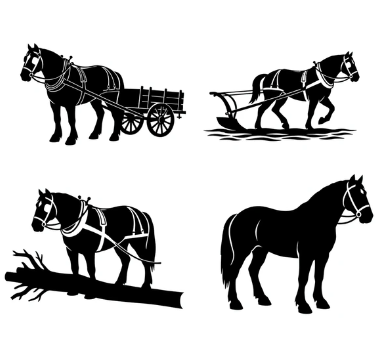
When drafting horses are engaged in pulling, their posture significantly changes to accommodate the weight they are managing. This pose highlights their incredible strength, positioning their hindquarters lower to the ground while leaning slightly forward. Capturing a pulling pose requires a keen eye for showcasing the immense muscle definition, particularly in the rear legs and shoulders, as these are actively engaged in the effort.
Another essential element in depicting a pulling stance is the harness and equipment used. Understanding how the harness fits onto the horse can inform how you portray the tension in the muscles while pulling. The angle of the neck and the tilt of the head can also add drama and realism to your artwork. Observing these aspects in real-life situations can dramatically enhance your ability to create compelling images.
-
- Study harness placements and how they affect the horse’s posture.
-
- Sketch the horse in different stages of pulling for varied compositions.
-
- Focus on the muscle tension and overall strength in the rear quarters.
-
- Use props or staging to visualize pulling scenarios in your sketches.
4. Emotional Expressions in Draft Horses
Like any animal, draft horses express a range of emotions through their posture, ears, and eye movements. Understanding the emotional context of a horse’s pose can greatly enhance your work. For instance, a horse in a relaxed walking position might have ears tilted slightly forward, while a pulling horse may exhibit a focused expression, with ears pinned back and wide eyes. Recognizing these nuances can help artists convey a deeper narrative in their artwork.
To accurately capture these emotional states, consider spending time with draft horses in various settings. Observe how they interact with their environment and handlers, as this will enrich your renderings. In your artwork, using a mixture of soft lines and bold strokes can help illustrate the gentleness or power inherent in these majestic creatures. Putting effort into understanding their emotional language will add another layer of depth to your art.
-
- Spend time observing horses in their natural environment.
-
- Practice drawing faces to capture varied expressions.
-
- Utilize props like saddles or tack to enhance emotional context.
-
- Experiment with color and shading to convey mood and atmosphere.
In conclusion, capturing the essence of draft horses in walking and pulling poses takes practice, observation, and an understanding of their anatomy and emotions. By utilizing the tips and techniques outlined in this post, you will enhance your artistic approach and create stunning representations of these magnificent animals. Don’t hesitate to engage with real horses or extensive reference materials to continue honing your skills!