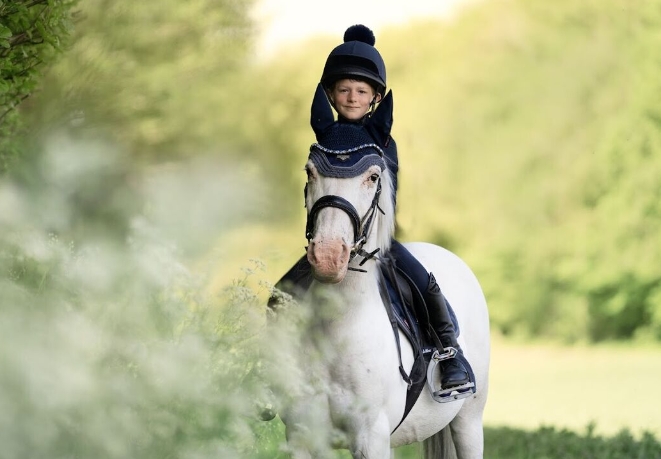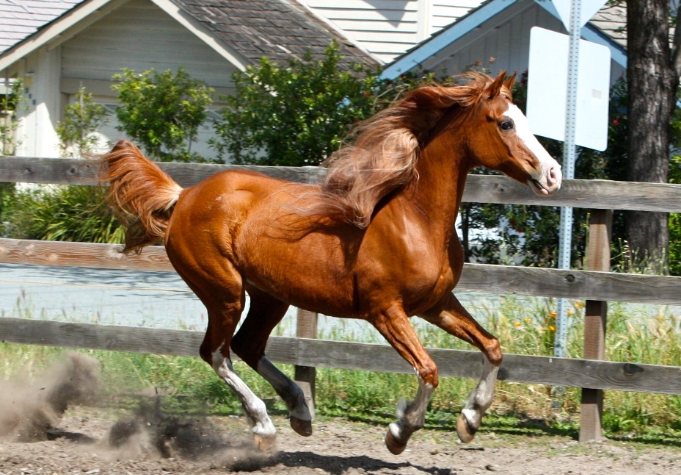
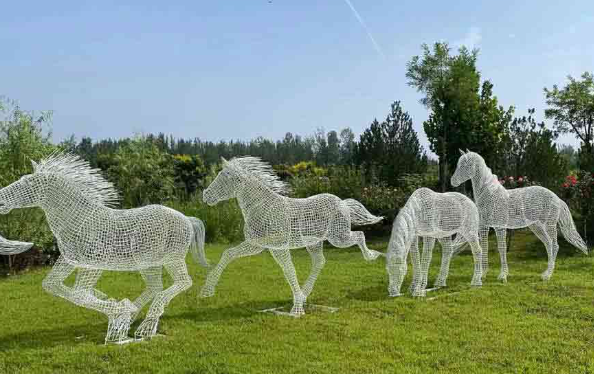
Draft horses have long been admired for their strength and beauty, but modern interpretations have transformed these magnificent animals into captivating works of art. Stainless steel sculptures offer a unique medium that enhances their elegance while igniting a conversation about artistry and craftsmanship. This blog explores the world of draft horse stainless steel sculptures, revealing how these modern interpretations are redefining artistic expression.
1. The Allure of Stainless Steel in Art
Stainless steel is a remarkable material choice for sculpture due to its durability and contemporary appeal. Artists find it particularly compelling not just for its aesthetic qualities but also for its versatility. This metal can be polished to a mirror finish or allowed to develop a natural patina, providing artists with a broad spectrum of creative options. With these qualities, artists can capture the grace and power of draft horses in an entirely new light.
Furthermore, stainless steel sculptures are often created using advanced techniques such as welding, bending, and polishing. This combination allows artists to depict intricate details, from the muscles of a horse to the softness of its mane. By using stainless steel, they can create pieces that are not only visually striking but also evoke a sense of motion and vitality, mirroring the life of the equine they represent.
-
- Explore different finishes—mirror, brushed, or weathered—for unique effects.
-
- Consider the scale of your sculpture; larger pieces create a more dramatic impact.
-
- Incorporate motion—designing sculptures that suggest movement engages viewers.
-
- Use contrasting materials, like wood or glass, to enhance the steel’s appeal.
2. Contemporary Artists Redefining Draft Horse Sculptures
Numerous contemporary artists are making waves in the world of draft horse sculptures with their innovative approaches. One notable example is the work of Robert Hudson, whose whimsical interpretations draw attention not just to the form, but the spirit of the horse. His sculptures often blend abstract elements with realistic portrayals, encouraging viewers to reflect on the horse’s role in human culture and history.
Another artist worth mentioning is Charles G. Duffy, who specializes in large outdoor installations. Duffy’s sculptures invite viewers to engage with the artwork from different perspectives, creating a dynamic viewing experience. His ability to incorporate environmental elements into his designs—like using natural landscapes to complement the steel—adds a layer of complexity that enriches the overall impact of the piece.
-
- Research artists who specialize in draft horse sculptures for inspiration.
-
- Visit galleries or exhibitions to view sculptures in person.
-
- Engage with artists through social media to learn about their creative processes.
-
- Consider commissioning a piece that resonates with your personal experience or connection to draft horses.
3. The Significance of Draft Horse Sculptures in Cultural Context
Draft horses have been integral to agriculture and transportation, representing hard work and dedication. The revival of interest in draft horse sculptures reflects a cultural appreciation for these magnificent animals, reminding us of their historical importance. Art serves as a medium to honor this legacy, inviting modern communities to engage with these themes in a moving way.
Additionally, these sculptures often address themes of endurance and resilience, mirroring human experiences. By showcasing the power and grace of draft horses, artists provide commentary on shared values such as strength, loyalty, and perseverance. These artistic interpretations can resonate deeply with viewers, sparking a connection that goes beyond mere aesthetics.
-
- Consider how draft horse sculptures can represent cultural heritage in your community.
-
- Engage with local artisan shops to promote awareness of equine art.
-
- Host discussions or workshops about the relevance of draft horses in history.
-
- Incorporate elements of storytelling in showcases to deepen the cultural narrative.
4. Tips for Collecting Draft Horse Sculptures
Weighing the decision to collect art can be as daunting as it is exciting. When it comes to draft horse stainless steel sculptures, there are several key points to keep in mind that will enhance your collection. Collectors should focus on understanding artists’ backgrounds, as their unique perspectives can significantly influence the value and meaning of the artwork.
It is also valuable to consider the space where you intend to display the sculpture. Scale, placement, and lighting are all critical factors that can either enhance or detract from the piece. Collectors should aim for a cohesive aesthetic in their surroundings, ensuring that each artwork contributes positively to the overall ambiance.
-
- Establish a budget to guide your collecting decisions.
-
- Seek out trustworthy galleries or exhibitions specializing in equine art.
-
- Ask for provenance and information on the artist when acquiring a piece.
-
- Evaluate how the sculpture complements your existing decor and personal style.
-
- Network with other collectors to gain insight on trends and emerging artists.
5. The Future of Draft Horse Art in Stainless Steel
The future of draft horse stainless steel sculptures looks promising as new technologies continue to emerge. Artists are experimenting with 3D printing and digital fabrication, allowing for more intricate designs and innovative shapes. This evolution opens doors for limitless creativity, setting the stage for dramatic new works that push the boundaries of traditional sculpture.
Environmental consciousness is also becoming more relevant in the art world. Artists are increasingly incorporating sustainable practices in their work, using recycled materials or ensuring their processes minimize waste. This trend not only speaks to contemporary values but also enriches the narrative of each piece, making it more engaging for collectors and viewers alike.
-
- Stay current with technological advancements in sculpture creation.
-
- Follow galleries that emphasize eco-friendly practices and materials.
-
- Participate in forums or workshops discussing futurism in art.
-
- Encourage artists to explore innovative approaches to traditional themes.
In conclusion, the transformation of draft horse stainless steel sculptures offers a dynamic representation of artistry and culture. As you explore the fascinating world of these interpretations, consider reaching out to local artists or galleries to foster your appreciation further. Whether you’re a collector or an admirer, engaging with this art form can lead to a richer understanding of not just the sculptures themselves, but the profound history they encapsulate.