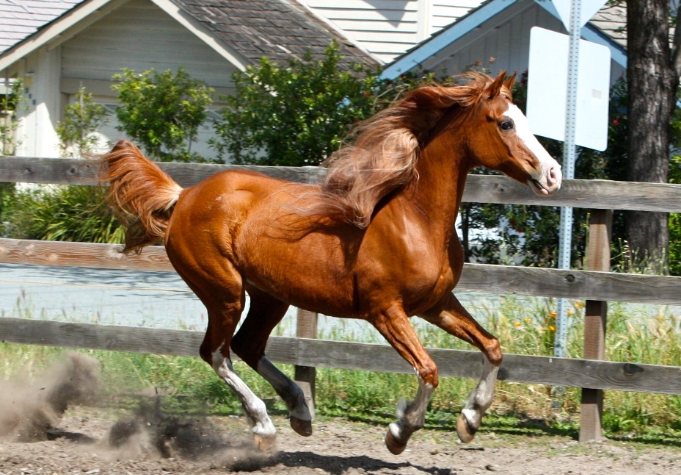
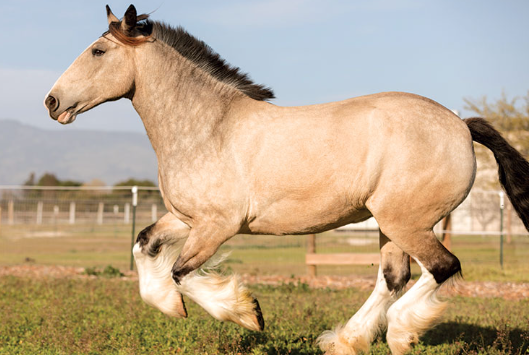
Draft horses have a rich history, serving humans in various capacities from agricultural work to transportation. Today, their influence is evident in modern heavy horse crossbreeds, which combine the strength and temperament of draft breeds with various other equine characteristics. Understanding this influence can help horse enthusiasts make informed decisions about breeding and training.
1. Characteristics of Draft Horses in Crossbreeding
Draft horses, like the Clydesdale and Percheron, are known for their substantial size and muscle. These characteristics make them an appealing choice for breeders looking to produce heavy horse crossbreeds. When crossed with lighter breeds, the offspring often inherit a robust frame capable of greater endurance and strength, which is ideal for both work and recreational purposes.
Moreover, draft horses typically possess calm temperaments, which can positively influence their crossbred offspring. A well-crossed draft horse may be easier to handle, making them suitable for novice riders or those looking for a reliable partner in various activities, such as trail riding or light agricultural work.
-
- Consider the temperament of both parent breeds.
-
- Evaluate the physical characteristics that are desirable.
-
- Look for breeding stock with proven work ethic and trainability.
-
- Assess the health history of both parent breeds.
2. Popular Crossbreeds and Their Benefits
One of the most popular heavy horse crossbreeds is the Draft Cross (e.g., a draft horse crossed with a Thoroughbred). These crossbreeds often excel in various disciplines, including dressage and show jumping, providing versatility that pure draft breeds may not offer. The agility of a lighter breed combined with the strength of a draft creates an equine that is both powerful and nimble.
Another notable cross is the Quarter Horse Draft Cross, which carries traits beneficial for ranch work and recreational activities. These horses usually have an energetic disposition and a quick learning curve, making them excellent choices for competitive sports. Breeders are finding success with these hybrids, producing horses that can perform well in rodeos while also having sufficient strength for heavy tasks.
-
- Research specific crossbreed traits before purchasing.
-
- Consult with experienced breeders about successful combinations.
-
- Evaluate the horse’s potential for your intended use.
-
- Consider the maintenance needs of crossbred horses.
3. Training and Care of Heavy Horse Crossbreeds
Once you have a heavy horse crossbreed, understanding their unique training needs is crucial for success. Draft horse influence can result in a horse that is both physically strong and mentally less skittish than lighter breeds. However, their size means they often require a dedicated training approach that emphasizes patience and consistency.
Additionally, the physical care of a heavy horse crossbreed may differ from lighter breeds due to their size and build. Proper nutrition is essential to prevent conditions like laminitis and obesity, which can be more prevalent in larger horses. Regular exercise is equally important; it helps to maintain their overall health and keep their musculoskeletal system strong.
-
- Develop a balanced training program that includes groundwork.
-
- Introduce various exercises to build strength and flexibility.
-
- Invest in quality feed suitable for heavy breeds.
-
- Schedule regular veterinary check-ups for maintenance.
In summary, draft horse influence on modern heavy horse crossbreeds shapes not only their physical characteristics but also their temperamental attributes. Understanding these nuances can help you make informed choices about training and care. Whether you’re a novice rider or looking to enhance your stable, consider reaching out to professionals or local breeders to learn more and find the right fit for your needs.