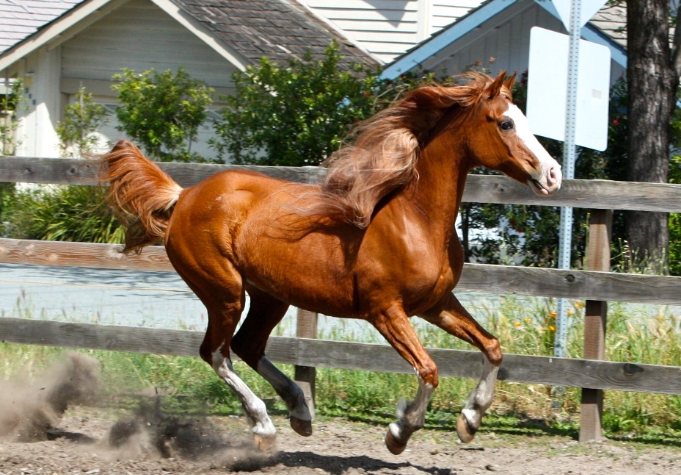
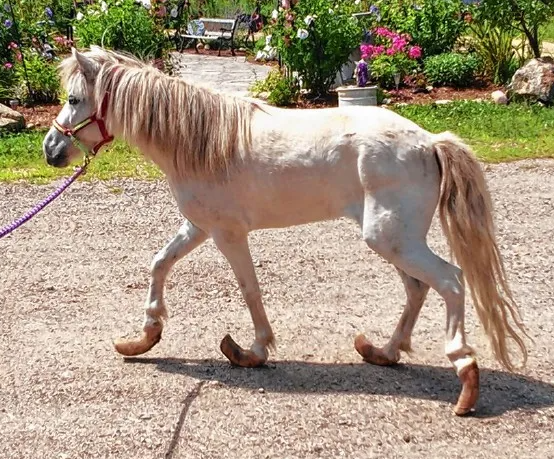
Overgrown horse hooves can lead to a range of health issues if not addressed promptly. Regular care and attention are essential for maintaining horse hoof health, ensuring their overall well-being. In this blog post, we will explore the causes, consequences, and best care practices for overgrown horse hooves.
1. Understanding Overgrown Hooves
Overgrown hooves are primarily the result of insufficient trimming and neglect. Horses in the wild maintain their hoof health by naturally wearing down their hooves through movement across varied terrains. However, domesticated horses often lack the necessary exercise or appropriate care, leading to overgrowth. Factors such as age, diet, and environment can also contribute to this problem.
It’s essential to monitor your horse’s hooves regularly. If they appear longer than usual or display uneven wear patterns, it may be time for a trim. Prevention involves not only regular hoof maintenance but also providing the right surfaces and activities for your horse to promote natural hoof wear.
-
- Inspect hooves regularly for signs of overgrowth.
-
- Schedule regular trimmings, ideally every 6-8 weeks.
-
- Provide varied terrain for exercise to promote natural hoof wear.
-
- Adjust your horse’s diet to ensure proper nutrition.
2. Consequences of Neglecting Hoof Care
Neglecting hoof care can lead to several serious health problems, including lameness, pain, and even long-term structural damage. Overgrown hooves can become misshaped, leading to discomfort and difficulty in movement. In severe cases, it can contribute to conditions such as laminitis, a painful inflammation of the hoof that can result in significant distress for the horse.
Overgrown hooves can also predispose horses to infections, such as thrush, a bacterial infection that thrives in damp, dirty conditions. This can lead to severe complications if not addressed promptly. Understanding these risks is crucial for horse owners to take the necessary precautions and act quickly when they see signs of overgrowth.
-
- Be vigilant for signs of lameness or discomfort in your horse.
-
- Consult a veterinarian if you notice injuries or infections.
-
- Implement a hoof care routine that includes regular trimmings.
-
- Select clean, dry environments for your horse whenever possible.
3. Best Practices for Hoof Maintenance
To ensure your horse’s hooves remain healthy, establishing a solid hoof care routine is essential. Start by establishing a schedule for hoof trimming and regular inspections. Being proactive allows for early detection of potential issues before they escalate, ensuring long-term hoof health.
Choosing the right farrier is crucial in maintaining your horse’s hooves. A knowledgeable and experienced farrier can provide tailored care based on your horse’s specific needs, including any special considerations such as hoof shape, the horse’s activity level, and potential underlying health issues. Regular communication with your farrier can help keep your horse’s hooves in optimal condition.
-
- Research and select a qualified farrier.
-
- Keep a record of trimming schedules and any issues observed.
-
- Establish a routine for cleaning and inspecting hooves.
-
- Discuss any concerns or specific needs with your farrier regularly.
4. Signs of Overgrowth and How to Address Them
Recognizing the signs of overgrown hooves early can prevent complications down the line. Key indicators include hooves that appear excessively long, cracked, or misshapen. Horses may also show signs of discomfort, such as limping or a reluctance to work. If you notice these signs, it’s imperative to take action immediately.
Addressing overgrown hooves typically involves a professional hoof trimming. In some cases, your farrier might recommend corrective shoeing or additional treatments if the overgrowth has caused structural issues or pain. Consistent trim maintenance and foot care at home will also be necessary to avoid future occurrences of overgrowth.
-
- Learn to identify early symptoms of overgrowth.
-
- Contact a farrier immediately if you suspect overgrowth.
-
- Discuss treatment options with your farrier if extensive trimming is needed.
-
- Implement a regular hoof care routine post-treatment to prevent recurrence.
5. Maintaining Overall Hoof Health
Beyond just trimming, several factors contribute to the overall health of your horse’s hooves. A balanced diet plays a significant role; ensuring your horse receives the right vitamins and minerals can promote robust hoof growth. Biotin and omega-fatty acids are particularly beneficial for hoof health.
Regular exercise is equally important. Poor hoof condition often correlates with a lack of physical activity. Engaging your horse in a consistent exercise routine not only promotes hoof health but overall fitness. Make sure to provide ample turnout time and varied terrains to encourage natural hoof wear.
-
- Provide a nutritious diet focused on hoof health.
-
- Encourage regular, varied exercise for your horse.
-
- Watch for changes in hoof condition or behavior.
-
- Consult with a veterinarian for dietary recommendations.
In conclusion, maintaining your horse’s hoof health is crucial for their overall well-being. Consistent care, from regular trimming to a balanced diet and exercise, can help prevent overgrown hooves and associated health problems. Take the next step by consulting a professional for tailored advice and to establish a proactive hoof care routine for your horse.