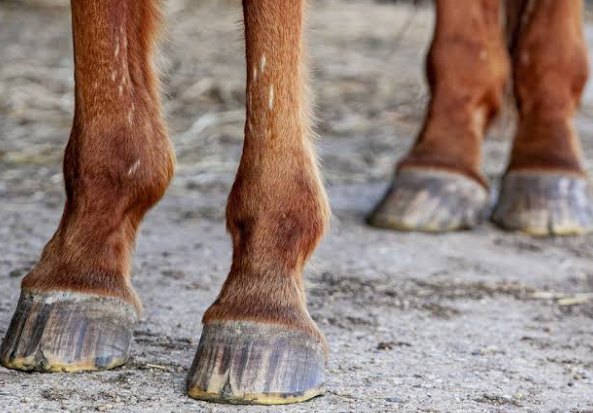
Cracked hooves can lead to significant discomfort and even complications for animals, particularly horses and livestock. Understanding how to prevent this condition is essential for maintaining their overall health and well-being. In this blog post, we will explore practical strategies to keep hooves strong and crack-free.
1. Regular Hoof Care
Regular hoof care is crucial in preventing cracks. It involves periodic trimming and cleaning. Neglecting a horse’s hooves can lead to issues like overgrowth and uneven wear, which contribute to cracking. Routine visits from a farrier should be scheduled every 6 to 8 weeks, depending on your animal’s needs and activity level.
In addition to trimming, daily checks of your animal’s hooves are essential. Look for any signs of cracks, dryness, or signs of infection. Keeping hooves clean from debris, dirt, and manure helps prevent fungal and bacterial infections that can weaken the hoof structure.
-
- Schedule regular visits with a qualified farrier.
-
- Inspect hooves daily for signs of cracks or discomfort.
-
- Clean hooves routinely using a hoof pick.
-
- Use appropriate tools to trim hooves between farrier visits.
-
- Monitor for any changes in behavior that may indicate hoof pain.
2. Maintain Proper Nutrition
Nutrition plays a significant role in the health of hoof tissue. Hooves are primarily made of keratin, a protein that requires certain nutrients to maintain their strength. Key nutrients include biotin, zinc, and omega fatty acids. A well-balanced diet can support hoof growth and resilience, making them less susceptible to cracking.
Incorporating high-quality hay and grains, along with supplementing specific nutrients, can improve hoof health. It’s worth consulting with a veterinarian or equine nutritionist to tailor a diet that meets your animal’s unique needs. This proactive approach will contribute to strong, healthy hooves.
-
- Consult a nutritionist for a balanced diet plan.
-
- Include biotin-rich foods or supplements.
-
- Monitor hydration levels; ensure plenty of fresh water.
-
- Offer forage that promotes healthy digestion.
-
- Avoid sudden diet changes to prevent digestive issues.
3. Provide a Suitable Living Environment
The living conditions of your animal significantly affect hoof health. Areas with excessive moisture can lead to softening of the hoof, making it more prone to cracks. Muddy paddocks or wet stalls should be avoided. Instead, create a dry, clean space for your animal to rest and roam.
In addition to managing moisture, providing a well-padded surface for walking can help. Rubber mats or soft ground cover can ease the impact on hooves and reduce wear. If your animal engages in strenuous activity, consider using hoof pads or boots for additional protection.
-
- Keep living spaces clean and dry.
-
- Provide plenty of clean, dry bedding in stalls.
-
- Use footing materials that promote traction and safety.
-
- Consider preventive hoof products to protect during activities.
-
- Regularly rotate grazing areas to prevent overuse.
4. Monitoring and Early Intervention
Proactive monitoring is essential for catching problems before they escalate. Keep an eye on any changes in behavior, such as lameness or changes in the way they stand. Early intervention can make a significant difference in treatment outcomes and prevent serious issues related to cracked hooves.
Establish a routine for checking your animal’s hooves, including observing their weight distribution while standing and their gait when moving. If you notice anything unusual, consult with a veterinarian promptly to address any potential issues before they lead to cracks in the hoof.
-
- Establish a routine for hoof observation.
-
- Document any changes in behavior or appearance.
-
- Consult a vet immediately if problems arise.
-
- Keep a health journal tracking hoof conditions.
-
- Engage in routine health and wellness checks.
Preventing cracked hooves takes dedication and awareness. By incorporating regular hoof care, proper nutrition, a suitable living environment, and diligent monitoring, you can greatly reduce the risk of this condition. Don’t hesitate to consult with a professional if you notice any signs of hoof problems or if you have questions about your animal’s care.