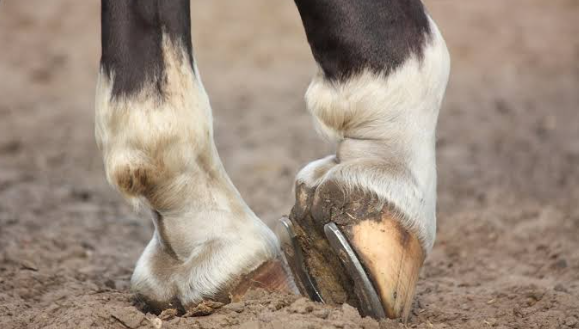
Cracked hooves are a common problem for many animals, particularly horses and livestock. These cracks can cause discomfort and lead to further complications if not addressed promptly. Understanding the causes of cracked hooves is vital for anyone who cares for these animals, enabling you to take preventive measures and ensure their well-being.
1. Nutritional Deficiencies
One of the primary causes of cracked hooves is nutritional deficiencies. Animals require a balanced diet rich in vitamins and minerals for healthy hoof growth. Key nutrients include biotin, zinc, and protein, all of which contribute to hoof strength and flexibility. Without adequate levels of these minerals, hooves can become brittle and prone to cracking.
For example, horses fed a diet lacking essential nutrients may exhibit increased hoof problems, including cracks and splits. Similarly, livestock like cows and goats can also suffer from hoof issues if their diets do not meet their nutritional needs. Regularly consulting with a veterinarian or equine nutritionist can help ensure that your animals’ diets are optimal for healthy hooves.
-
- Monitor your animal’s diet closely for nutritional balance.
-
- Include supplements rich in biotin and zinc.
-
- Ensure access to clean, fresh water at all times.
-
- Regularly evaluate your animal’s weight and overall health.
2. Environmental Factors
The environment plays a significant role in the health of an animal’s hooves. Wet, muddy conditions can soften hooves, making them more susceptible to injury. Conversely, dry, hard surfaces can lead to hooves becoming overly brittle and cracking. Animals that transition between these two extremes, such as those kept in varying conditions, often suffer the most.
<p;For instance, a horse kept in a stall that gets wet frequently and then turned out to a dry, hard paddock may experience more hoof problems. To promote healthy hoof growth, it’s essential to provide a stable and consistent environment. Regularly checking and maintaining the areas where animals are kept can also help reduce the risk of cracked hooves.
-
- Maintain a clean, dry area for your animals.
-
- Provide mats to reduce wear on hooves in high-traffic areas.
-
- Limit exposure to extreme weather conditions.
-
- Consider using hoof moisturizers to help maintain flexibility.
3. Lack of Regular Foot Care
Neglecting regular hoof care can lead to numerous problems, including cracks. Proper trimming is essential for maintaining hoof shape and health. Overgrown hooves can lead to an uneven distribution of weight, resulting in cracks appearing on the surface. Regularly scheduled visits from a farrier or hoof care professional can help ensure that hooves are in optimal condition.
Furthermore, improper shoeing can also lead to issues. Shoes that are too tight can restrict growth and lead to cracking, while shoes that are too loose can cause friction. Educating yourself about the signs of hoof stress and the importance of regular foot care can significantly impact your animal’s hoof health.
-
- Schedule regular visits with a qualified farrier.
-
- Learn how to check hooves for signs of stress and injury.
-
- Keep tools for hoof care clean and sharp.
-
- Educate yourself on proper shoeing techniques.
4. Hoof Diseases
Various diseases can contribute to cracked hooves. Conditions such as white line disease or thrush weaken the hoof structure, making it more susceptible to cracks. These diseases often stem from poor hygiene or environmental issues, such as standing in wet, unsanitary conditions. Addressing these diseases early is crucial for preventing further damage.
For instance, white line disease is a fungal infection that can cause disruptions in the hoof wall, leading to separation and cracks. On the other hand, thrush is a bacterial infection that often affects the frog of the hoof and can lead to severe soreness and mobility issues. Regular hoof inspections and prompt treatment of any signs of infection are essential steps in preventing crack formation.
-
- Inspect hooves regularly for signs of disease.
-
- Maintain cleanliness in living areas and stabling conditions.
-
- Consult a veterinarian for any suspicious signs or symptoms.
-
- Familiarize yourself with common hoof diseases to recognize them quickly.
5. Genetic Predispositions
Some animals may be genetically predisposed to hoof problems, including cracking. Breeds that are known for having delicate hooves may experience more issues, making it essential to be vigilant. Understanding your animal’s breed and its inherent qualities can help in anticipating potential problems and implementing preventive measures.
For example, certain pony breeds are infamous for their susceptibility to hoof problems, which often require more attention than sturdier breeds. Knowing the specific hoof care needs of your animal’s breed can empower you to take proactive steps in maintaining their hoof health, including special diets or more frequent trimming schedules.
-
- Research your animal’s breed and its common hoof issues.
-
- Adapt care routines to suit breed-specific needs.
-
- Consider genetic testing if you suspect hereditary issues.
-
- Engage with a community of breed enthusiasts for shared experiences.
In conclusion, understanding the causes of cracked hooves can help you take effective steps to prevent and treat this condition. Regular care, a balanced diet, and environmental considerations play significant roles in maintaining hoof health. Don’t hesitate to consult with professionals to ensure the best outcomes for your animals.