Unbalanced horse hooves can lead to a variety of issues including uneven wear, discomfort, and even lameness. Understanding the signs and causes of unbalanced hooves is essential for horse owners and riders alike. This blog post will explore the importance of balanced hooves, how to identify imbalances, and tips to maintain hoof health.
1. Understanding the Causes of Unbalanced Hooves
Unbalanced hooves can stem from a variety of factors, including genetics, improper trimming, and environmental conditions. For instance, some horse breeds may be more predisposed to hoof issues due to their conformation. Additionally, poor trimming techniques can create unevenness, leading to discomfort and gait issues. Recognizing these root causes is crucial for preventing further complications.
Environmental factors also play a significant role in hoof health. Horses that spend more time on hard ground or rocky terrain may develop imbalances faster than those on softer surfaces. Moreover, how a horse is shod—if at all—can also influence hoof balance. Regular assessments by a knowledgeable farrier can help identify problems before they become serious.
-
- Consult with a qualified farrier regularly for assessments.
-
- Observe your horse’s behavior and movement closely.
-
- Ensure proper trimming techniques are followed.
-
- Watch for signs of discomfort or changes in stance.
2. Identifying the Signs of Unbalanced Hooves
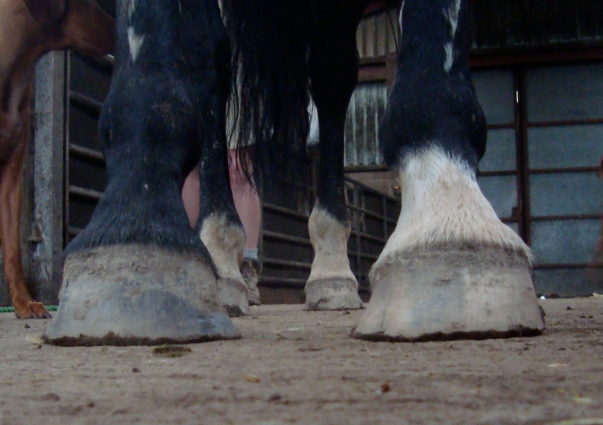
There are several indicators that a horse may have unbalanced hooves. One of the most noticeable signs is uneven wear patterns visible on the hoof surface. Owners might also observe their horse favoring one hoof, limping, or showing reluctance to move in certain areas. This behavior can suggest pain caused by pressure on unbalanced hooves.
Another important sign is the sound of the horse’s movement. A horse with unbalanced hooves may produce uneven thuds when walking, indicating discrepancies in the way weight is distributed. Identifying these signs early can prevent more serious issues from developing, allowing for timely intervention.
-
- Check for uneven hoof wear and excessive heel growth.
-
- Look out for signs of favoring one leg.
-
- Monitor behavioral changes or reluctance to work.
-
- Observe sounds made during movement; listen for irregularities.
3. Tips for Maintaining Balanced Hooves
Maintaining balanced hooves is vital for overall equine health. Regular hoof care, including trimming and shoeing, is necessary to prevent imbalances. Ensure that your farrier understands your horse’s specific needs and addresses any imbalances during their visits. Consistency in care is key; the more frequent the monitoring, the better maintained the hooves will be.
In addition to professional care, focusing on your horse’s diet can also promote hoof health. A balanced diet rich in vitamins and minerals supports strong hoof growth. Consider supplements for hoof health if nutritional deficiencies are suspected. Regular exercise, on soft ground when possible, can also enhance hoof strength by promoting proper circulation through daily movement.
-
- Schedule regular farrier visits every 4-6 weeks.
-
- Provide a balanced diet rich in nutrients for hoof health.
-
- Consider hoof supplements if necessary.
-
- Encourage regular exercise on varied terrain.
4. Common Misconceptions About Unbalanced Hooves
Many horse owners harbor misconceptions about hooves that can lead to neglect or improper management. A common misunderstanding is that unbalanced hooves are merely an aesthetic problem. However, imbalances can directly impact a horse’s performance, comfort, and overall wellbeing. Failure to address these issues may ultimately have financial and health repercussions.
Another myth is that all horses naturally adapt to their hoof problems over time. While some horses may compensate for imbalances temporarily, this can often lead to other issues, such as joint pain or muscular problems, over the long term. Proper hoof management and intervention are essential to ensure a horse remains sound and happy.
-
- Don’t ignore hoof health as merely cosmetic.
-
- Do not assume horses will adapt to problems on their own.
-
- Educate yourself about hoof anatomy and health.
-
- Stay proactive rather than reactive when it comes to care.
In conclusion, unbalanced horse hooves can lead to significant health issues if left unaddressed. Recognizing the signs, understanding the causes, and taking preventive steps can contribute to better hoof health. If you believe your horse may be experiencing hoof imbalances, consult with a qualified farrier or veterinarian to develop an effective management plan.