
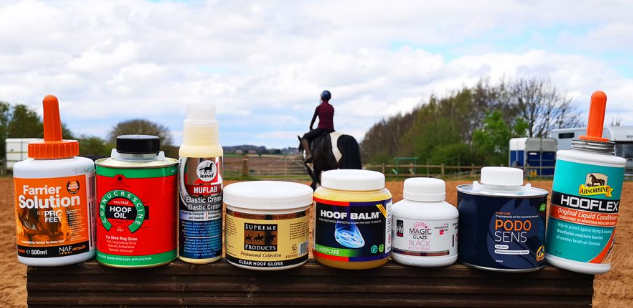
When it comes to equine care, maintaining your horse’s hooves is crucial for their overall health and performance. Two popular products used for this purpose are hoof oil and hoof conditioner. Despite their similar appearance, these products serve different functions and benefits. Understanding the distinctions between them can help you make informed decisions for your horse’s hoof care regimen.
1. Understanding Hoof Oil
Hoof oil is primarily used for its ability to enhance the overall appearance and shine of a horse’s hooves. It’s commonly made from natural oils, such as linseed or coconut oil, and may contain waxes. This product is designed to form a protective layer on the hoof surface, which can help repel water and dirt. However, due to its nature, hoof oil does not necessarily penetrate the hoof wall to deliver moisture, which is a common misconception.
Besides its aesthetic benefits, hoof oil plays a role in preventing excessive drying and cracking of the hoof’s outer layer. However, it’s essential to note that overuse can lead to a buildup of product, potentially suffocating the hoof. Therefore, it’s important to strike a balance in your application routine to keep the hooves healthy without compromising their condition.
-
- Apply hoof oil sparingly to avoid buildup.
-
- Use it mostly for aesthetic purposes and in dry conditions.
-
- Consider using a brush for even application.
-
- Do not apply oil on cracked or damaged hooves.
-
- Choose natural oils for a safer alternative.
2. Exploring Hoof Conditioner
Hoof conditioners are formulated to penetrate the hoof wall and provide essential moisture and nutrients that support hoof health. These products often contain a blend of oils, waxes, and various conditioners such as keratin or sulfur. Unlike hoof oil, conditioners aim to improve the hoof’s structure and flexibility, ensuring that it remains strong and functional over time.
Using hoof conditioner regularly can lead to improved hoof integrity, reducing the likelihood of cracks and splits. It is particularly beneficial in environments that may dry out the hoof or during seasonal changes. Regular application can help maintain healthy moisture levels, making the hoof more resistant to environmental stressors.
-
- Choose a conditioner that penetrates deeply into the hoof.
-
- Apply at least once a week or as needed based on environmental conditions.
-
- Massage the conditioner into the hoof for better absorption.
-
- Check for signs of softness or over-moisturization.
-
- Look for products specifically formulated for your horse’s hoof type.
3. Making the Right Choice for Your Horse
Choosing between hoof oil and hoof conditioner depends on your horse’s specific needs and circumstances. Hoof oil is ideal for enhancing appearance and providing a barrier against contaminants, especially in dry weather. On the other hand, hoof conditioner is the go-to choice for those aiming to improve hoof health in a more fundamental way. Understanding your horse’s hoof condition and the environment they live in will guide your choice.
Monitoring your horse’s hooves frequently can help you determine the right foot care routine. Always be vigilant for any signs of distress or abnormality in the hooves, which could indicate the need for a switch in products or a consultation with a farrier. A tailored approach will not only enhance your horse’s hoof health but also promote their overall well-being.
-
- Assess your horse’s environment: Is it dry or wet?
-
- Monitor hoof condition regularly for signs of wear.
-
- Consult a veterinarian or farrier for guidance on hoof care.
-
- Consider weather changes when applying treatments.
-
- Observe the horse’s behavior; discomfort may indicate hoof issues.
In conclusion, both hoof oil and hoof conditioner have their unique purposes and benefits. Depending on your horse’s needs and environmental factors, you may find it advantageous to incorporate both into your hoof care routine. Regular monitoring and consulting professionals will ensure your equine companion has the healthiest hooves possible.