
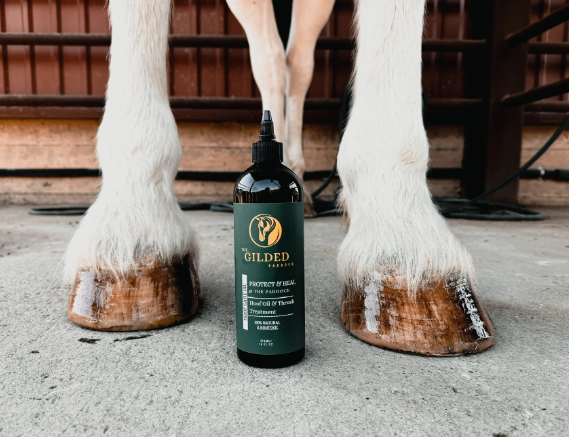
Hoof oil is a valuable product for maintaining the health of your horse’s hooves. Applying it at the right time can enhance its benefits significantly. In this blog post, we’ll explore the best times to use hoof oil and how to incorporate it into your horse care routine.
1. Understanding Hoof Health and When to Apply Hoof Oil
The hooves of a horse are critical for their overall health, as they bear weight and absorb shock. Factors like weather, terrain, and diet all impact hoof integrity. Using hoof oil can help in conditioning and protecting the hooves, but timing plays a crucial role in its effectiveness.
The best times to apply hoof oil are after thorough cleaning, during dry seasons, or following exposure to wet conditions. Cleaning the hooves removes dirt and debris, allowing the oil to penetrate better. If your horse has been in wet conditions, applying hoof oil afterward can prevent cracks and dryness as the hooves dry out.
-
- Always clean hooves before application.
-
- Apply during or after dry weather for best benefits.
-
- Use after rain or wet conditions to counteract moisture loss.
-
- Monitor hoof condition regularly to determine application frequency.
2. Seasonal Considerations for Hoof Oil Application
Seasons greatly influence the moisture and overall condition of a horse’s hooves. In spring and summer, hooves may experience increased moisture, while the fall and winter months can subject them to dryness and cracking. Adjusting your hoof care routine based on the season is crucial for maintaining healthy hooves.
During the humid months, applying hoof oil can help seal in moisture and prevent excessive humidity from causing softening or fungal infections. Conversely, in the dry, cold months, hoof oil should be used to provide necessary oils that keep the hooves from becoming brittle or cracking. Always consider the weather when planning your hoof care schedule.
-
- In summer, apply hoof oil to prevent excessive moisture absorption.
-
- Use oil in winter to keep hooves hydrated.
-
- Monitor humidity levels and adjust frequency accordingly.
-
- Consider using a heavier oil in colder months for extra conditioning.
3. Signs Your Horse Needs Hoof Oil
Being attentive to your horse’s hoof health can help you identify when they need extra care. Common signs include brittleness, cracks, and a dull appearance. If you notice any of these issues, it may be time to include hoof oil in your grooming routine more frequently.
If your horse is exhibiting signs of discomfort while walking, such as limping or stiffness, a hoof condition may be at play. In such cases, hoof oil can play a role in softening hardened hooves and improving grip and comfort. Regular inspections of your horse’s hooves are essential for timely intervention.
-
- Look for visible cracks or flakes in the hoof wall.
-
- Watch your horse’s movement for signs of discomfort.
-
- Check for a dull, dry appearance on their hooves.
-
- Incorporate hoof oil if you notice any of these signs.
In conclusion, understanding when and how to apply hoof oil is vital for maintaining the health of your horse’s hooves. By staying aware of seasonal changes and signs of discomfort, you can ensure a proactive approach to hoof care. Don’t hesitate to consult a professional for tailored advice or develop a routine that works best for your horse’s needs.