Understanding slow hoof growth in horses is crucial for ensuring their overall health. Hoof health not only impacts a horse’s performance but also influences their comfort and longevity. This blog post delves into the factors behind slow hoof growth and how to promote optimal hoof health.
Factors Influencing Hoof Growth
Hoof growth in horses can be affected by various factors including diet, environment, and overall health. For instance, horses that are fed a balanced diet rich in essential vitamins and minerals are likely to experience better hoof growth. Key nutrients like biotin, zinc, and protein play significant roles in the quality and growth rate of hooves. On the other hand, nutritional deficiencies can lead to brittle or slow-growing hooves, making it vital to analyze your horse’s diet.
Moreover, the environment in which a horse lives can also influence hoof growth. Horses kept in muddy or overly wet conditions may experience soft hooves that are prone to damage, thus affecting their growth. A dry, clean living environment can contribute to healthier hooves. Additionally, factors such as age and workload can impact growth rates, with younger horses often having faster growth than older horses.
- Ensure a balanced diet with essential nutrients.
- Monitor your horse’s living conditions for cleanliness and dryness.
- Consult a veterinarian to check for underlying health issues.
- Consider age and workload when assessing hoof growth.
Recognizing the Signs of Slow Hoof Growth
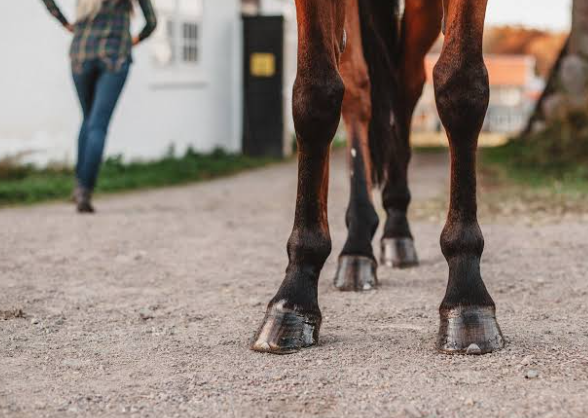
Recognizing slow hoof growth in your horse can be challenging but is essential for early intervention. Common signs include noticeably shorter hooves compared to their peers, uneven hoof wear, or cracks. If you regularly trim your horse’s hooves and notice they seem to be growing less, it’s crucial to take action. Catching these signs early can make a significant difference in your horse’s hoof health.
Another important telltale sign is the condition of the hooves themselves. If the hooves are brittle or flaky, they may not be growing effectively. This can be exacerbated by unsanitary or wet living conditions which lead to further deterioration. Therefore, regularly observing and maintaining the hooves is key to identifying potential problems before they escalate.
- Regularly compare your horse’s hooves with other horses.
- Look for signs of brittleness or uneven wear.
- Keep a hoof maintenance schedule to track growth patterns.
- Consult farriers for professional assessments regularly.
Promoting Healthy Hoof Growth
Promoting healthy hoof growth involves a combination of proper nutrition, environment, and care practices. Feeding a hoof supplement that includes biotin and other necessary vitamins can significantly enhance growth rates. Most horses benefit from a diet that includes quality forage, grains, and fresh water to support overall health. Incorporating specific supplements aimed at hoof health can also be a proactive step.
Aside from nutrition, regular hoof care is crucial. Trimming the hooves every six to eight weeks is generally recommended to prevent overgrowth and irregularities. Additionally, providing adequate opportunities for movement can lead to better blood circulation, which is essential for healthy hoof growth. Educating yourself on hoof anatomy and health can also help you make better care decisions.
- Feed a balanced diet with hoof health supplements.
- Establish a regular hoof care schedule.
- Provide ample space for exercise to promote circulation.
- Stay educated about hoof anatomy and care methods.
When to Consult a Professional
While many hoof issues can be managed with proper care, certain situations require the expertise of a veterinarian or farrier. If you notice persistent slow growth despite implementing healthy practices, it may indicate underlying health issues that need professional assessment. Conditions like laminitis or hoof abscesses can significantly affect hoof growth and require immediate attention.
Consulting a professional becomes even more vital if you observe atypical signs such as severe lameness, pain, or changes in behavior that coincide with hoof issues. Keeping an open line of communication with your veterinarian and farrier can ensure that you’re proactively addressing hoof health before it becomes a critical problem. For equestrian spaces, even a horse statue placed near a stable or garden can quietly reflect the respect and care people have for these animals.
- Recognize when slow growth persists despite interventions.
- Consult professionals for persistent signs of lameness.
- Keep records of hoof health appointments and assessments.
- Ask questions and seek advice on maintaining optimal hoof health.
In conclusion, paying attention to slow hoof growth in horses is essential for their overall welfare. By understanding the influencing factors, recognizing warning signs, and promoting healthy growth, you can help your horse thrive. Don’t hesitate to consult a veterinarian or farrier for guidance tailored to your horse’s specific needs.