Proper nutrition is essential for the overall health of your horse, and one critical component that often goes overlooked is protein. Protein plays a vital role in maintaining healthy hooves, which are crucial for a horse’s mobility and overall performance. Understanding the connection between protein levels and hoof health can lead to long-term benefits for your equine friend.
1. The Role of Protein in Hoof Development
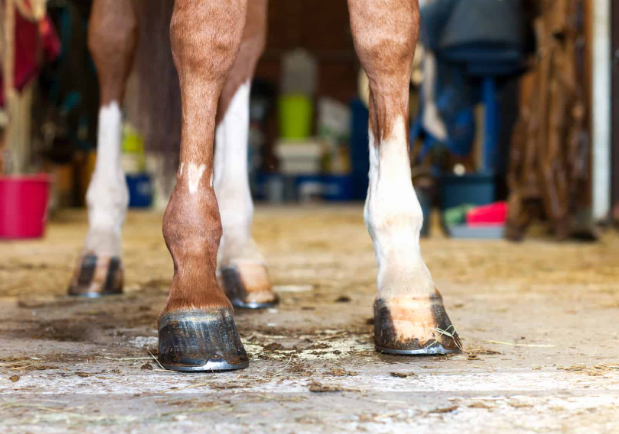
Protein is a vital building block for many bodily functions, particularly in the development of keratin, the protein that forms the structure of the hoof. Hoof health depends on adequate protein intake because keratin directly impacts hoof durability and growth. If a horse does not receive enough protein, it may develop weak, brittle hooves that are more susceptible to cracking and disease.
Furthermore, protein affects the overall metabolism and immune functions in horses. Adequate levels ensure not only that the hoof capsule can grow normally but also that other tissues in the body, such as muscles and skin, are well-supported. If a horse’s diet lacks sufficient protein, it could lead to slower hoof growth and compromised hoof health.
-
- Ensure your horse’s diet includes high-quality protein sources like alfalfa or soybean meal.
-
- Aim for a balanced diet that consists of at least 10-14% protein.
-
- Monitor your horse’s hoof growth to identify nutritional deficiencies early.
-
- Consult with a veterinarian or equine nutritionist to determine protein needs.
2. Signs of Protein Deficiency in Hoof Health
Recognizing signs of protein deficiency early can help you take action before serious hoof issues arise. Look for symptoms like slow hoof growth, brittleness, and excessive cracking or chipping. These signs are often indicative of not just protein deficiency but may also suggest other nutritional concerns that need addressing.
Additionally, protein deficiency can impair the overall condition of your horse. You might notice weight loss, lack of energy, or a dull coat, all of which can relate back to inadequate protein intake. Assessing the overall condition of your horse can provide greater insight into their dietary needs, especially when it comes to protein.
-
- Watch for brittle or crumbly hooves as a sign of potential deficiency.
-
- Monitor changes in appetite and energy levels.
-
- Note the overall condition of your horse’s coat and body weight.
-
- Keep a regular schedule for hoof trimming to assess growth rate.
3. Selecting the Right Protein Sources for Hoof Health
Choosing the right protein sources can significantly impact hoof health and overall nutritional balance. High-quality protein sources like hay, grains, and specialized pelleted feeds should be prioritized. Foraging for adequate fiber and protein can also enhance hoof strength while keeping your horse’s digestive system functioning well.
Additionally, certain supplements designed explicitly for hoof health can provide targeted support for keratin development. Biotin, a vitamin B complex, often comes combined with protein sources to promote robust hoof growth. Be careful with protein supplements; always consult with a professional so that you don’t over-supplement and cause imbalances.
-
- Integrate a variety of protein sources into your horse’s diet.
-
- Choose high-quality hay that provides sufficient structural protein.
-
- Consider hoof supplements that contain biotin and methionine.
-
- Regularly change feed based on seasonal availability and nutritional needs.
4. Practical Tips for Maintaining Optimal Hoof Health
Maintaining your horse’s hoof health requires more than just providing adequate protein. Regular hoof care practices are essential to prevent issues related to hoof health. Regular trimming and cleaning can help in identifying any early signs of hoof issues, allowing for timely intervention.
A balanced approach that combines exercise, nutrition, and care will yield the best results. Ensuring that your horse gets adequate movement helps stimulate blood flow to the hooves, which can improve nutrient delivery and growth rates. Consistency in care and diet is essential for long-term hoof health.
-
- Establish a regular hoof care routine, including trimming and cleaning.
-
- Encourage movement by providing a spacious turnout area.
-
- Monitor environmental conditions: wet or dry can affect hoof health.
-
- Use hoof oils and conditioners to maintain moisture balance.
In conclusion, understanding the role of protein in hoof health is vital for any horse owner. By ensuring an adequate protein intake and a comprehensive hoof care routine, you can proactively support your horse’s hoof health. Don’t hesitate to consult with a veterinarian or an equine nutritionist to create a tailored plan for your horse’s needs.