
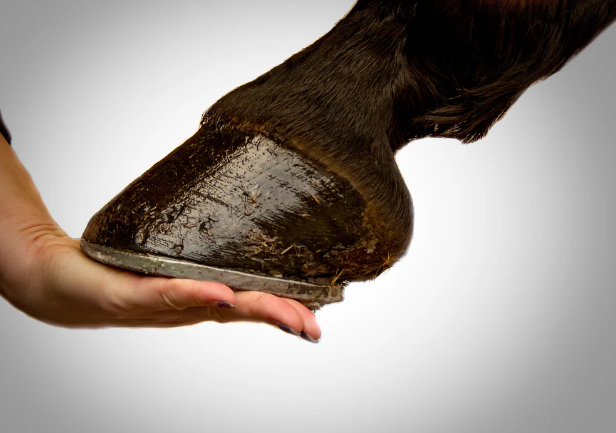
Hoof health plays a vital role in the overall well-being of horses. Hoof supplements have gained popularity among horse owners, sparking a debate about their effectiveness. In this blog post, we’ll explore whether hoof supplements work by examining their components, effectiveness, and the science behind them.
1. Understanding Hoof Supplements
Hoof supplements are formulated with ingredients designed to promote strong and healthy hooves. Common components include biotin, methionine, zinc, and omega fatty acids. Biotin is particularly well-known for its role in keratin production, which is essential for hoof integrity.
The quality of ingredients in hoof supplements can vary significantly by brand. Some high-quality products utilize bioavailable forms of minerals and vitamins, enhancing absorption. It’s essential to read labels and understand which ingredients are present and the quantity, as this can affect the supplement’s overall efficacy.
-
- Research multiple brands before purchasing.
-
- Check for active ingredients like biotin and methionine.
-
- Consult with a veterinarian for tailored recommendations.
-
- Understand dosage guidelines to ensure effectiveness.
-
- Monitor ingredient forms to ensure maximum absorption.
2. Assessing Effectiveness
The effectiveness of hoof supplements can vary based on individual horses and their unique needs. Some studies indicate that biotin supplementation has positively impacted hoof condition, especially in horses with poor hoof quality. However, it’s important to note that results may take several months to become evident.
Additionally, underlying issues such as diet, exercise, and environmental conditions also influence hoof health. Just administering hoof supplements may not bring about improvement if other areas of the horse’s care are neglected. Therefore, a holistic approach is crucial for achieving optimal hoof health.
-
- Track hoof condition over time to gauge improvement.
-
- Evaluate dietary factors and ensure a balanced nutrition plan.
-
- Adjust the exercise regime for better hoof circulation.
-
- Include regular farrier care in your routine.
-
- Consider environmental factors, such as stable conditions.
3. Essential Tips for Using Hoof Supplements
To maximize the effectiveness of hoof supplements, it’s crucial to combine them with proper management practices. Regular farrier visits are essential for maintaining hoof health. Your farrier can provide insights into whether the hoof supplement is helping or if other interventions are necessary.
Moreover, maintaining a balanced diet will ensure that your horse receives all the necessary nutrients. Supplements should complement a proper feeding regimen rather than replace conventional nutrition. Keeping a journal to monitor changes in hoof quality can also assist in evaluating supplement effectiveness.
-
- Schedule regular farrier appointments.
-
- Keep a dietary log to monitor nutrient intake.
-
- Record hoof condition changes in detail.
-
- Include a variety of forage and grains suitable for hoof health.
-
- Be patient; supplements may take time to show results.
In conclusion, hoof supplements can be beneficial, but their effectiveness depends on various factors, including individual horse needs and management practices. Consult with a veterinarian or equine nutritionist to develop a tailored plan that optimizes your horse’s hoof health. Taking steps toward proper care now can lead to stronger, healthier hooves down the road.