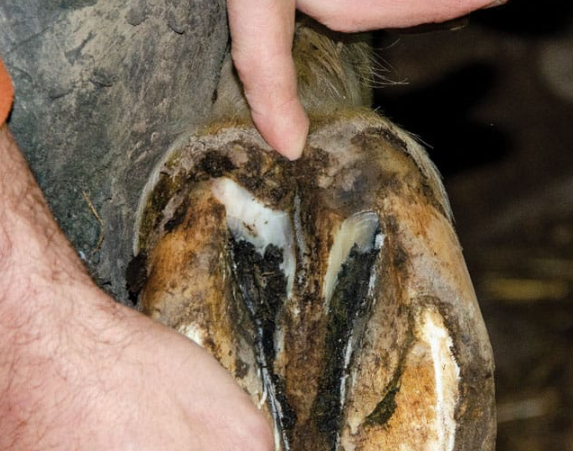
Hoof thrush is a common but preventable condition affecting horses, characterized by a fungal infection that can cause discomfort and serious problems if left untreated. By understanding the causes and implementing preventive measures, horse owners can ensure their animals remain healthy and free from this irritating condition.
1. Maintain Clean Living Conditions
The first line of defense against hoof thrush is maintaining a clean and dry environment for your horse. Fungi thrive in damp, dirty conditions, so regularly cleaning the stable and ensuring proper drainage is crucial. Remove soiled bedding and waste daily and replace it with fresh, dry materials to minimize exposure to harmful pathogens.
- Remove manure and wet bedding daily.
- Check for and fix drainage issues around the stable.
- Maintain a dry paddock by rotating grazing areas.
- Use absorbent bedding materials, like straw or shavings.
- Regularly clean the water troughs to prevent algae growth.
2. Regular Hoof Care and Inspections
Consistent hoof care is essential for preventing thrush. Schedule regular trims with a qualified farrier, ideally every 6 to 8 weeks, to keep hooves healthy and well-shaped. Regular inspections allow you to catch any signs of thrush early, such as a foul smell or discoloration of the hoof.
- Schedule hoof trims every 6-8 weeks.
- Inspect hooves at least once a week for signs of thrush.
- Keep track of any changes in hoof shape or texture.
- Use a hoof pick regularly to clean out dirt and debris.
- Consult a farrier if you notice any unusual signs.
3. Promote Healthy Hoof Growth
Nutritional support can significantly impact hoof health, hence an important aspect of thrush prevention. Ensure your horse is getting a balanced diet that includes essential nutrients like biotin, zinc, and omega fatty acids. These nutrients can encourage strong hoof growth and resilience against infections.
Consider supplements, like hoof care formulas, that can provide extra support. Don’t forget to provide access to clean, fresh water, which is critical not only for overall health but also for maintaining the condition of the hooves.
- Consult with a veterinarian or equine nutritionist for a balanced diet.
- Incorporate hoof supplements that contain biotin or zinc.
- Ensure your horse has access to fresh, clean water at all times.
- Feed a high-quality forage and grains appropriate for their activity level.
- Monitor your horse’s body condition to ensure proper nutrition.
In conclusion, preventing hoof thrush is achievable with consistent care and diligence. By keeping living conditions clean, ensuring regular hoof care, and promoting overall health through diet, you’ll help your horse stay thrush-free. If you notice any signs of thrush, consult a veterinarian for proper diagnosis and treatment to keep your horse in good condition. Taking the right steps now can lead to a healthier, happier future for your equine companion.