Thrush is a common condition that affects horse hooves, caused primarily by bacterial infection. Understanding thrush, its signs, and how to prevent or treat it is essential for every horse owner to keep their equine friends healthy and sound.
1. What is Thrush?
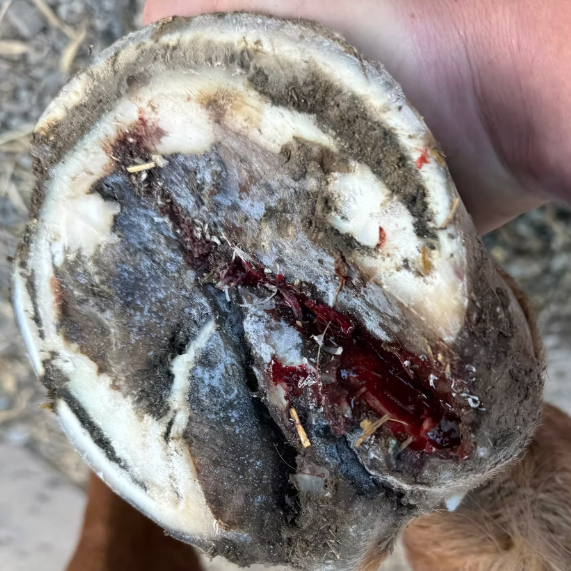
Thrush is an infection primarily caused by the bacterium Fusobacterium necrophorum, which thrives in damp and dirty environments. This condition typically affects the frog, the V-shaped structure on the bottom of a horse’s hoof, leading to foul-smelling discharge and potential pain or lameness. If left untreated, thrush can escalate into more severe hoof issues, including abscesses or laminitis.
Commonly seen in horses that stand in wet or unsanitary conditions, thrush can also develop if horses have poor hoof care routines. It is critical to recognize thrush early to ensure a swift recovery and prevent further complications. Regular hoof checks and cleanings play a significant role in maintaining hoof health.
-
- Monitor the environment: Keep stalls clean and dry.
-
- Check hooves regularly for signs of thrush.
-
- Use proper hoof care techniques.
-
- Adjust diet to maintain overall health.
-
- Consult a veterinarian for severe cases.
2. Recognizing the Symptoms of Thrush
Detecting thrush early is vital for effective treatment. Typical symptoms include a black, foul-smelling discharge from the hoof, particularly around the frog area. Additionally, the horse may show signs of discomfort when pressure is applied to the hoof, leading to reluctance in movement or loaded weight on that foot.
In severe cases, the surrounding hoof might appear inflamed or swollen, and the horse could develop a reluctance to pick up its feet. Owners should keep an eye out for these signs, and regular hoof inspections can often help in catching thrush before it worsens.
-
- Perform routine foot inspections weekly.
-
- Look for changes in hoof odor and color.
-
- Observe your horse’s movement; watch for limping.
-
- Maintain open communication with a farrier.
-
- Take immediate action when symptoms are noted.
3. Treatment Options for Thrush
Treating thrush requires a multifaceted approach that includes cleaning, disinfecting, and possibly medication. Initially, the horse’s hooves should be thoroughly cleaned with soap and water to remove any debris and discharge. After drying, a disinfectant, such as iodine or a commercial thrush treatment, can be applied specifically to the affected areas.
In cases where the thrush is more severe, it may be necessary to involve a veterinarian. They can prescribe antibiotics or anti-inflammatory medications as needed. Additionally, always ensure that your farrier trims the hooves regularly, as overgrown hooves can harbor more bacteria and worsen the condition.
-
- Clean hooves with a hoof pick daily.
-
- Use disinfectants appropriately on the affected areas.
-
- Consult a veterinarian if there are signs of pain or swelling.
-
- Keep a consistent farrier schedule for hoof trimmings.
-
- Ensure your horse’s living environment is dry and clean.
4. Preventing Thrush in Horse Hooves
The best course of action against thrush is prevention. Begin with maintaining a clean living environment for your horse, which means regularly mucking stalls and managing paddock conditions effectively. Choosing bedding that absorbs moisture and creating good drainage can significantly mitigate the risk of thrush.
Another essential aspect of prevention includes regular hoof care. This not only involves trimming but also regular cleaning to prevent debris accumulation. Additionally, make sure your horse is on a balanced diet to promote healthy hoof growth and resilience against infections.
-
- Keep stalls and paddocks clean and dry.
-
- Choose appropriate bedding materials.
-
- Establish a routine hoof cleaning schedule.
-
- Maintain proper feeding for hoof health.
-
- Be proactive in checking for signs of thrush during grooming.
In conclusion, thrush can pose serious risks to your horse’s hoof health if not recognized and treated early. By staying vigilant and maintaining a consistent hoof care routine, horse owners can help prevent thrush from developing. If you have any concerns about your horse’s hooves, don’t hesitate to consult a veterinarian or a qualified farrier for advice and assistance. Your horse’s healthy hooves are worth the effort!