
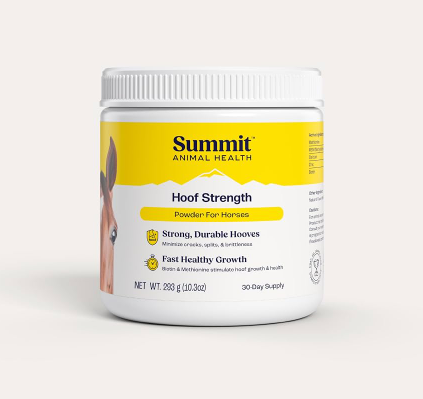
Strong hooves are essential for the overall health and performance of horses. Just like any other part of their body, the hooves need the right nutrients to grow strong and resilient. Among these nutrients, specific minerals play a crucial role in maintaining hoof integrity and preventing common problems.
1. Importance of Calcium and Phosphorus
Calcium and phosphorus are fundamental minerals for a horse’s overall health, but they have particular significance for hoof strength. Calcium helps in the formation of the hoof’s structure, while phosphorus plays a vital role in energy metabolism and the structural integrity of bones and hooves. A balanced ratio of these minerals is crucial; an imbalance can lead to weak hooves and other health issues.
A diet high in calcium but low in phosphorus can cause problems like poor hoof growth and weak structures. Conversely, too much phosphorus without adequate calcium can lead to metabolic issues. Therefore, maintaining a ratio of approximately 2:1 of calcium to phosphorus is recommended for optimal hoof health.
-
- Consult with a vet for recommended calcium and phosphorus levels based on your horse’s diet.
-
- Choose high-quality hay that provides a good balance of both minerals.
-
- Consider mineral supplements if your horse’s dietary needs aren’t met.
-
- Avoid feeding just grain, as it may skew the calcium to phosphorus ratio.
2. The Role of Magnesium and Zinc
Magnesium is often overlooked but is essential for proper hoof structure. It aids in the formation of keratin, a key component of hoof walls. Without sufficient magnesium, horses can experience brittle hooves that are prone to cracking and splitting. Likewise, zinc assists in hoof growth and repair, reinforcing the hoof capsule’s integrity.
Deficiencies in either mineral can lead to poor hoof quality and increase the risk of infections and other issues. Therefore, ensuring your horse receives adequate amounts of both magnesium and zinc can boost hoof strength significantly. Sources often include green forage, grains, and specific mineral blocks.
-
- Include magnesium-rich forage like alfalfa in your horse’s diet.
-
- Use high-quality mineral blocks that contain zinc and magnesium.
-
- Monitor your horse’s hoof condition regularly to catch deficiencies early.
-
- Consult a veterinarian for blood tests to check for mineral deficiencies.
3. The Impact of Biotin and Copper
Biotin is a B-vitamin that has received acclaim for its positive impact on hoof health. Studies have shown that biotin supplementation can lead to significant improvements in hoof quality, thickness, and growth rate. Additionally, biotin aids in the synthesis of keratin, a protein crucial for strong and resilient hooves.
Copper, on the other hand, is essential for the formation of collagen, which is vital for hoof integrity. A deficiency in copper can result in weak and fragile hooves, increasing the likelihood of laminitis and other hoof-related issues. Both biotin and copper can be supplemented through specialized equine vitamin formulations or specific feeds designed for hoof health.
-
- Incorporate biotin supplements into your horse’s diet for improved hoof condition.
-
- Ensure your horse has access to copper-rich minerals or supplements.
-
- Look for feed that mentions hoof health on the label for additional benefits.
-
- Adopt a balanced diet that meets all micro and macro-nutritional needs.
4. Water and Its Indirect Role
While minerals are crucial for hoof health, water is often an underestimated factor. Adequate hydration aids in the absorption of these essential minerals and helps maintain overall cellular function. Dehydration can lead to dry hooves that are more susceptible to cracks and structural weaknesses, making water intake an important consideration.
Ensure that your horse has constant access to clean, fresh water. The amount needed can vary, but a general guideline is around 10 to 12 gallons daily for a typical adult horse. Keeping a close watch on your horse’s drinking habits can provide insights into their health and hydration status.
-
- Provide regular access to fresh and clean water at all times.
-
- Monitor your horse’s water intake, especially during hot weather or strenuous activity.
-
- Encourage drinking after exercise to maintain hydration.
-
- Consider adding electrolytes during summer months to replenish losses.
In conclusion, ensuring strong horse hooves requires a proactive approach to nutrition, specifically focusing on essential minerals like calcium, phosphorus, magnesium, zinc, biotin, and copper. Regularly consult with a veterinarian to tailor a diet that meets all of your horse’s nutritional needs, track their health, and take immediate action if you notice any issues. A strong foundation starts from the ground up!