Wet weather can significantly impact the health of hoofed animals, especially horses. The moisture can lead to various hoof-related issues that may compromise their overall well-being. Understanding proper wet weather hoof care is essential for every horse owner and caretaker.
1. Understanding the Impact of Moisture
When the ground is saturated with water, or when horses are kept in wet conditions, the hooves can absorb excess moisture. This may lead to the development of soft hooves that are more susceptible to cracks and diseases like thrush. Additionally, the excess moisture can wash away essential oils and protective compounds that keep hooves healthy, making it crucial to monitor hoof health during wet seasons.
Excess moisture can also lead to conditions such as white line disease, where the integrity of the hoof wall weakens and allows for infections to set in. Knowing the signs of these issues is vital. Pay attention to any changes in your horse’s behavior, hoof odors, or alterations in hoof shape, which might indicate underlying problems due to wet conditions.
-
- Inspect hooves daily for signs of cracks or infections.
-
- Regularly trim and maintain hooves to prevent overgrowth.
-
- Consider using hoof dressing to protect against moisture.
-
- Provide dry areas for your horse to rest if possible.
-
- Consult a veterinarian at the first sign of hoof trouble.
2. Creating a Dry Living Environment
One of the best ways to protect your horse’s hooves during wet weather is by providing a dry living environment. Ensure that your horse’s shelter is well-drained and free from standing water. If the pasture tends to get muddy, consider rotating grazing areas to allow the ground to dry out and recover between uses.
Investing in mats or a solid flooring solution in barns and stalls can also minimize moisture. Additionally, using bedding materials that absorb moisture, like straw or shavings, can create a more comfortable, dry space for your horse. Regularly cleaning and replacing bedding will also help reduce the risk of hoof-related issues.
-
- Look for suitable drainage solutions in the pasture.
-
- Rotate grazing to allow for recovery of muddy areas.
-
- Use mats in stalls to limit moisture retention.
-
- Choose quality bedding that absorbs moisture.
-
- Regularly clean and replace bedding materials.
3. Implementing Protective Aids
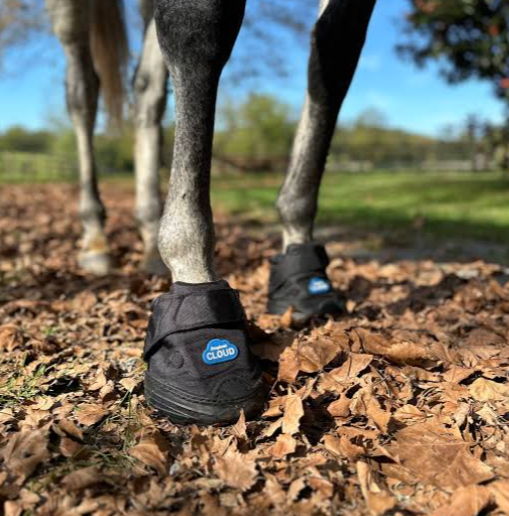
Using protective aids like hoof boots can be extremely beneficial during wet weather. These boots provide an extra layer of support and protection against moisture and debris. They can also help prevent injury and infection when your horse is traversing wet or muddy ground. Make sure to choose boots that fit well and are made from breathable materials to avoid trapping moisture.
In addition to hoof boots, consider applying hoof dressings that provide a moisture barrier. These products can help seal the hoof and protect it from absorbing too much water. Look for dressings that contain natural oils and waxes, which can fortify the hoof wall while maintaining moisture balance.
-
- Choose the right size and type of hoof boot for your horse.
-
- Apply hoof dressings consistently for best results.
-
- Monitor the fit of hoof boots regularly to avoid discomfort.
-
- Check for any signs of irritation or infection when using boots.
-
- Consult a farrier for recommendations on protective aids.
4. Regular Hoof Care Practices
Establishing a routine for hoof care is foundational for maintaining hoof health in wet conditions. Scheduling regular visits with a qualified farrier ensures that hooves are trimmed and balanced appropriately, reducing the risk of cracks and heel pain. A farrier can also check for early signs of thrush or other related diseases, making them key allies in hoof care.
Daily hoof cleaning is also a vital practice. Make it a habit to clean your horse’s hooves every day, regardless of the weather. This not only removes dirt and debris but also allows you to check for any signs of issues like thrush or thrush-related infections. Keeping a close eye on your horse’s hooves can go a long way in preventing problems before they worsen.
-
- Schedule regular farrier visits every 4-6 weeks.
-
- Clean hooves daily to keep them free of debris.
-
- Learn proper hoof cleaning techniques if you’re doing it yourself.
-
- Monitor hoof health for any changes in appearance.
-
- Be proactive about hoof care during wet weather.
5. Healthy Diet and Hoof Supplements
A balanced diet plays a pivotal role in hoof health, particularly during wet weather. Ensure your horse is receiving adequate nutrients — particularly biotin, zinc, and omega-3 fatty acids — that support hoof strength and resilience. High-quality forage and horse feed formulated for hoof health can also contribute to overall wellbeing.
Consider adding hoof supplements to your horse’s diet during wet seasons. Many of these supplements offer essential nutrients aimed at improving hoof strength and condition. However, consult your veterinarian before introducing any new dietary supplements to ensure they are suitable for your specific horse.
-
- Provide high-quality forage that meets nutrition needs.
-
- Research hoof health supplements recommended by veterinarians.
-
- Maintain a balanced diet with essential vitamins and minerals.
-
- Monitor weight and adjust feed accordingly based on activity levels.
-
- Periodically check in with a vet for dietary recommendations.
In conclusion, taking proactive steps for wet weather hoof care is crucial for your horse’s health. By creating a dry environment, implementing protective aids, and maintaining a consistent hoof care routine, you can significantly reduce the risk of hoof-related issues. Don’t hesitate to consult with professionals to ensure you’re taking the best care of your horse’s hooves year-round.