The rainy season brings a refreshing change for many, but it also poses unique challenges for hoof care in horses. Keeping your horse’s hooves healthy during this time is crucial to their overall well-being. Here’s a comprehensive guide on how to ensure optimal hoof care during the rainy season.
1. Understanding the Risks of Excess Moisture
During the rainy season, hooves can suffer from excess moisture, which can lead to a variety of issues such as thrush, softening of the hoof walls, and fungal infections. It’s essential to understand that waterlogged hooves can compromise their structural integrity, making them more susceptible to injury and infection. Regularly checking your horse’s hooves during this time can help identify problems before they become more serious.
Another significant concern is the development of mud fever (also known as pastern dermatitis), which affects not only the hooves but also the skin on the lower legs. This condition often stems from prolonged exposure to wet and muddy conditions and can result in painful symptoms. Knowing how to manage moisture levels in your horse’s environment is key to preventing these issues.
-
- Check hooves daily for signs of softening or thrush.
-
- A dry, clean environment is critical—consider using treated pens or run-in shelters.
-
- Limit turnout time in muddy areas.
-
- Rotate grazing areas to prevent mud buildup.
2. Establishing a Drying Routine
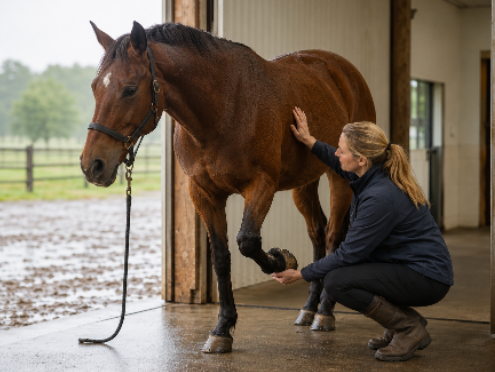
Creating a routine to keep your horse’s hooves dry is vital during the rainy season. After every ride or turnout, gently clean your horse’s hooves to remove any mud or debris and ensure there is no standing water trapped within the hoof. Allowing hooves to dry adequately can help minimize the risk of fungal infections.
You might also want to invest in hoofcare tools such as hoof picks and observers. These can help maintain cleanliness and dryness, which is essential in preventing disease. Additionally, regular trimming and maintaining the correct hoof balance will support the structural integrity of the hooves during this moist season.
-
- Clean hooves thoroughly post-exercise or turnout.
-
- Use a hoof conditioner to help maintain moisture levels.
-
- Invest in proper grooming tools, including hoof picks and brushes.
-
- Schedule routine trims to ensure hooves are properly maintained.
3. Monitoring for Signs of Infection
Active monitoring for signs of infection is crucial during the rainy season. Symptoms such as a foul odor, swelling, or discoloration of the hoof can indicate an underlying problem, like thrush or abscesses, which require immediate attention. Early intervention can prevent these issues from becoming severe, thereby safeguarding your horse’s health.
It’s essential to train your eye to recognize abnormalities quickly. Keep a log of any changes you observe in your horse’s hooves. If you notice anything unusual, don’t hesitate to consult a veterinarian or a professional farrier for an evaluation and possible treatment options.
-
- Perform regular hoof inspections for signs of infection.
-
- Note any changes in behavior, such as limping or reluctance to move.
-
- Consult your vet if you see any signs of swelling or odor.
-
- Keep detailed records of hoof health to track trends over time.
4. Choosing the Right Footwear and Protection
Consider using hoof boots to help protect your horse’s hooves from the elements. These boots can provide an additional layer of protection against wet and muddy conditions. They can also help in cases where the horse is prone to injuries, offering a barrier against debris and infection-causing organisms.
In addition to hoof boots, certain topical treatments can be applied to the hooves to create a protective barrier against moisture. Always consult your veterinarian for recommendations on the best products to use; some formulations may be more effective based on your horse’s needs and environmental factors.
-
- Look into hoof boots for added protection during muddy conditions.
-
- Consider topical treatments for moisture protection.
-
- Discuss hoof care products with your farrier or veterinarian.
-
- Rotate the usage of hoof boots to avoid discomfort.
5. Maintaining Nutritional Support for Hoof Health
Proper nutrition plays a vital role in maintaining hoof health during the rainy season. Horses require specific vitamins and minerals for strong hoof development, particularly biotin, zinc, and methionine. A well-balanced diet, supplemented with hoof-specific vitamins if necessary, can dramatically improve hoof resilience and health.
Consulting with a nutritionist or your veterinarian can help you evaluate your horse’s dietary needs. They can suggest any dietary changes or supplements that could enhance hoof quality, particularly during periods of increased moisture exposure.
-
- Consult with a veterinarian about appropriate nutritional supplements.
-
- Ensure your horse’s diet is balanced and contains necessary vitamins and minerals.
-
- Watch for signs of nutritional deficiencies, such as brittle hooves.
-
- Include high-quality forage in their diet to support overall health.
As the rainy season takes its toll on the environment, investing time and care into maintaining your horse’s hoof health is essential. By following these guidelines and consulting professionals, you can help ensure your horse remains healthy and sound despite the challenges of the wet season. Implement these practices now to enjoy a successful rainy season with your equine friend!