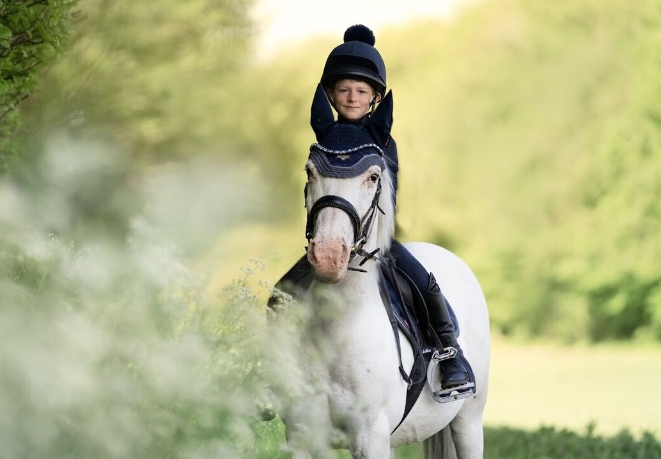
Trail riding is a wonderful way to bond with your horse, explore beautiful landscapes, and enjoy some quality time outdoors. However, the trail can be tough on your horse’s hooves, and proper hoof care is essential to keep them healthy and sound. After a day on the trails, it’s crucial to inspect and care for their hooves to prevent potential problems down the road.
1. Inspecting Your Horse’s Hooves
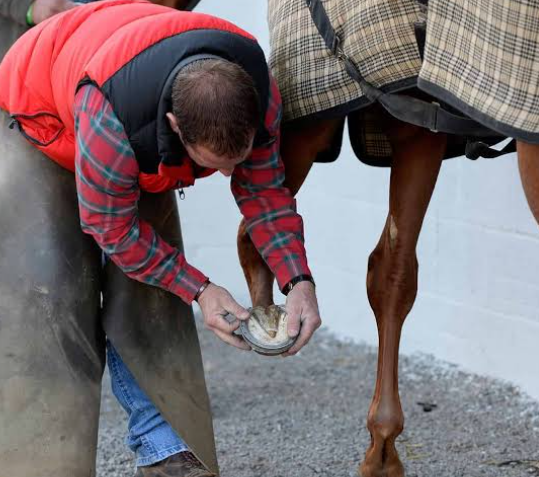
The first step in hoof care after a day of trail riding is to thoroughly inspect your horse’s hooves. After dismounting, find a safe place to lift each hoof and examine it carefully. Look for signs of injury, such as cuts or bruises, as well as foreign objects embedded in the hoof that could cause discomfort or infection.
Pay attention to the overall condition of the hooves. Check for signs of thrush, which can manifest as a foul odor or a black, mushy substance in the grooves of the frog. It’s also important to ensure the hooves are well-trimmed and balanced; overgrown hooves can lead to pain and lameness.
-
- Lift each hoof and inspect for cuts, bruises, or foreign objects.
-
- Check the frog for signs of thrush or other infections.
-
- Look for cracks, splits, or abnormal wear on the hoof wall.
-
- Ensure the hooves are trimmed and balanced correctly.
2. Cleaning and Moisturizing the Hooves
Once you’ve inspected the hooves, the next step is cleaning them thoroughly. Use a hoof pick to remove mud, stones, and debris that may have accumulated during your ride. Cleaning the hooves helps prevent infections and allows you to see any hidden issues that may not have been apparent during your initial inspection.
After cleaning, consider moisturizing the hooves if they seem dry or cracked. Hoof oils or conditioners can help retain moisture and promote healthy hoof growth. Be cautious, though, as too much moisture can lead to soft hooves, which might increase the risk of injury.
-
- Use a hoof pick to remove all debris from the hooves.
-
- Inspect for any signs of infection while cleaning.
-
- If necessary, apply hoof oil or conditioner for moisture.
-
- Avoid over-moisturizing, which can soften hooves excessively.
3. Regular Maintenance and Farrier Care
In addition to the immediate care after a ride, regular maintenance is essential for optimal hoof health. Schedule routine visits from a professional farrier, ideally every 6-8 weeks, to ensure your horse’s hooves are properly trimmed and shod as needed. A good farrier can provide valuable insight into your horse’s hoof condition and recommend special care if any issues are identified.
Also, maintain a consistent hoof care routine by regularly checking the hooves, even when not riding. Keeping a record of your horse’s hoof condition can help you catch problems early and discuss them with your farrier during visits. Consistency is key to preventing hoof problems and ensuring your horse stays sound and comfortable.
-
- Schedule regular visits with a qualified farrier.
-
- Maintain a log of hoof inspections and conditions.
-
- Establish a consistent hoof care routine, even off the trail.
-
- Discuss any changes in hoof condition with your farrier immediately.
4. Recognizing Signs of Hoof Problems
Being able to recognize signs of hoof problems is vital for your horse’s overall health. Common indicators include limping, sensitivity to touch, or excessive heat in the hoof. If your horse is unusually reluctant to move or shifts their weight frequently, it’s essential to assess their hooves and address any issues as soon as possible.
In addition to visual inspections, watch for behavioral changes in your horse. If they show signs of discomfort while eating, standing, or moving, this could indicate underlying hoof pain. Quick action can prevent a minor issue from becoming a serious problem.
-
- Watch for any signs of limping or tenderness.
-
- Check for heat in the hooves; a hot hoof may indicate a problem.
-
- Observe changes in behavior related to standing or moving.
-
- Always consult a veterinarian for persistent or severe signs of pain.
In conclusion, caring for your horse’s hooves after trail riding is a crucial aspect of their ongoing health and performance. Regular inspections, cleaning, and timely visits from a farrier can make a significant difference in maintaining soundness and preventing injury. Don’t hesitate to consult a professional if you notice any unusual conditions or changes in your horse’s behavior. Your attention to hoof care will pay off in a happier, healthier riding experience for both you and your horse.