Laminitis is a serious condition that affects the hooves of horses, causing significant pain and discomfort. Proper hoof care is essential for ensuring the well-being of an affected horse. In this post, we will explore some vital tips for managing laminitis through effective hoof care.
1. Understanding Laminitis
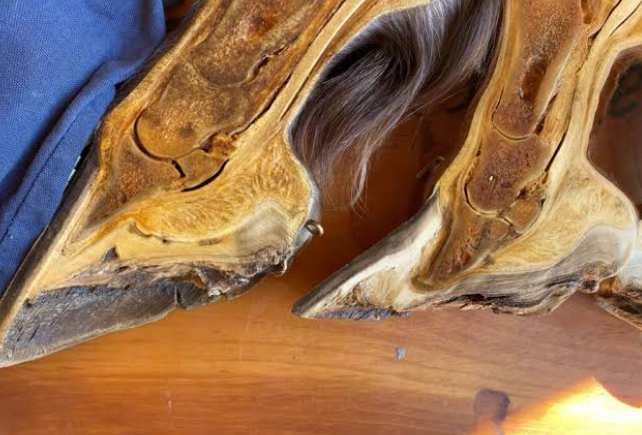
Before diving into specific care tips, it is essential to understand what laminitis is. This condition occurs when the laminae, the tissue that connects the hoof wall to the coffin bone, become inflamed. Commonly associated with factors like diet, metabolic disorders, and excessive exercise, laminitis can lead to severe pain and lameness if not properly managed. Early detection and intervention are crucial for recovery.
Proactive monitoring of a horse’s diet and lifestyle can help prevent laminitis. For example, excessive intake of rich feed or pasture can contribute to this condition. It’s also important to note that certain horses, such as those with Cushing’s disease or insulin resistance, are at a higher risk.
-
- Observe your horse’s behavior regularly for any signs of discomfort.
-
- Consult a veterinarian for advice tailored to your horse’s specific needs.
-
- Limit access to rich pastures, especially for susceptible horses.
-
- Track your horse’s weight and body condition score to avoid obesity.
2. Proper Hoof Trimming and Shoeing
Regular hoof care is essential for horses suffering from laminitis. Proper trimming helps maintain correct hoof alignment and reduces stress on the laminae. A qualified farrier should examine the hooves every 6-8 weeks to ensure the horse’s hoof structure is optimized for comfort and mobility. Poorly trimmed hooves can exacerbate the condition, leading to further complications.
Shoes can also be beneficial in providing support and protection. In certain cases, therapeutic shoes or pads may be recommended by your veterinarian or farrier. These specialized options can alleviate pressure on the laminae, offering critical support while allowing for mobility.
-
- Schedule regular appointments with a knowledgeable farrier.
-
- Consider consulting an equine veterinarian for shoeing recommendations.
-
- Avoid trying to trim hooves yourself unless you are trained.
-
- Observe and report any changes in hoof appearance to your farrier.
3. Appropriate Diet Management
Diet plays a significant role in managing laminitis. High starch and sugar levels in feeds can trigger laminitic episodes, so it’s imperative to choose an appropriate diet. Feed with low sugar and starch content is essential to minimize laminitis risk. Replace high-energy feeds with forage options that provide essential nutrients without the added sugars.
Consider implementing a feeding schedule that promotes gut health while avoiding large meals throughout the day. Consulting with a nutritionist can also guide you in selecting the right supplements and feeds tailored for your horse’s specific needs and conditions.
-
- Choose feeds that are specifically designed for laminitis-prone horses.
-
- Consult a veterinarian for personalized dietary recommendations.
-
- Monitor the sugar and starch content of all feeds and treats.
-
- Implement a slow feeder to regulate intake and promote digestion.
4. Monitoring and Managing Exercise
Exercise is a double-edged sword for horses with laminitis. While some movement is necessary for overall health and circulation, excessive or intense activity can worsen the condition. An exercise regimen should be carefully tailored to the individual horse’s needs and capabilities. Start with short, controlled sessions and gradually increase the intensity as your horse’s condition improves.
Consulting with a veterinarian or equestrian professional can provide you with a structured plan to safely manage exercise. Additionally, observing your horse’s behavior during exercise can give critical insights into their discomfort levels, assisting in crafting the best plan for their recovery.
-
- Limit intense activities and opt for gentle walks instead.
-
- Monitor your horse for signs of discomfort before, during, and after exercise.
-
- Consult a veterinarian for a customized exercise plan.
-
- Consider using soft surfaces for walking to reduce hoof stress.
5. Regular Veterinary Check-ups
Consistency in veterinary care is paramount for horses with laminitis. Regular check-ups can help identify any changes in your horse’s condition and allow for prompt interventions as needed. Your veterinarian should assess the horse’s overall health, conduct blood tests if indicated, and evaluate any dietary adjustments or changes in exercise routine.
Routine check-ups also serve as an opportunity for owners to discuss any emerging concerns, such as changes in behavior, weight, or hoof condition. Open communication with your veterinarian can foster a more effective management strategy for laminitis.
-
- Schedule regular vet appointments to monitor your horse’s health.
-
- Document any changes or concerns to discuss during visits.
-
- Follow your veterinarian’s advice for ongoing management and treatment.
-
- Consider keeping a health log to track your horse’s symptoms.
Managing laminitis requires dedication and attention to your horse’s unique needs. By following these hoof care tips and seeking regular professional advice, you can significantly improve your horse’s quality of life. Remember, the sooner you act and maintain a comprehensive care approach, the better the outcomes for your equine friend.