Laminitis is a serious and often misunderstood condition that affects the hooves of horses and other hoofed animals. Early detection is vital for ensuring your animal’s health and preventing more severe complications. In this post, we’ll explore the early signs of laminitis and what steps you can take to address them.
1. Behavioral Changes
One of the earliest signs of laminitis is a change in your horse’s behavior. If your horse is suddenly less active or exhibits signs of discomfort, it may be time to investigate further. Horses may often shift their weight from one foot to another to relieve pressure, which can be quite telling. Observe how your horse stands both in motion and at rest to catch any unusual behaviors.
In addition to weight shifting, your horse may also show reluctance to walk or may exhibit signs of pain when trotting. For example, they may take shorter strides or walk on their toes, which is a common response to discomfort in the hooves. Monitoring these behavioral changes can help you catch the condition early.
-
- Watch for a weight-shifting stance.
-
- Note any reluctance to move, especially during exercise.
-
- Pay attention to signs of discomfort, such as snorting or head tossing.
-
- Be aware of any changes in your horse’s appetite or interest in activities.
2. Physical Signs
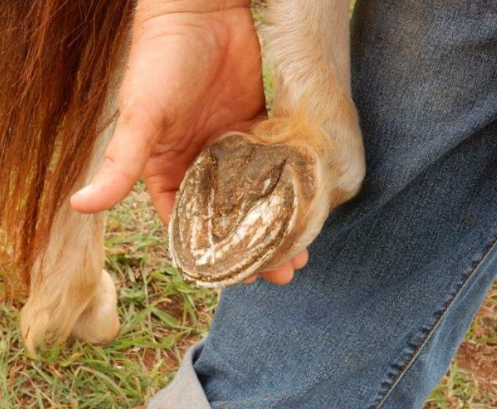
Another key indicator of laminitis is observing physical signs on your horse’s hooves. You may notice heat emanating from the hooves, which is often accompanied by a strong pulse in the digital arteries located near the ankle. These physical signs can sometimes be a clear early warning, making it essential to conduct regular hoof checks.
Other physical manifestations can include a change in the shape of the hoof. In some cases, laminitis can lead to a dished or concave appearance in the hoof wall. Additionally, you might observe cracks or flaws in the hoof structure that weren’t present before. Take the time to check your horse’s hooves thoroughly and regularly for the best chance of early detection.
-
- Feel for excessive heat in the hooves.
-
- Check for a strong pulse in the digital arteries.
-
- Look for irregularities in hoof shape or structure.
-
- Schedule regular hoof care with a professional farrier.
3. Changes in Gait
A horse exhibiting early signs of laminitis may also display changes in gait. You may notice that your horse is moving more stiffly or has an uneven gait. This can indicate that your horse is trying to avoid putting weight on an affected hoof, reflecting discomfort or pain. Keeping a close eye on your horse’s movement during both riding and turnout can help catch these symptoms early.
As laminitis progresses, your horse may show signs of a “rocking horse” gait, lifting its front hooves more than usual to alleviate pain. Additionally, they may be more inclined to turn in circles or step heavier on their hindquarters. If you observe these changes, it’s crucial to consult a veterinarian immediately to assess the situation.
-
- Monitor your horse’s movement during daily activities.
-
- Look for signs of stiffness or uneven movement.
-
- Observe if your horse is lifting its feet excessively when walking.
-
- Take note of any reluctance to carry a rider or engage in usual activities.
4. Digestive Disturbances
Changes in a horse’s digestive health can also be a red flag for laminitis. Horses affected by laminitis may show signs of colic or discomfort, including frequent pawing at the ground or rolling. These symptoms relate to the stress their bodies are under and require immediate attention as they can exacerbate the condition.
Another digestive change might be a sudden drop in appetite or an increase in drinking habits, which can disrupt their usual hydration levels. If you notice these changes alongside other behavioral signs, it’s important to keep a detailed record and reach out to a veterinarian for advice. Identifying these signs promptly can help in managing the condition more effectively.
-
- Monitor changes in appetite or drinking habits.
-
- Look for signs of colic or abdominal discomfort.
-
- Keep a diary of your horse’s feeding habits and any fluctuations.
-
- Consult a veterinarian if digestive disturbances accompany other symptoms.
In conclusion, early recognition of laminitis can significantly impact your horse’s health and comfort. If you observe any signs or changes in behavior, physical appearance, gait, or digestion, it’s crucial to consult a veterinarian immediately. Taking action early can help you and your horse navigate this challenging condition effectively.