
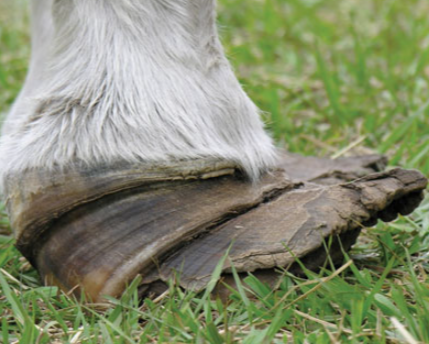
Understanding founder in horses is crucial for any horse owner or enthusiast. Founder, or laminitis, is a painful condition affecting the horse’s hooves, and proper awareness can prevent serious health issues.
1. What is Founder?
Founder, medically known as laminitis, occurs when the sensitive laminae of the hoof become inflamed. This inflammation causes severe pain and can lead to structural changes in the hoof if not treated promptly. Horses experiencing founder may exhibit signs of lameness, reluctance to move, or a characteristic ‘founder stance,’ where they shift their weight onto their hindquarters.
The condition often ties back to dietary issues, overexertion, or other health concerns. Commonly affected horses include overweight ponies, young horses on rich pasture, or horses recovering from a high-grain diet. Understanding these triggers is essential in preventing the onset of founder.
-
- Monitor your horse’s weight regularly.
-
- Limit rich green pasture access.
-
- Provide a balanced diet tailored to your horse’s needs.
-
- Avoid sudden changes in feeding routines.
2. Symptoms of Founder
Identifying the symptoms of founder early can make a significant difference in treatment and recovery. Common signs include a strong digital pulse, increased sensitivity in the hooves, and a refusal to bear weight on the affected legs. In severe cases, you may observe an abnormal hoof shape, indicative of changes in the underlying bone structure.
Other behaviors that may signal founder include frequent shifting of weight, excessive sweating, and unusual postures. It’s critical to pay attention to your horse’s regular behavior, as any sudden changes could be indicative of distress or discomfort.
-
- Check for digital pulses; they should be strong but not bounding.
-
- Look for abnormal hoof shapes or separation of the hoof wall.
-
- Observe your horse’s movements for signs of lameness.
-
- Monitor for increased sweating or heightened anxiety levels.
3. Causes and Risk Factors
Several factors can contribute to the onset of founder. One significant cause is excessive carbohydrate intake, which can lead to metabolic issues resulting in laminitis. Additionally, obesity is a notable risk factor; overweight horses are more susceptible due to the increased stress on their hooves.
Other triggers may include prolonged stall rest, certain medications, and systemic diseases like Cushing’s syndrome or equine metabolic syndrome. Understanding these causes helps horse owners take preventive measures such as adjusting diets and managing the horse’s environment effectively.
-
- Consult with a veterinarian for personalized dietary recommendations.
-
- Regularly exercise your horse to maintain a healthy weight.
-
- Avoid sudden dietary changes; introduce new feeds gradually.
-
- Keep an eye on existing health issues and manage them proactively.
4. Treatment and Management
If you suspect your horse has founder, seeking veterinary help immediately is critical. Treatment often involves anti-inflammatory medications, dietary changes, and possibly hoof support with specialized shoes. Your vet may also recommend more frequent hoof trimming to maintain proper balance.
In addition, managing your horse’s environment can help alleviate symptoms. This might include providing softer footing, limiting movement initially, and ensuring a stress-free atmosphere. Horses often respond well to consistent care and attention, which aids in recovery.
-
- Follow your veterinarian’s treatment plan closely.
-
- Consider hoof pads or therapeutic shoes if recommended.
-
- Ensure your horse has regular hoof care from a farrier.
-
- Limit movement during the initial stages of recovery.
5. Prevention Strategies
Preventing founder is far more effective than treating it after the fact. Consistent management of your horse’s diet and exercise routine can significantly reduce the risk. Regular health check-ups with a vet can help catch early signs of metabolic disorders that may lead to laminitis.
Additionally, educating yourself about safe feeding practices and being aware of your horse’s needs, especially during seasonal changes, can prevent founder. Keeping horses away from lush pastures during spring and ensuring proper hydration can also be essential in prevention.
-
- Implement a weight management program; consult experts if needed.
-
- Limit access to lush grass during high-risk seasons.
-
- Provide plenty of clean, fresh water at all times.
-
- Schedule regular veterinary check-ups to monitor hoof health.
In conclusion, understanding founder in horses is vital for their well-being. By being knowledgeable about symptoms, causes, and prevention strategies, you can ensure a long, healthy life for your equine friends. Don’t hesitate to consult a veterinarian for personalized guidance and care when it comes to your horse’s health.