
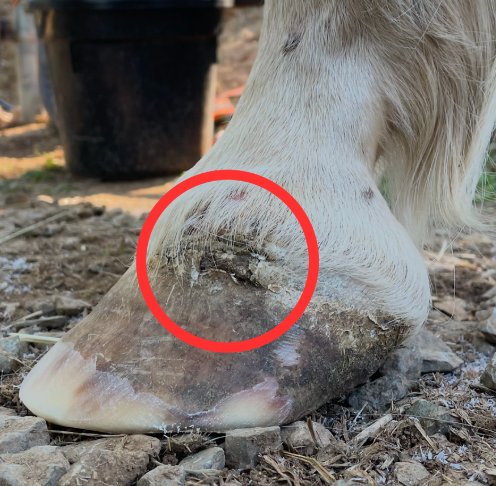
Hoof abscesses are a common and painful condition affecting horses, often resulting from trauma or infection. Understanding this condition is crucial for horse owners and caretakers, as timely intervention can lead to effective treatment and recovery.
1. What is a Hoof Abscess?
A hoof abscess is a localized infection within the hoof that results in a buildup of pus. This occurs when bacteria infiltrate the hoof through a small crack or injury, causing inflammation and pain. It’s important to recognize that abscesses can develop in any part of the hoof, but they are most commonly found in the sole, hoof wall, or the area around the frog. Symptoms of a hoof abscess typically include lameness, sensitivity to hoof pressure, and swelling.
Understanding how hoof abscesses develop can help in prevention. They often stem from environmental factors, such as wet, muddy conditions that soften the hoof and make it more susceptible to injury. Additionally, poor trimming and shoeing practices can create stress points in the hoof, increasing the risk of cracks and abscesses. Identifying these risk factors can help reduce occurrences.
-
- Monitor for signs of lameness or sensitivity in your horse.
-
- Regularly inspect hooves for cracks, chips, or injuries.
-
- Maintain a clean and dry environment to minimize risk.
-
- Ensure proper hoof care through regular trimming and shoeing.
2. Symptoms and Diagnosis of Hoof Abscess
Recognizing the signs of a hoof abscess early can significantly impact the treatment outcome. Common symptoms include sudden lameness, localized heat in the hoof, and a characteristic “bounding” pulse in the digital arteries. Affected horses may also react strongly when their hooves are poulticed or compressed, indicating pain. Observing unusual behaviors such as reluctance to move, or standing on three legs can also be an indication of an underlying issue.
Diagnosing a hoof abscess typically involves a thorough examination by a veterinarian or a certified farrier. They will look for swelling, heat, or discharge, and can perform a hoof test to pinpoint the exact location of the pain. In some cases, radiographs may be needed to rule out more severe conditions like fractures or laminitis. Early diagnosis not only alleviates pain but also helps prevent further complications.
-
- Monitor your horse for lameness and discomfort.
-
- Inspect hooves regularly for signs of heat and swelling.
-
- Consult a vet if symptoms persist beyond 24 hours.
-
- Keep a record of any behavioral changes in your horse.
3. Treatment and Management of Hoof Abscess
Once diagnosed, the treatment for a hoof abscess usually focuses on draining the pus and alleviating pain. The vet may carefully pare away the affected area of the hoof to allow for drainage. In some cases, the use of poultices may be recommended to bring the abscess to a head, facilitating natural drainage. After drainage, it’s crucial to keep the hoof clean and dry to avoid reinfection.
Management following treatment is just as important. Make sure your horse is on a soft surface to rest the affected hoof and monitor for any signs of secondary infections. Depending on the severity of the abscess, your vet may prescribe anti-inflammatories to reduce pain and swelling. It’s essential to establish a follow-up routine to ensure your horse heals properly.
-
- Follow your vet’s instructions for drainage and care.
-
- Use a clean and dry bandage to protect the hoof.
-
- Monitor hoof condition regularly during the healing process.
-
- Restrict movement as necessary to aid recovery.
4. Prevention of Hoof Abscess
Preventing hoof abscesses is often more effective than dealing with them after they occur. Good hoof hygiene plays a significant role in prevention. Regular hoof cleaning helps to remove debris and bacteria that can lead to infection. Additionally, maintaining a balanced diet supports overall hoof health, which can make the hooves stronger and less susceptible to injury or infection.
Another essential aspect of prevention is to routinely consult a farrier for proper trimming and shoeing. Poor hoof care can lead to issues such as cracks and imbalances, providing entry points for bacteria. Creating a clean, dry living environment also minimizes the horse’s exposure to conditions that favor the development of abscesses.
-
- Implement a regular hoof cleaning routine.
-
- Consult your farrier regularly for proper trimming.
-
- Provide a balanced diet that supports hoof growth.
-
- Avoid letting horses stand in muddy or wet areas.
Hoof abscesses can be a painful condition for horses, but early recognition and effective management can lead to swift recovery. Regular hoof maintenance, a clean environment, and attention to your horse’s behavior will help in prevention. If you suspect your horse may have a hoof abscess, consult with a veterinary professional for an accurate diagnosis and treatment plan.